Valencia 3 Days Itinerary: Best Things to Do, Eat, and See
Plan the perfect 3 days in Valencia — historic markets, street art, beachside paella, and futuristic architecture, all in one easy itinerary.
Itinerary Snapshot
- 1Day
Historic Markets & Street Art
Explore the heart of old Valencia, including its iconic market, historic landmarks, and the vibrant El Carmen neighborhood
- 2Day
Churches, Beaches & Authentic Paella
Discover stunning religious architecture, unwind on Valencia’s beautiful coastline, and indulge in the city’s most famous dish
- 3Day
Futuristic Architecture & Party Vibes
Immerse yourself in the architectural wonders of the City of Arts and Sciences before enjoying a vibrant evening at Ruzafa
Street Art, Paella, and Coastal Sun
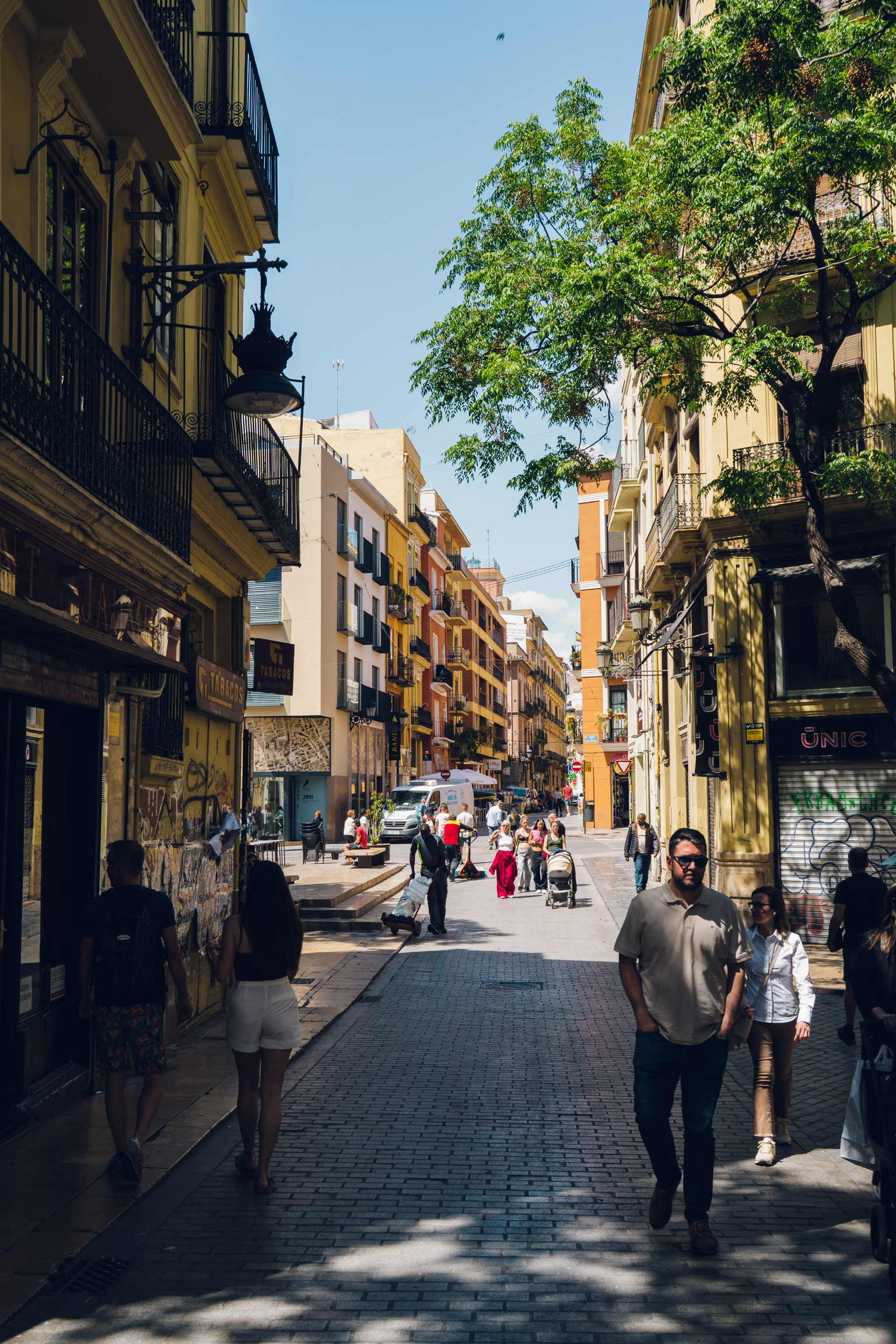
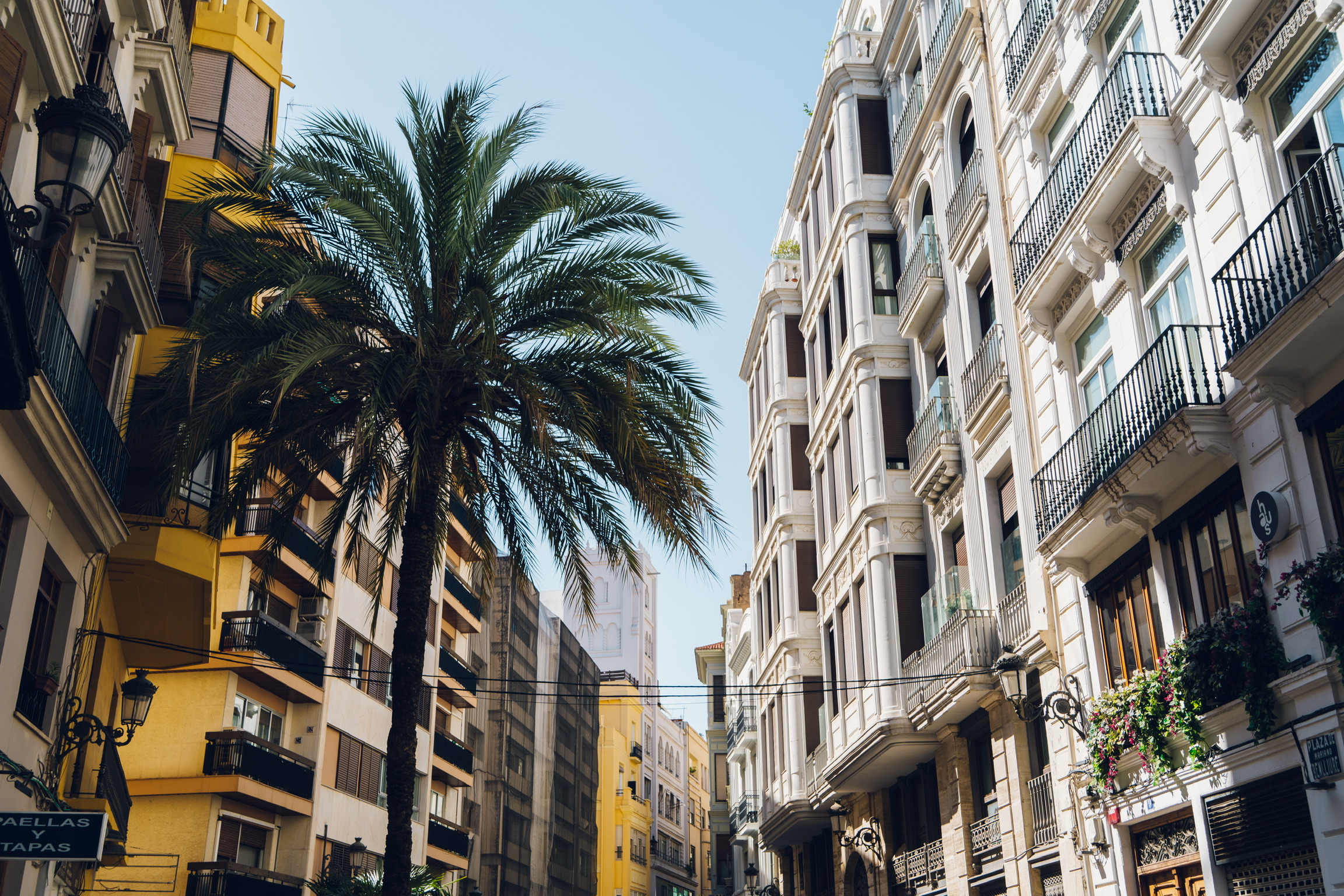
Valencia hits the sweet spot. It has all the energy of a major city without the chaos, a strong sense of culture without being overly touristic, and plenty of unique local flavors, both literally and figuratively. This Valencia itinerary and things to do guide captures the highlights we loved most, from wandering through colorful neighborhoods and discovering street art around every corner to eating our way through traditional markets and hidden pizza bars.
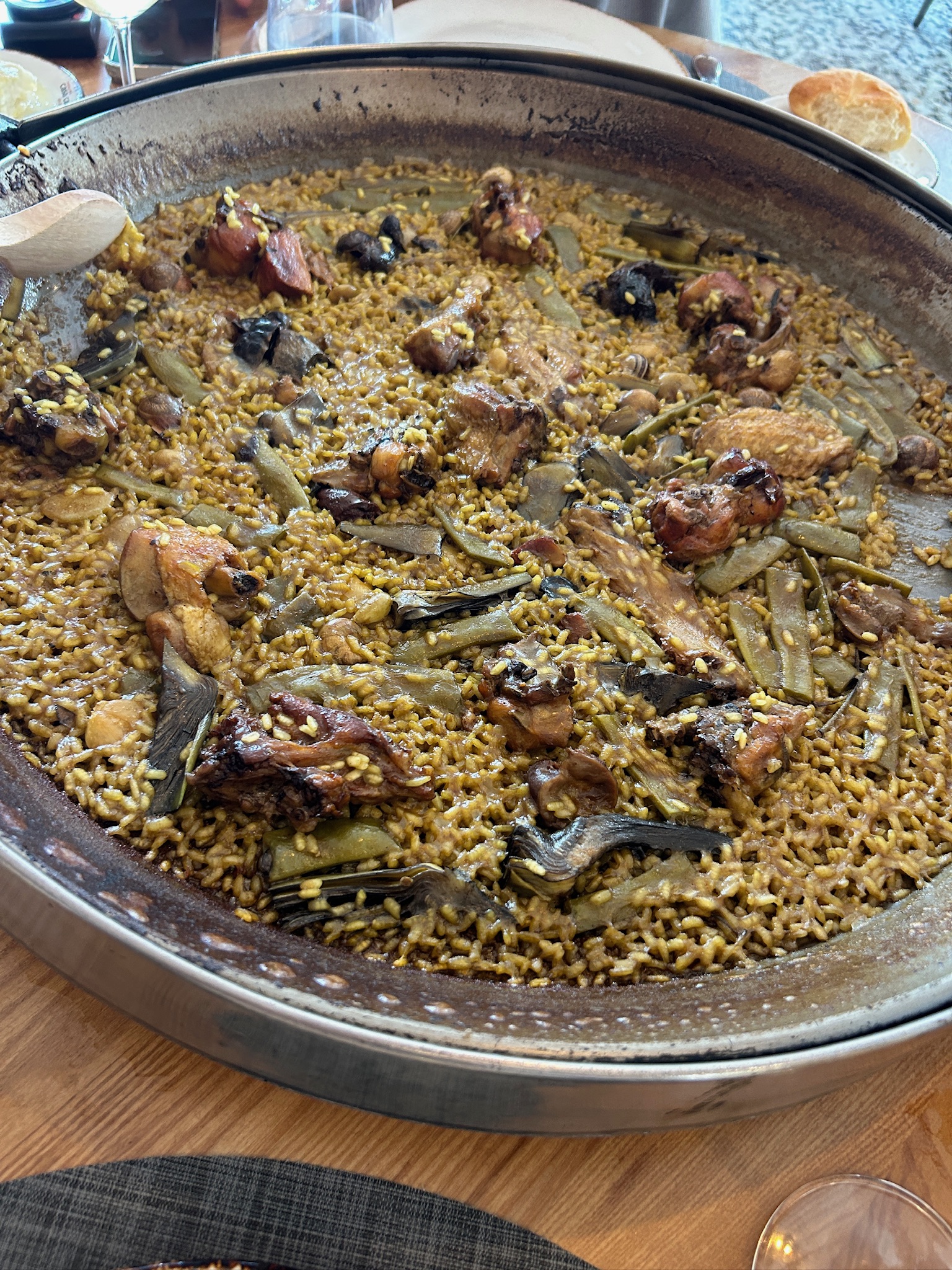
One vivid memory that stands out is trying the traditional Paella Valenciana made with rabbit and snails. Cooked over orange wood fires by the beach, it’s bold, flavorful, and deeply local. For the adventurous traveler, it’s a must-try.
Planning a broader trip along the coast? We connected Valencia with Tarragona and Barcelona via train – check out our full trip report for the logistics & our 2-Day Tarragona Itinerary:
Stay tuned for more trip reports, reviews, and tips by following us on Instagram!
Best Time to Visit Valencia
Valencia enjoys a Mediterranean climate, making it a pleasant destination year-round. The ideal times to visit are during spring (April to June) and fall (September to October). During these months, the weather is comfortably warm, perfect for sightseeing, and the city experiences fewer crowds compared to the peak summer season. Summer (July and August) can be very hot, while winter (November to March) are mild and generally sunny.
Getting to Valencia
By Air: Valencia Airport (VLC) is well-connected to major European cities. Travelers from further afield may find direct flights less common and might connect through larger Spanish hubs like Madrid or Barcelona.
By Train: Spain’s high-speed rail network (AVE) connects Valencia to Madrid in approximately 1 hour 40 minutes and Barcelona in about 3 hours. This is a convenient and scenic option for inter-city travel.
Getting Around Valencia
Valencia is a highly walkable city, especially its historic center. For longer distances, an efficient public transportation system is available:
Walking: Many of Valencia’s main attractions are clustered together, making walking an enjoyable way to explore.
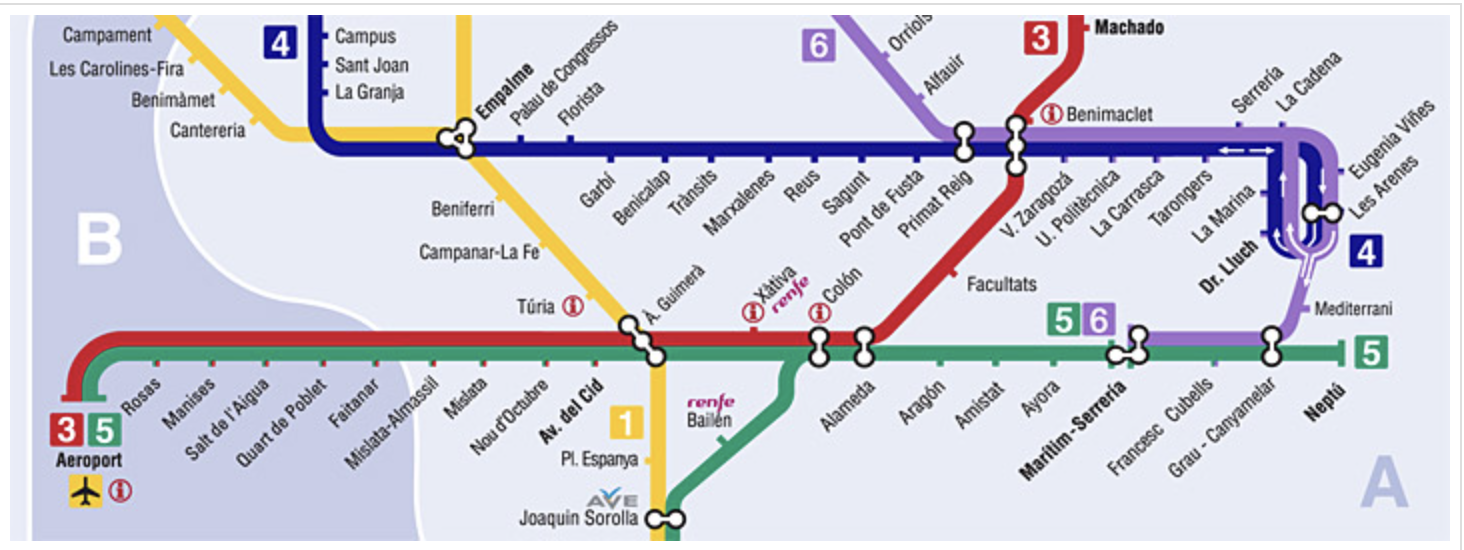
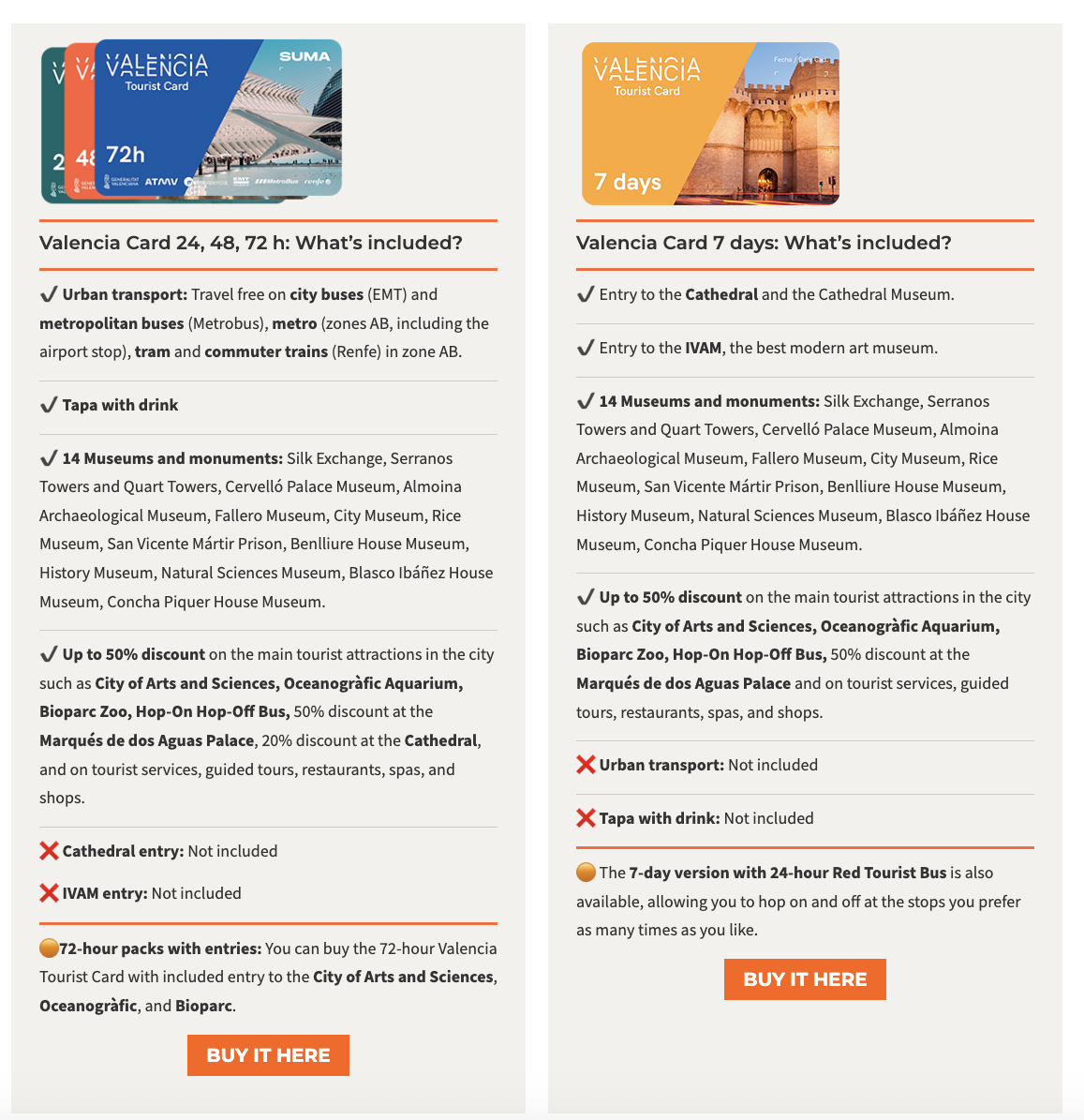
Public Transport: The city boasts an extensive network of buses, trams, and a metro system. Tickets can be purchased at metro stations or on buses. Consider the Valencia Tourist Card for unlimited travel and discounts on attractions.
Cycling: Valencia is very bike-friendly, with numerous bike lanes, particularly along the Turia Garden. Bicycle rentals are widely available, and the public bike-sharing service, Valenbisi, offers an easy way to get around.
Taxis & Ride-Shares: Taxis are readily available and affordable. Ride-sharing services like Uber also operate in the city.
Accommodation
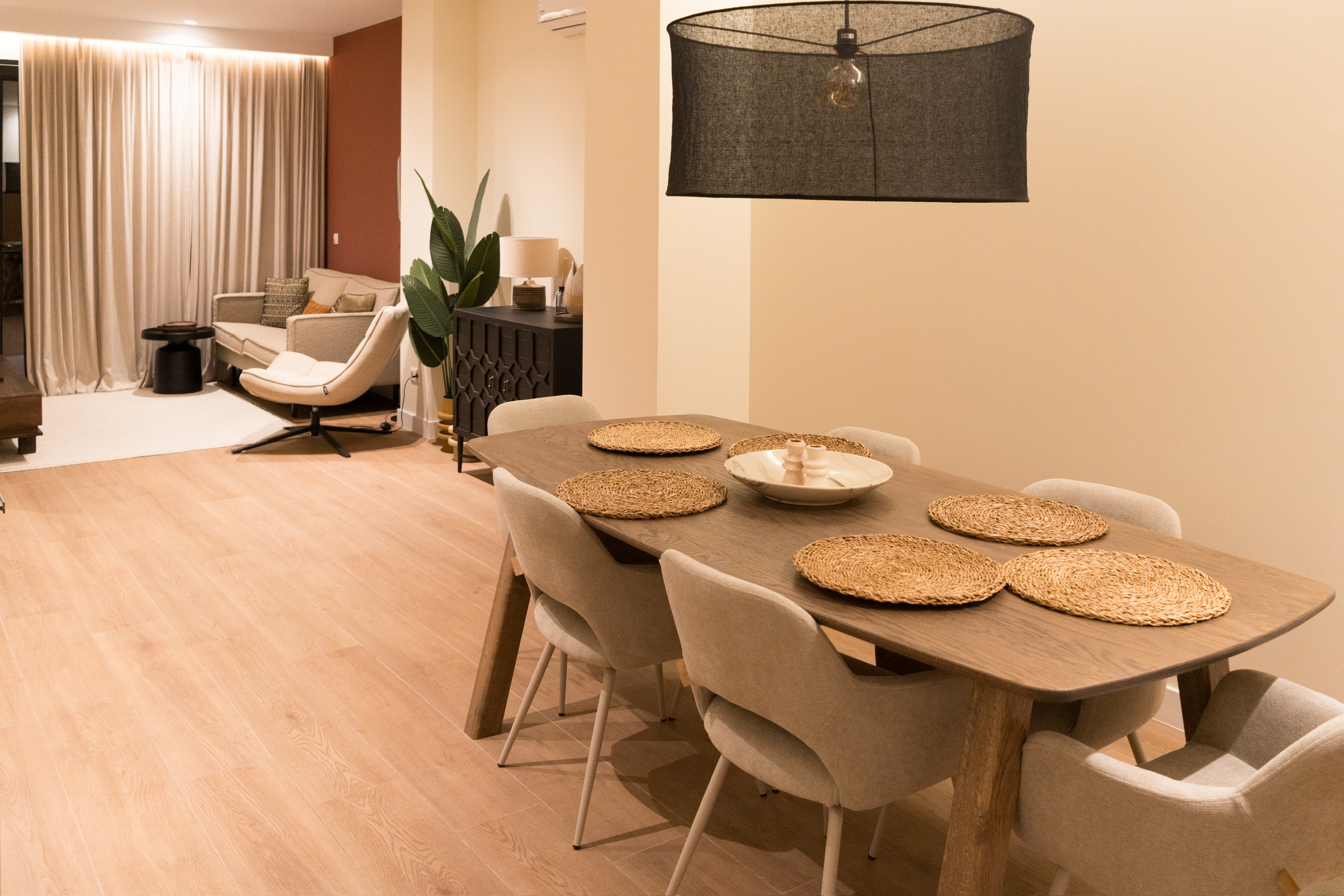
Valencia skews toward independent hotels, with a smaller footprint of global chains. Among international loyalty programs, Marriott has the most visible presence in the city. For groups of three or more, Airbnb often delivers the best quality and affordability.
Pro Tip: Look for newer Airbnb listings with at least 10 reviews averaging close to 5 stars. Hosts often price aggressively to build momentum, which can mean excellent value. On a recent stay, a modern Airbnb with a patio came to $177.67 per person for four nights and was ideal for relaxing after busy days.
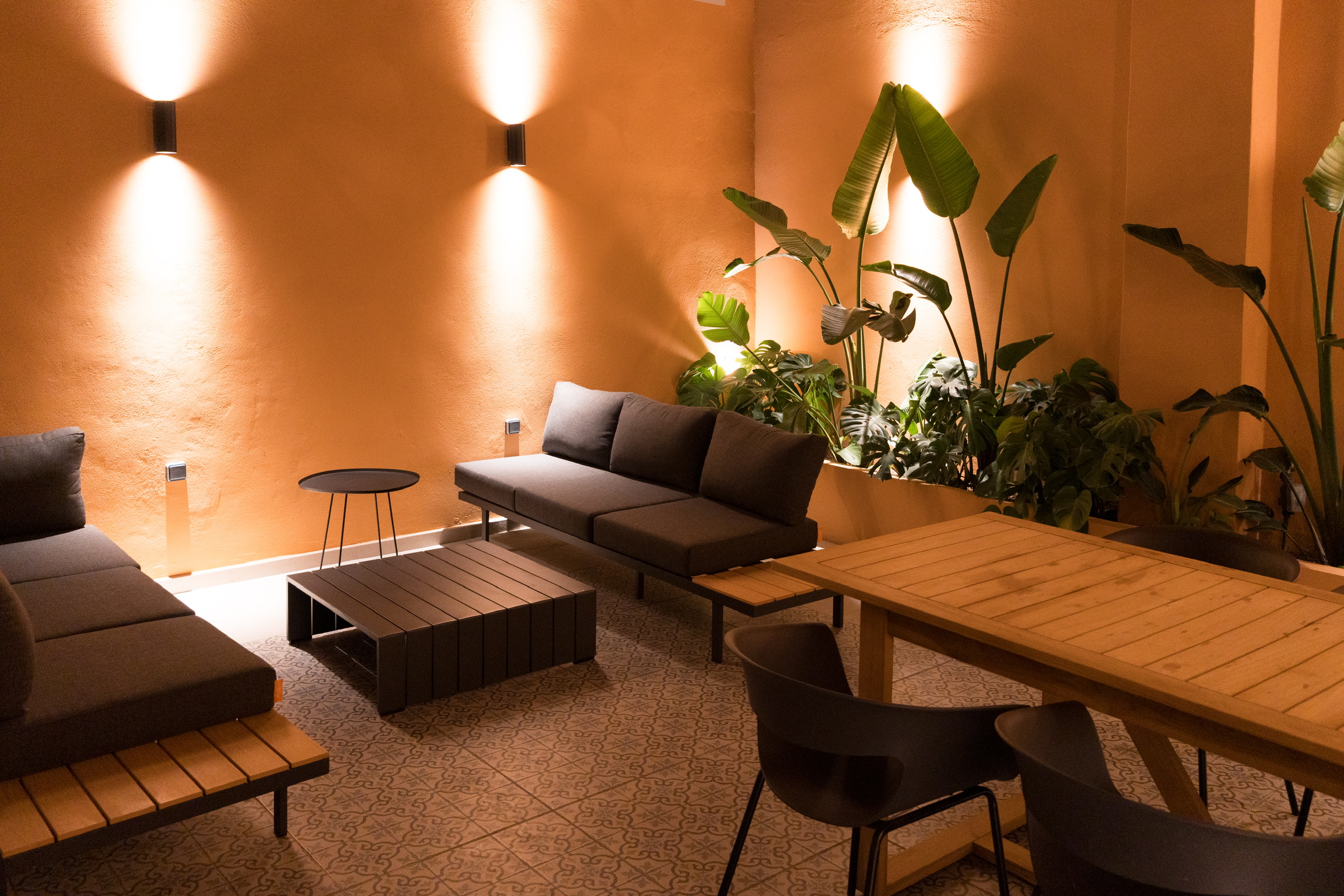
Best area to stay: Do not overthink the exact neighborhood. Staying in or around the Old Town is the easiest choice for most itineraries. Choose El Cabanyal or Malvarrosa if there’s a strong emphasis on wanting to be near the beach, or near the City of Arts and Sciences for quick access to the complex and Jardí del Túria.
Valencia Tourist Card
The Valencia Tourist Card is a nice-to-have, not a must-have. It shines if the plan centers on museum-hopping and daily metro or bus rides, where a 48 or 72-hour pass can genuinely earn its keep. If the headline stops are Oceanogràfic and the City of Arts and Sciences, the value will feel underwhelming since coverage is partial. For most value-minded travelers, individual attraction tickets plus pay-as-you-go transit is the smarter buy. Check the official page for current inclusions and pricing before deciding.
Day 1 – Historic Markets, Old Town Charm, and Vibrant Street Art
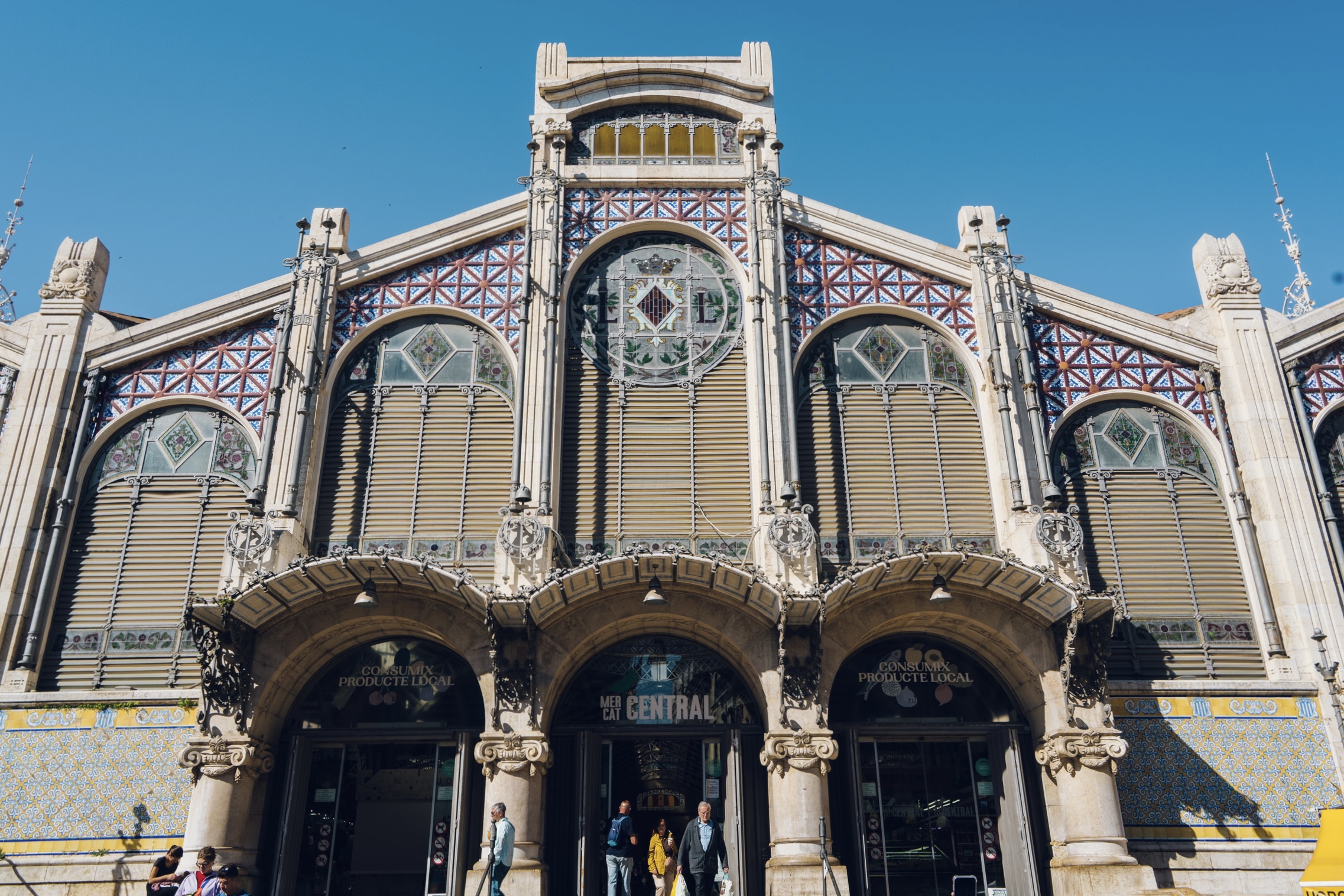
Mercado Central de Valencia (Central Market of Valencia)
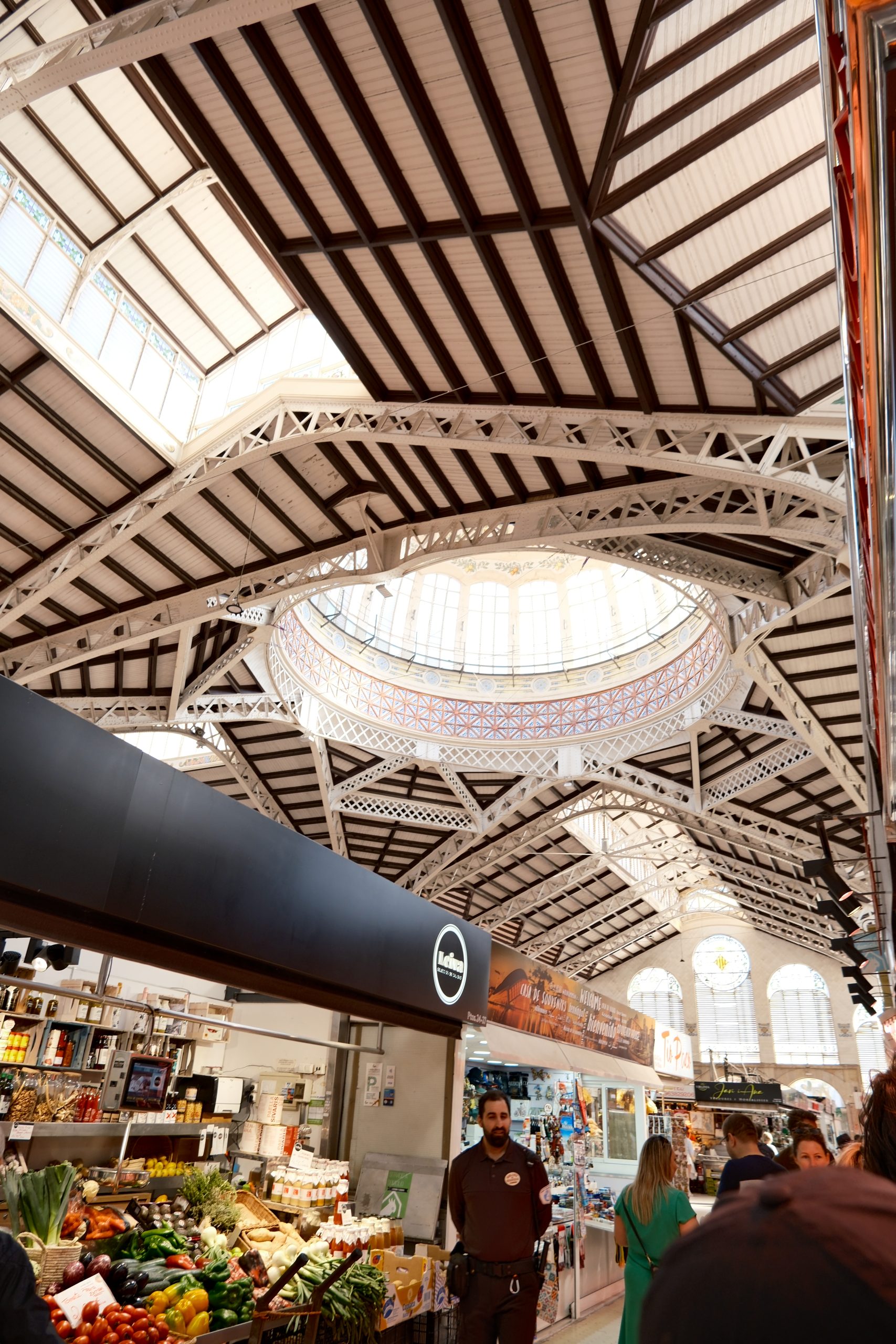
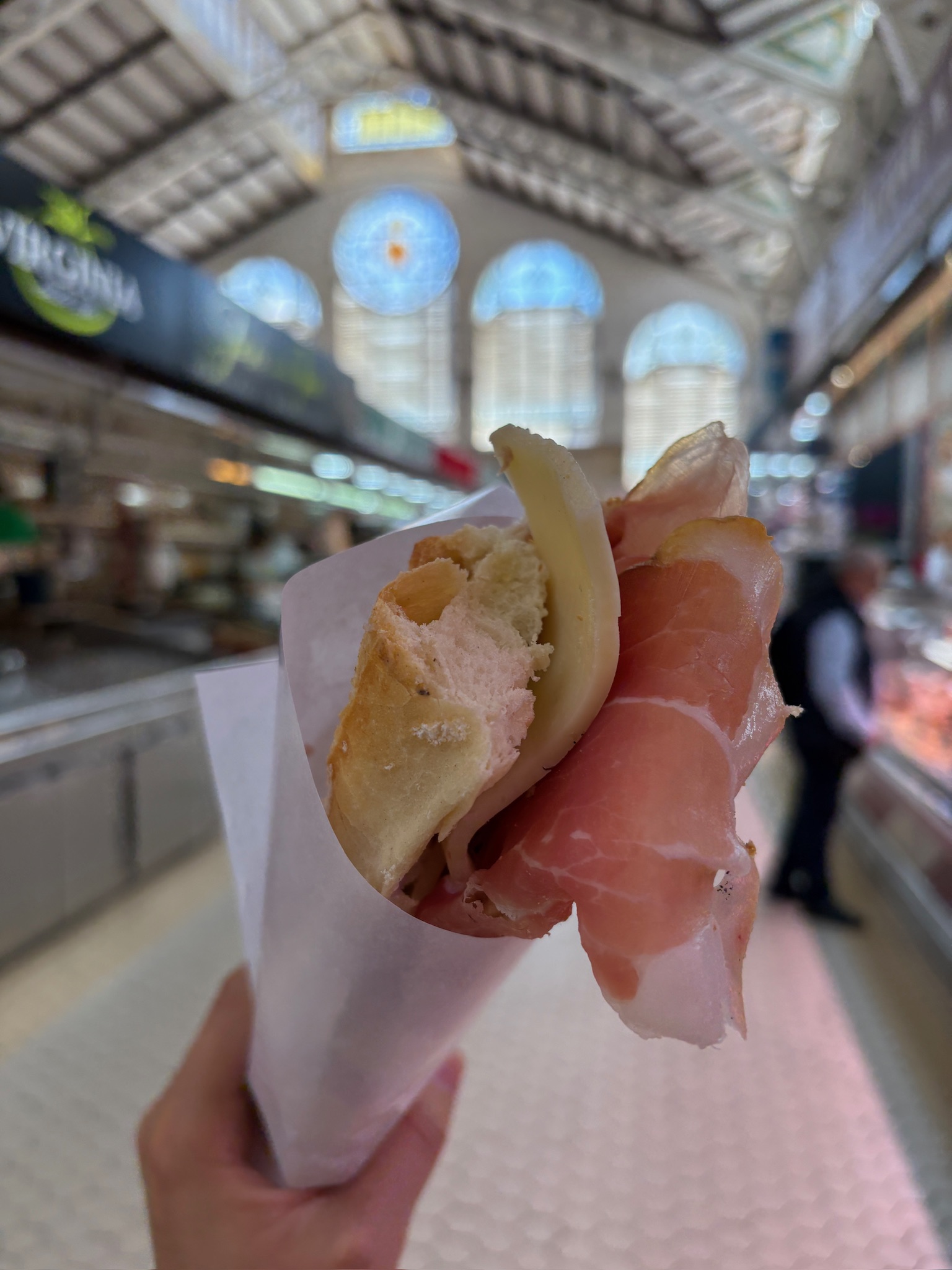
Begin the day at one of Europe’s largest and oldest operating food markets, housed in a stunning Modernista building. Enjoy a jamón serrano bocadillo and wander the food stalls. The building itself is stunning, and there are endless options to snack or stock up for later. Open Monday –Saturday 7:30 am to 3:00 pm.
La Lonja (The Silk Exchange)
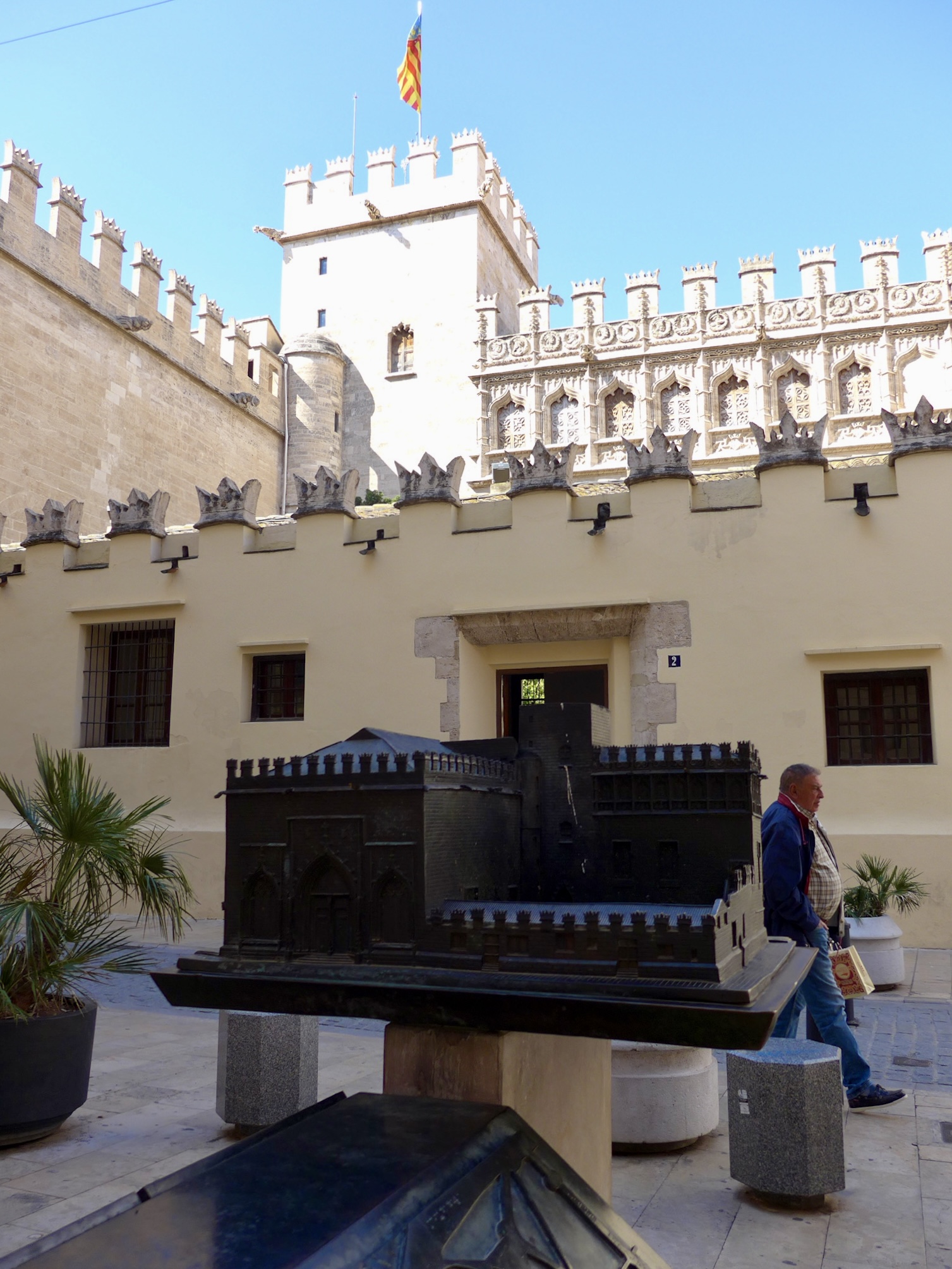
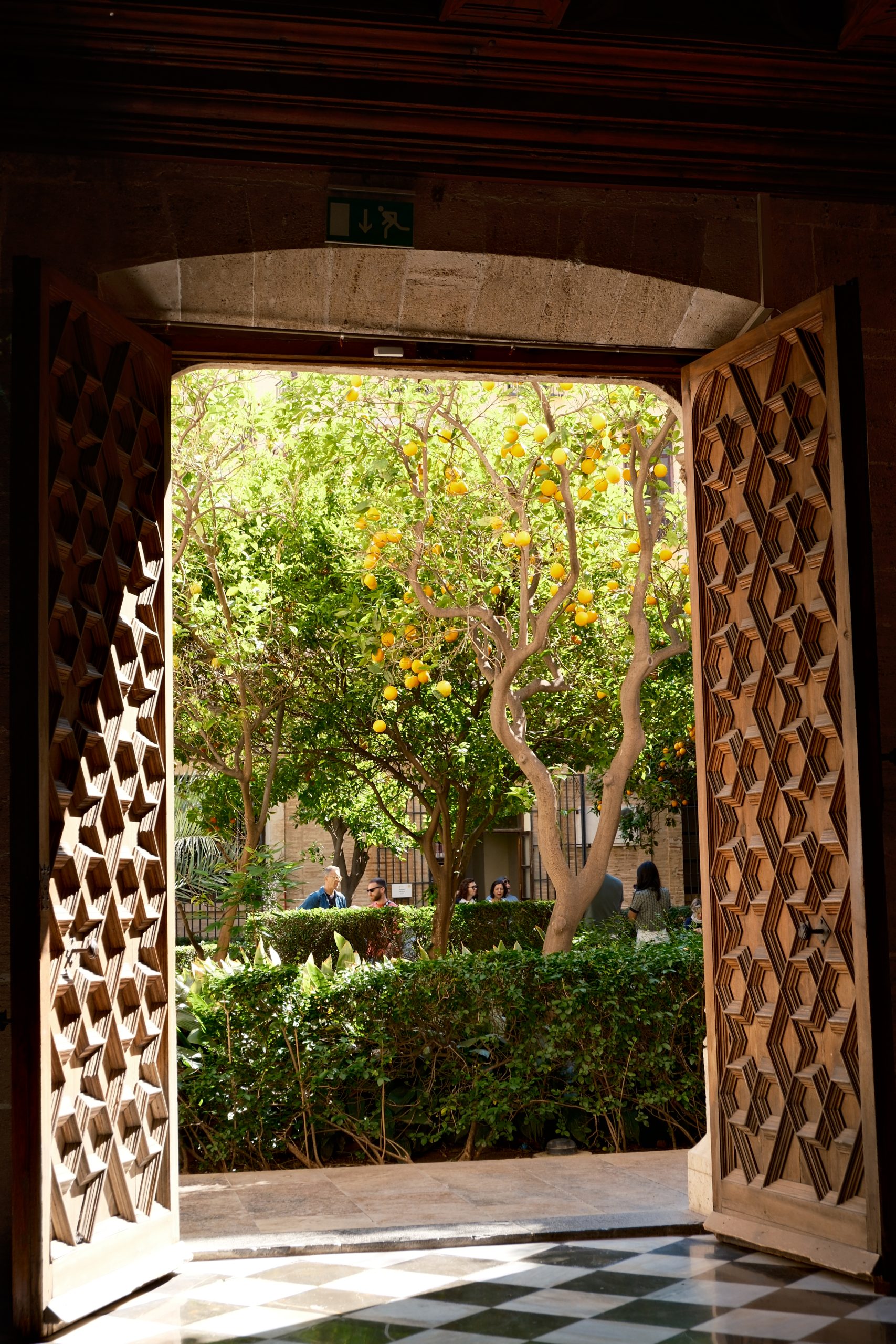
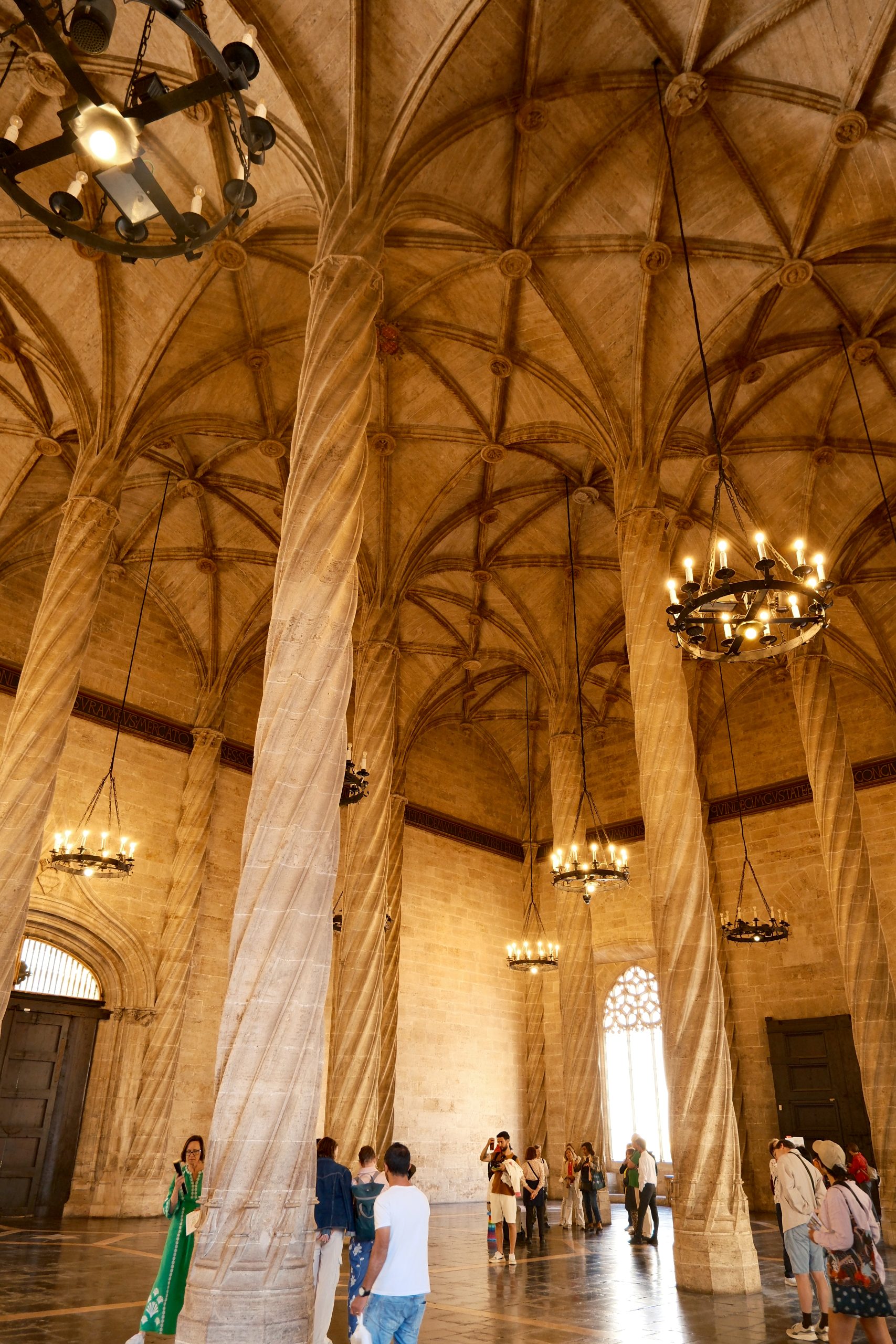
A short walk from the Central Market, this UNESCO World Heritage site is a masterpiece of Valencian Gothic architecture. It served as a major center for silk trading in the 15th and 16th centuries.

El Carmen Neighborhood
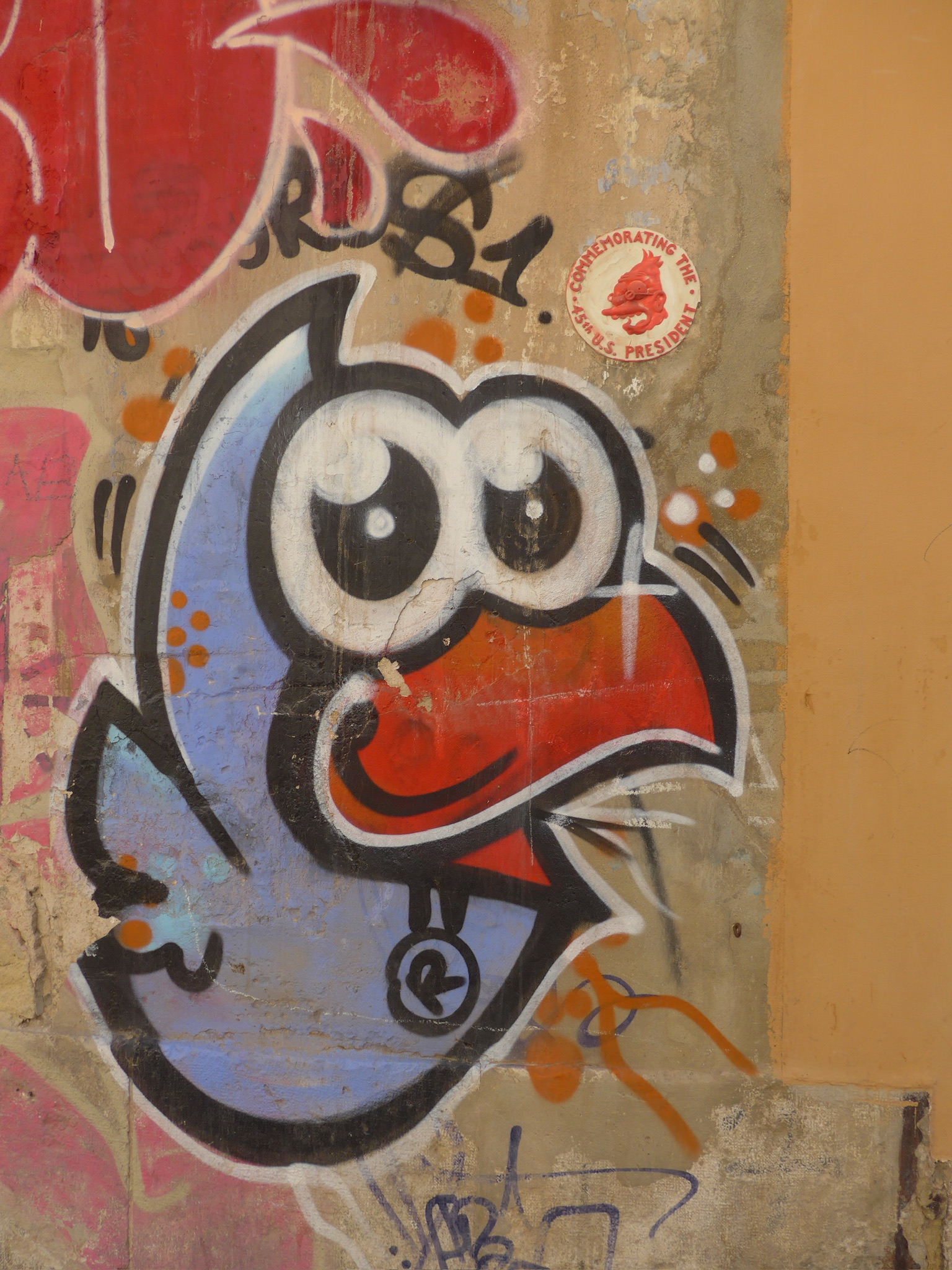
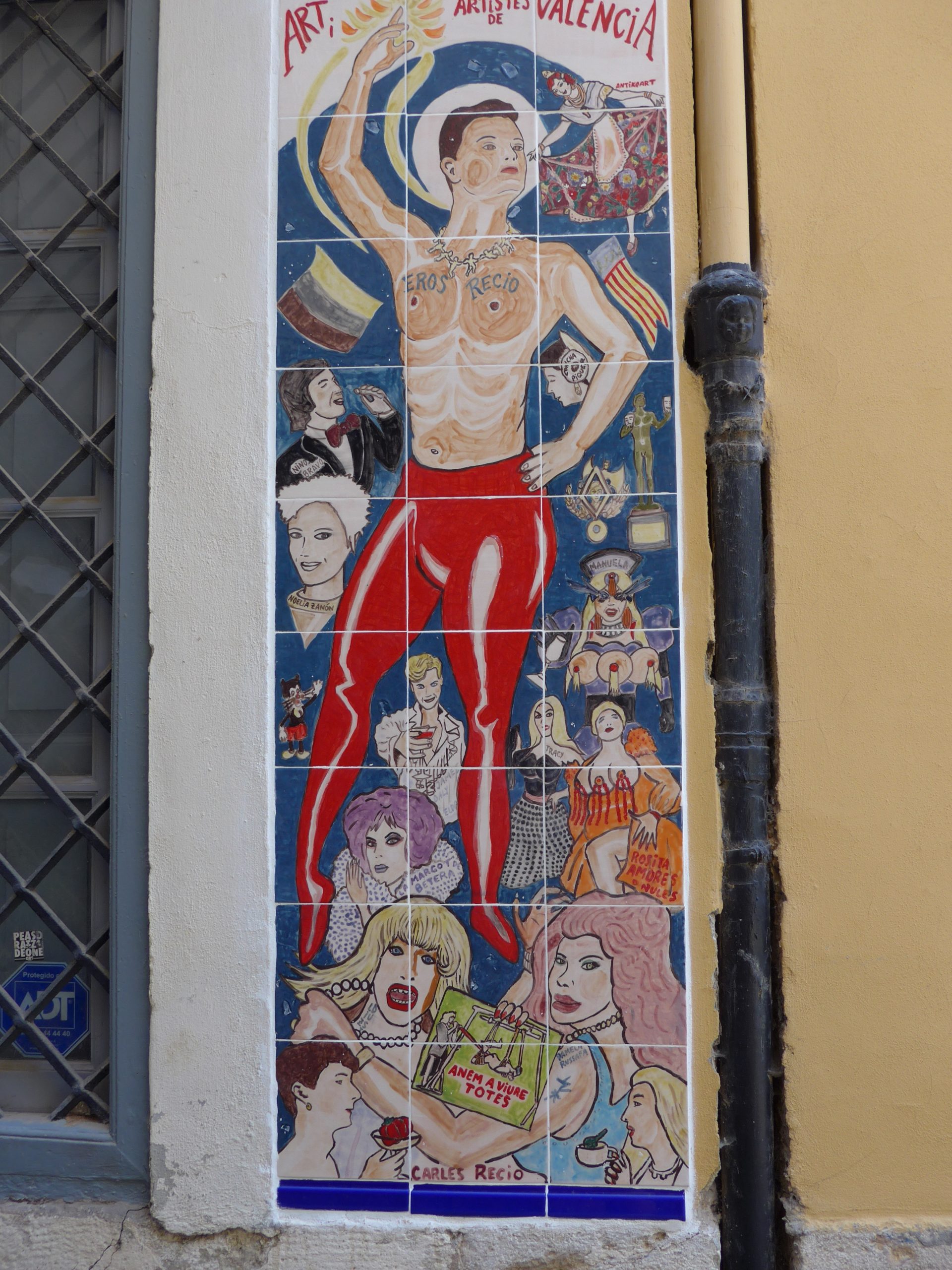
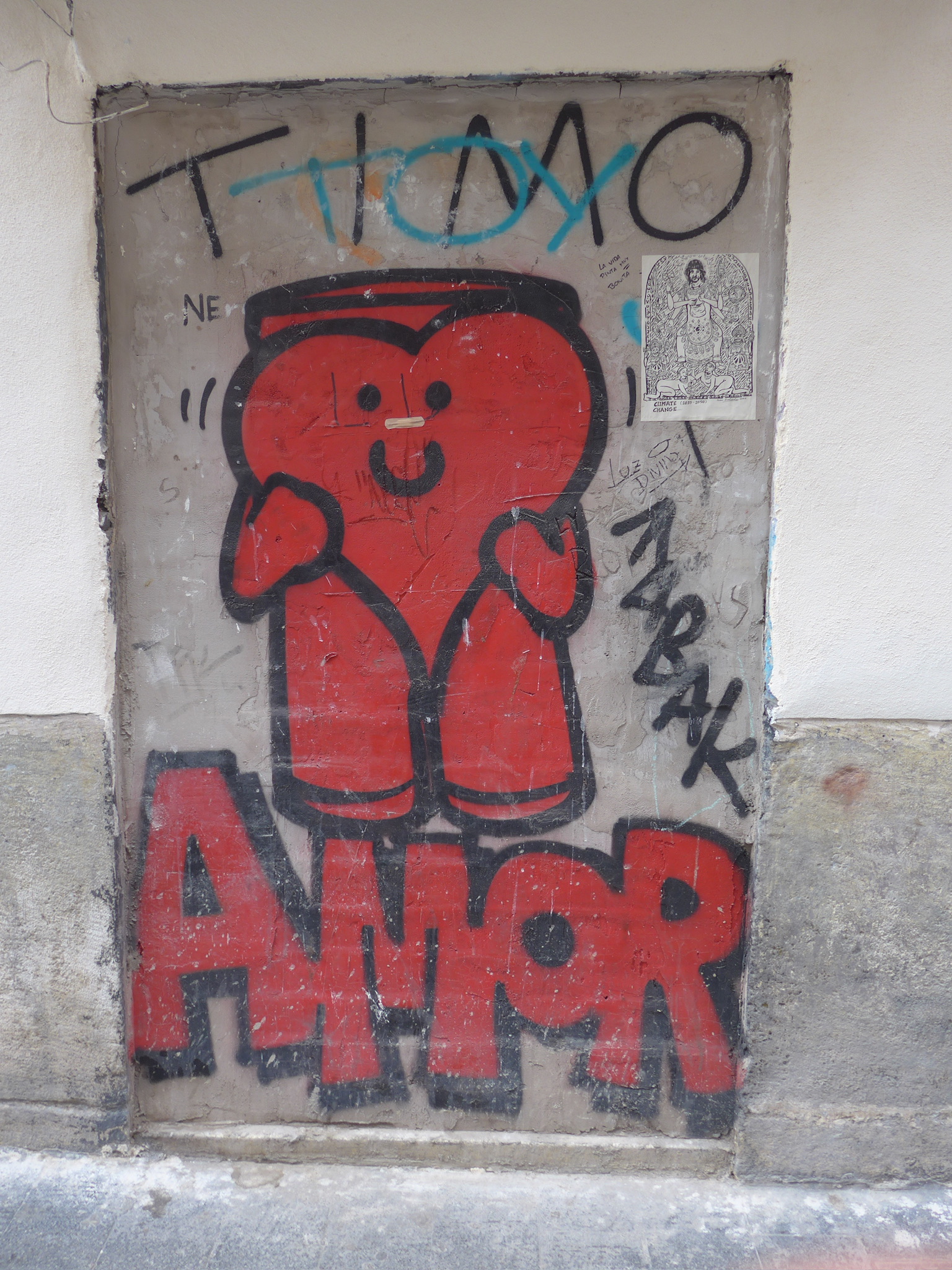
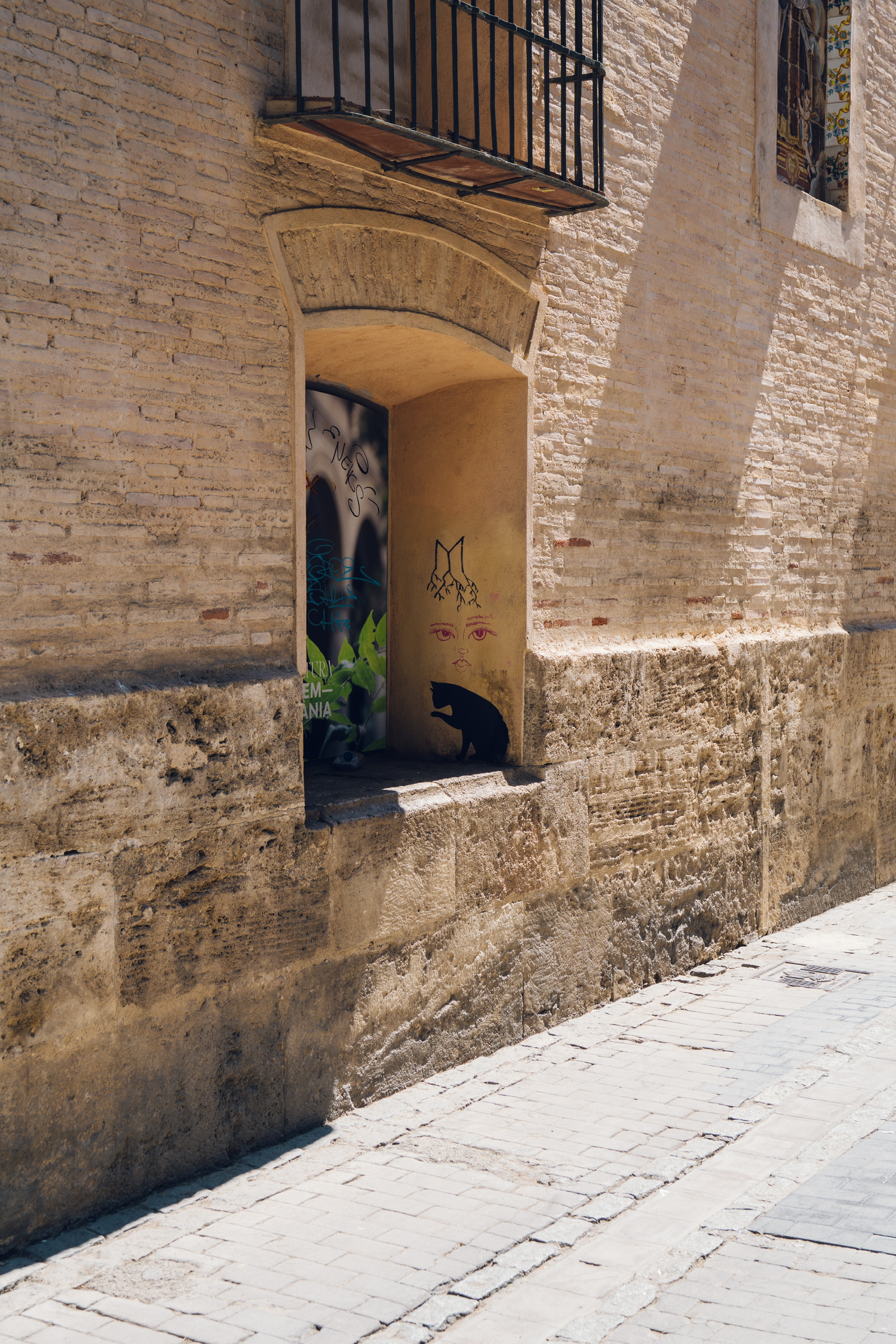
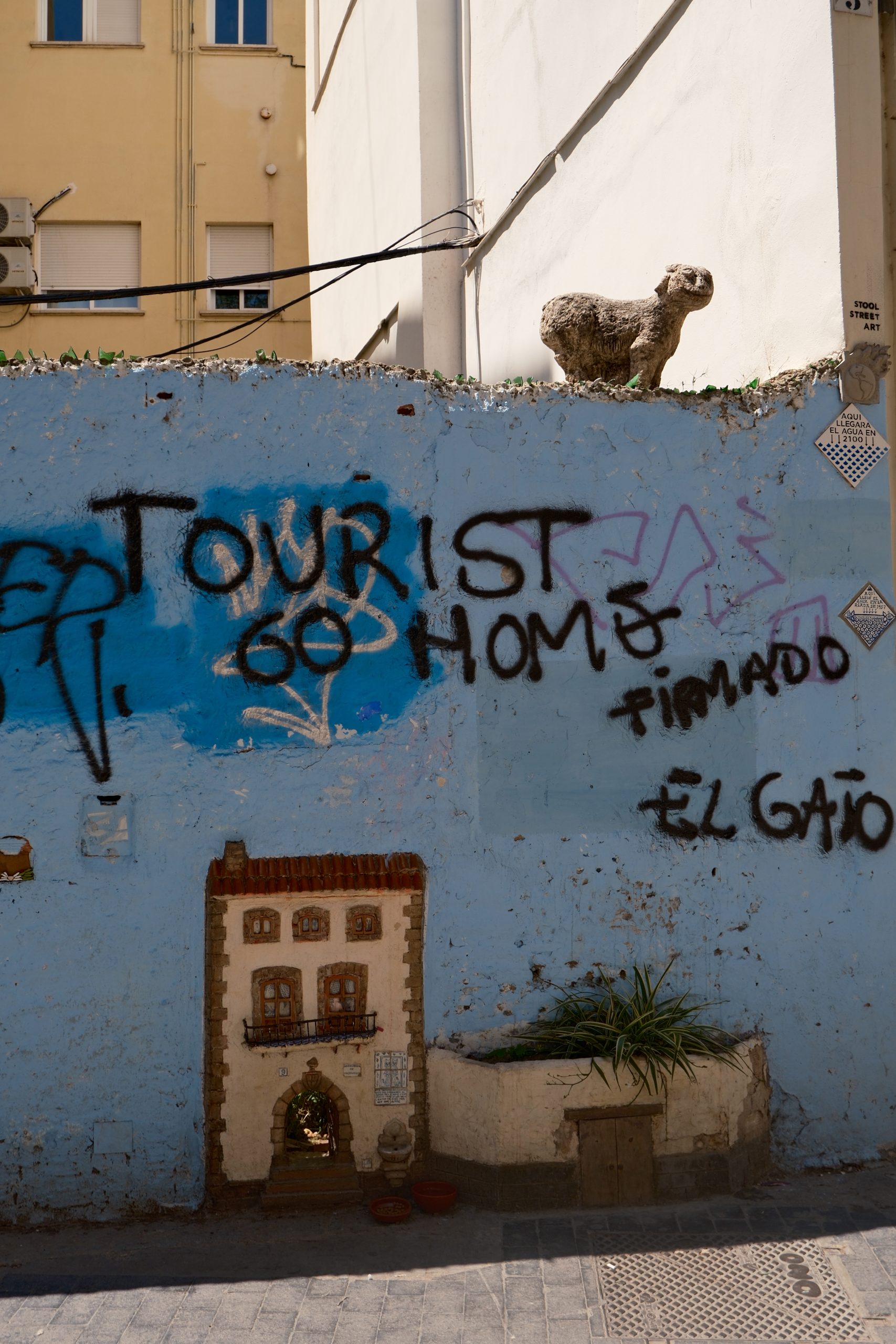
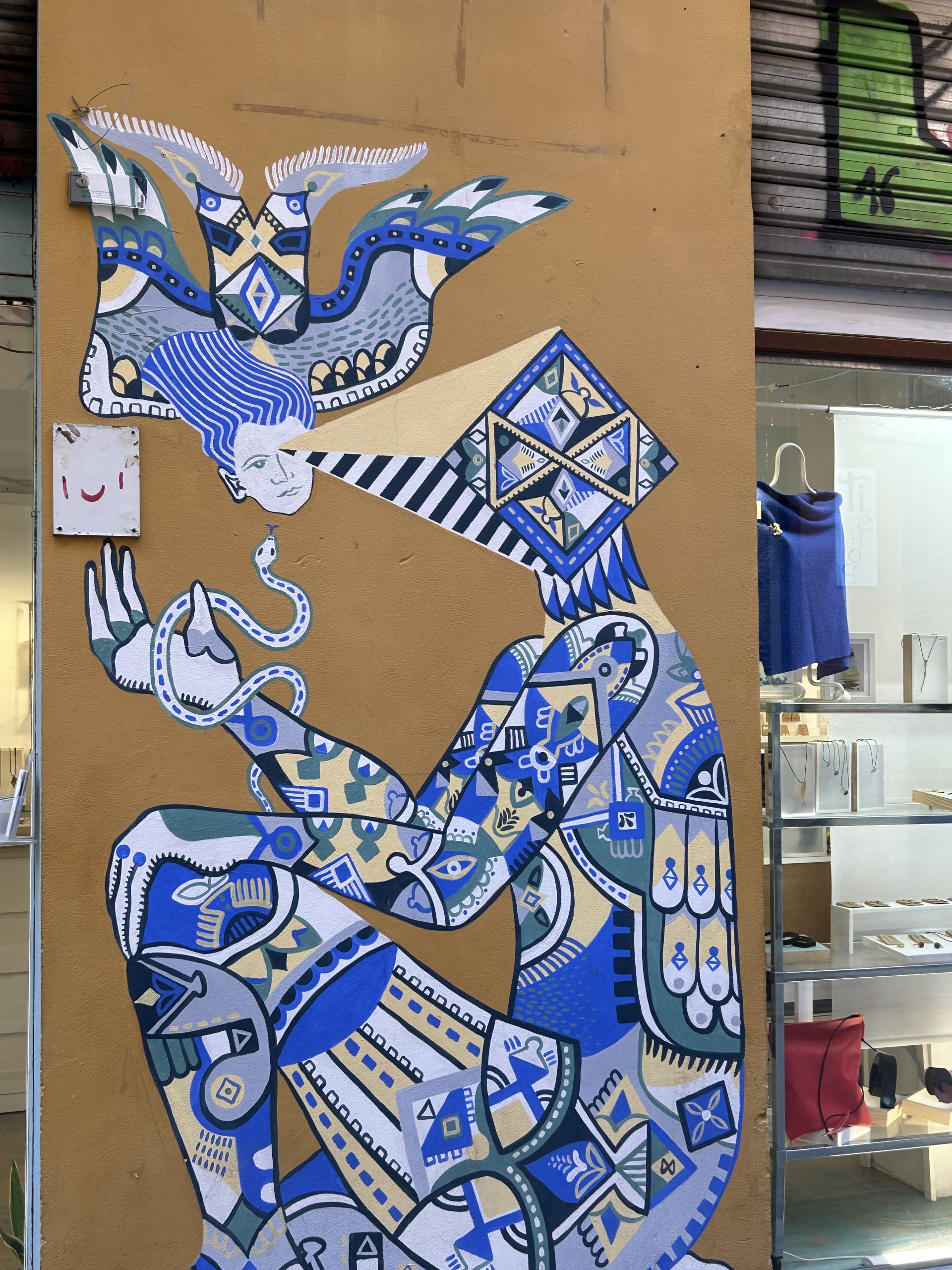
A quirky, graffiti-covered part of town that’s full of hidden gems. Keep an eye out for spots like the House of Cats and Portal de Valldigna, tucked between alleyways and historic facades.
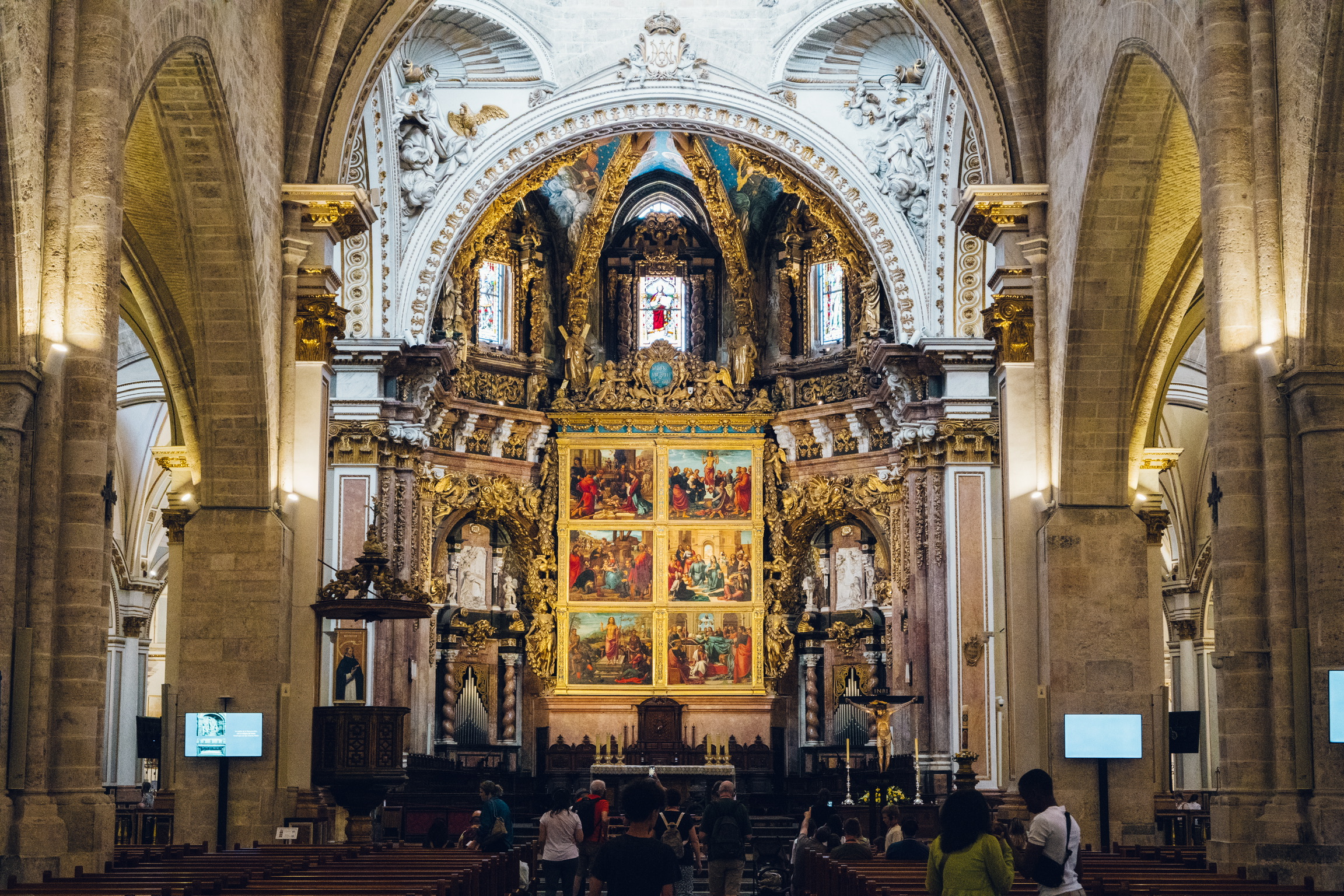
Catedral de Valencia (Valencia Cathedral)
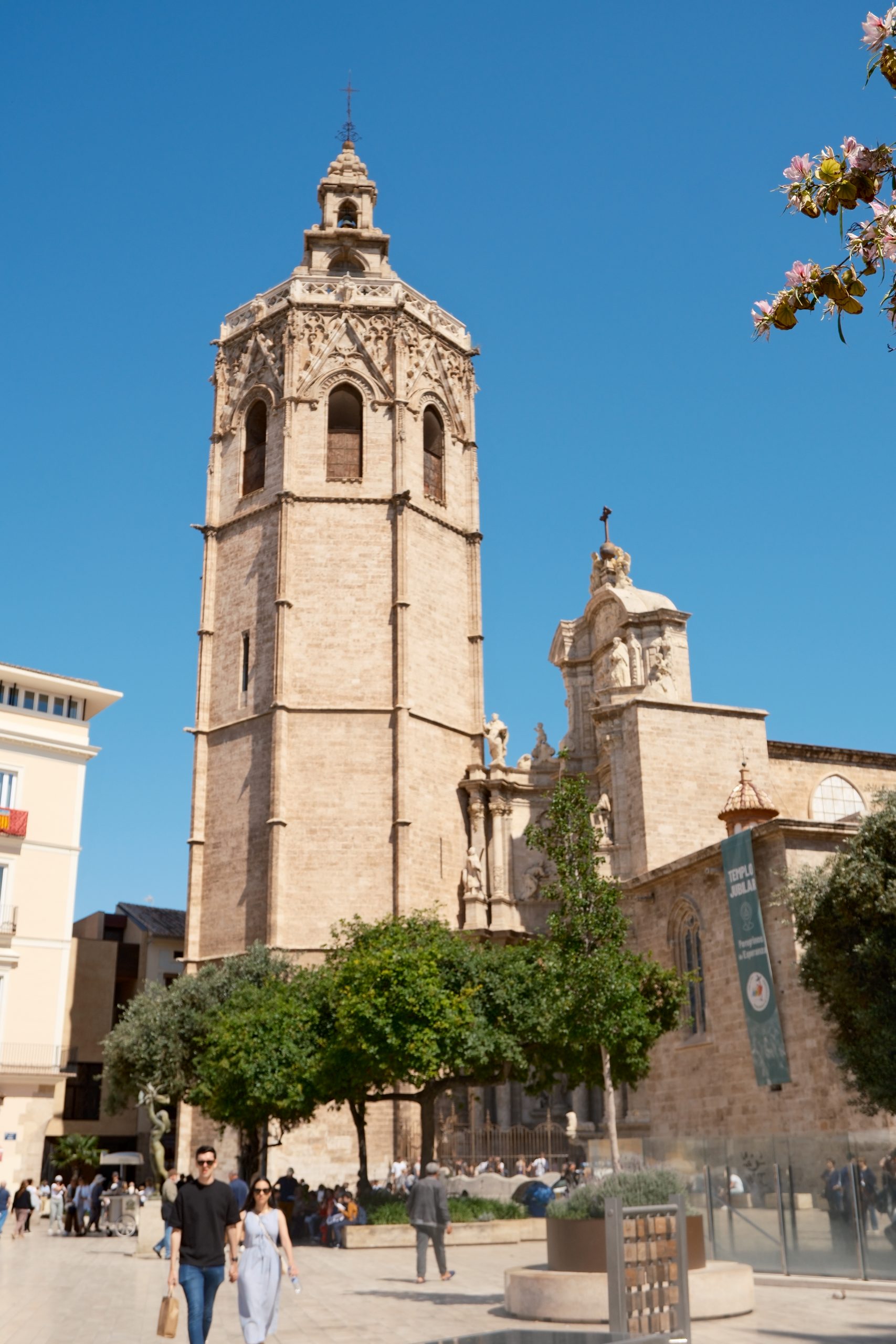
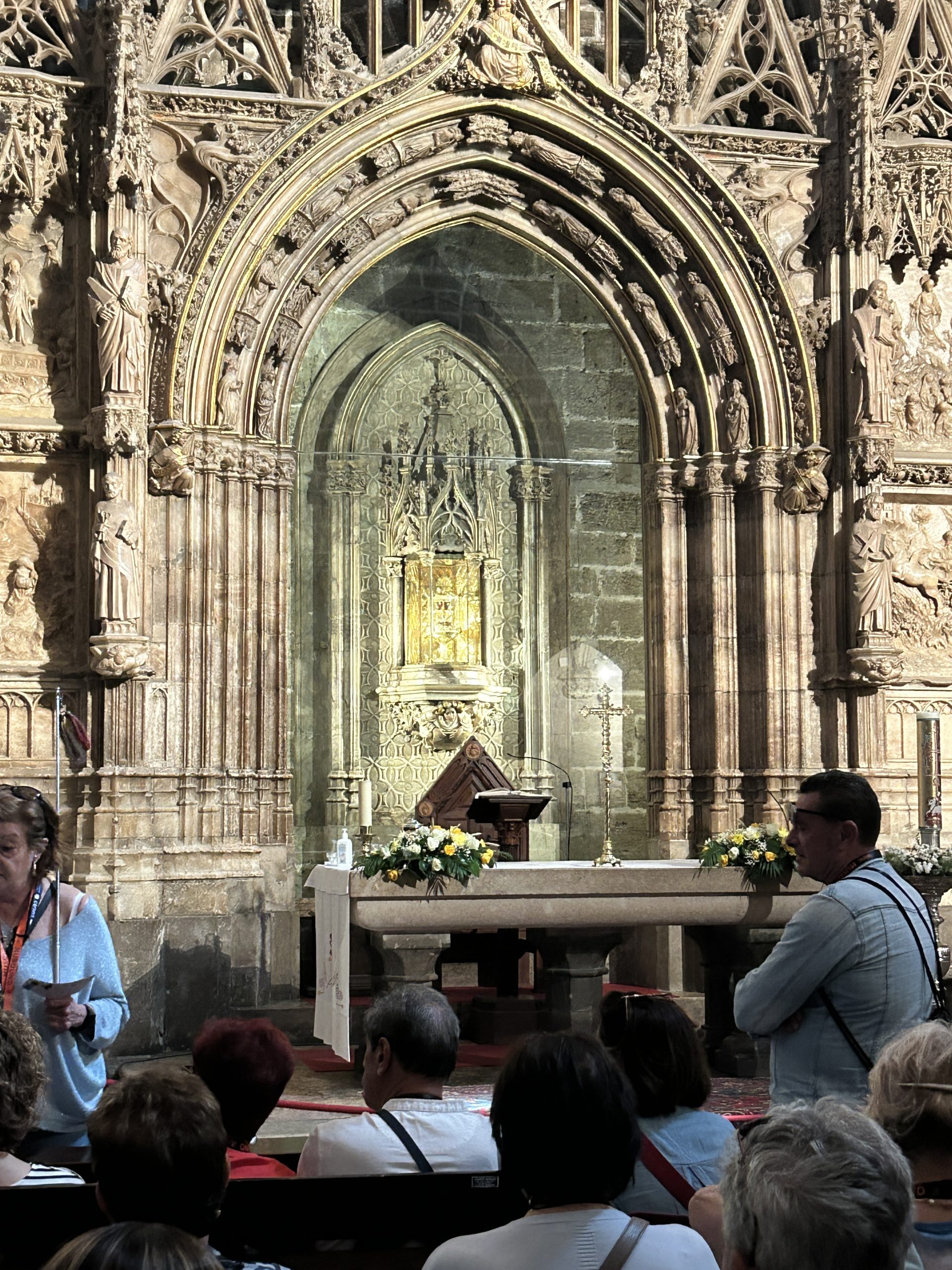
As travelers make their way through the old town, a stop at this iconic cathedral is highly recommended. It anchors the historic center visually and offers a blend of Romanesque, Gothic, and Baroque architectural styles. The cathedral is also home to what is believed by many to be the Holy Grail. Visitors can also climb the Miguelete tower, a 207-step spiral staircase leading to panoramic views of Valencia’s rooftops. We didn’t make the climb on this trip, but it is often praised as one of the city’s best viewpoints.
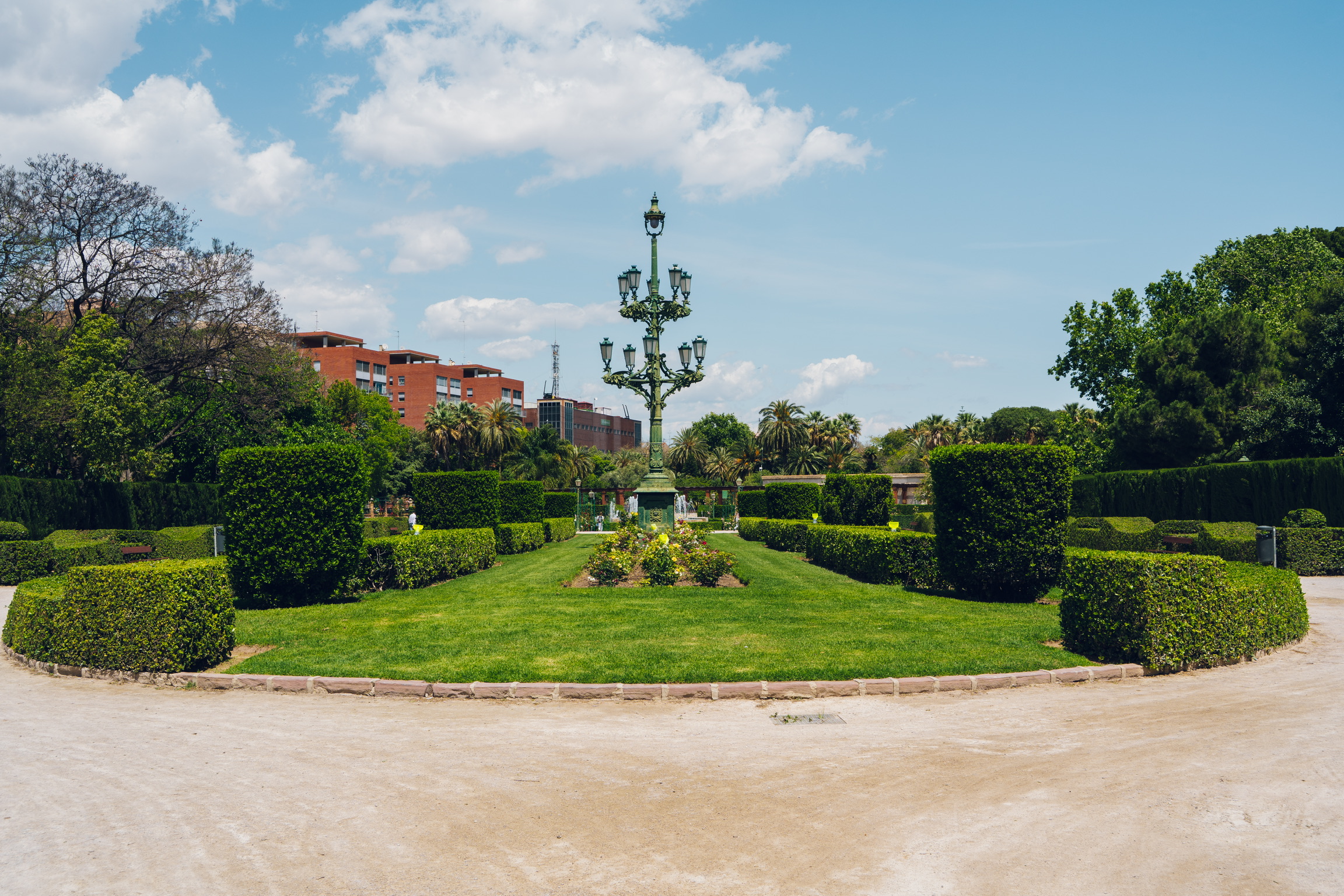
Jardín del Turia (Turia Garden)
Once a flowing river, today it’s a lush green park that winds through the heart of Valencia. A walk along a stretch of it reveals joggers, cyclists, and families out for a stroll. The shady paths and open space provide a calm reset between neighborhoods. The park is ideal for a morning run.
Day 2 – Architectural Marvels, Sun-Kissed Beaches, and Authentic Paella
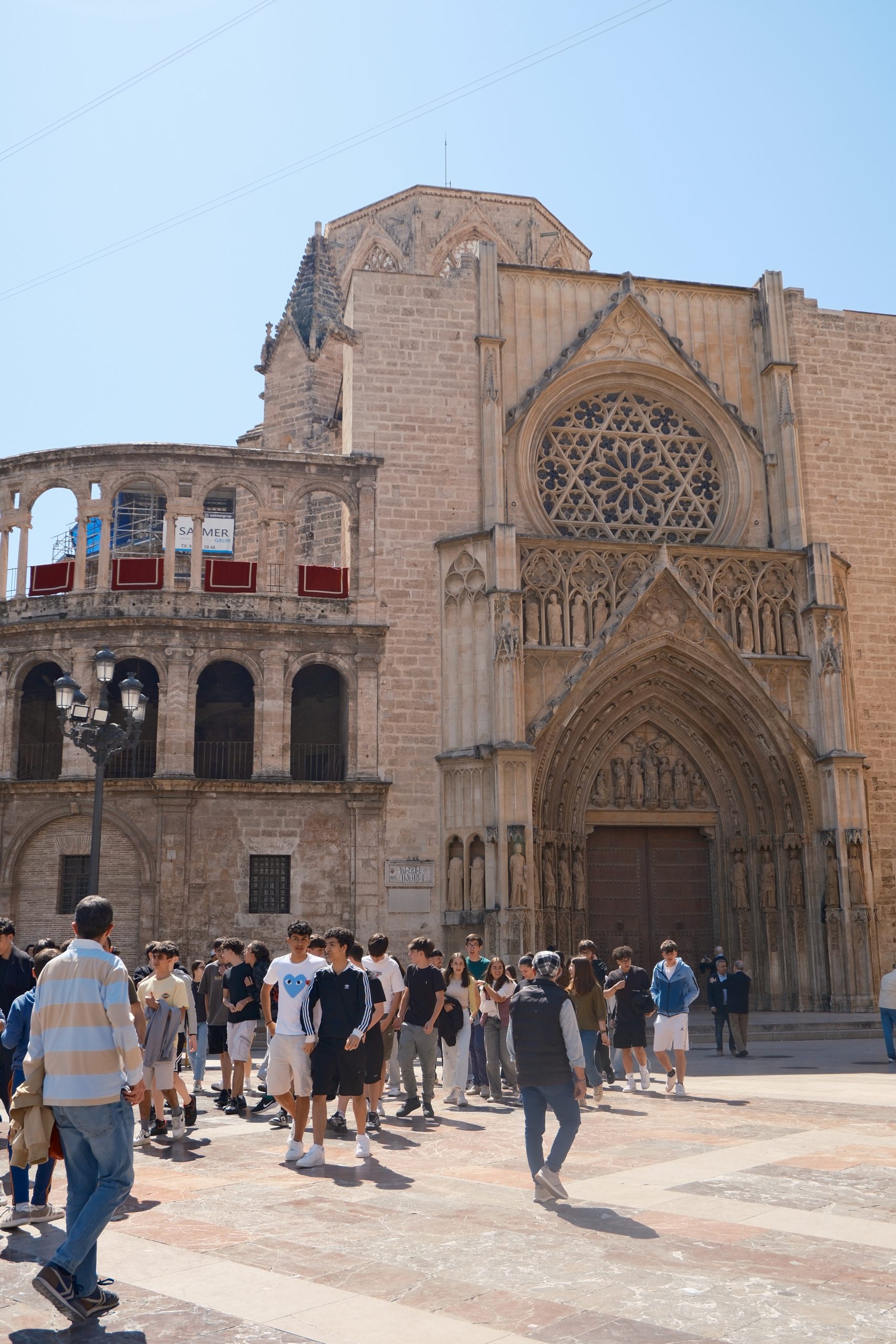
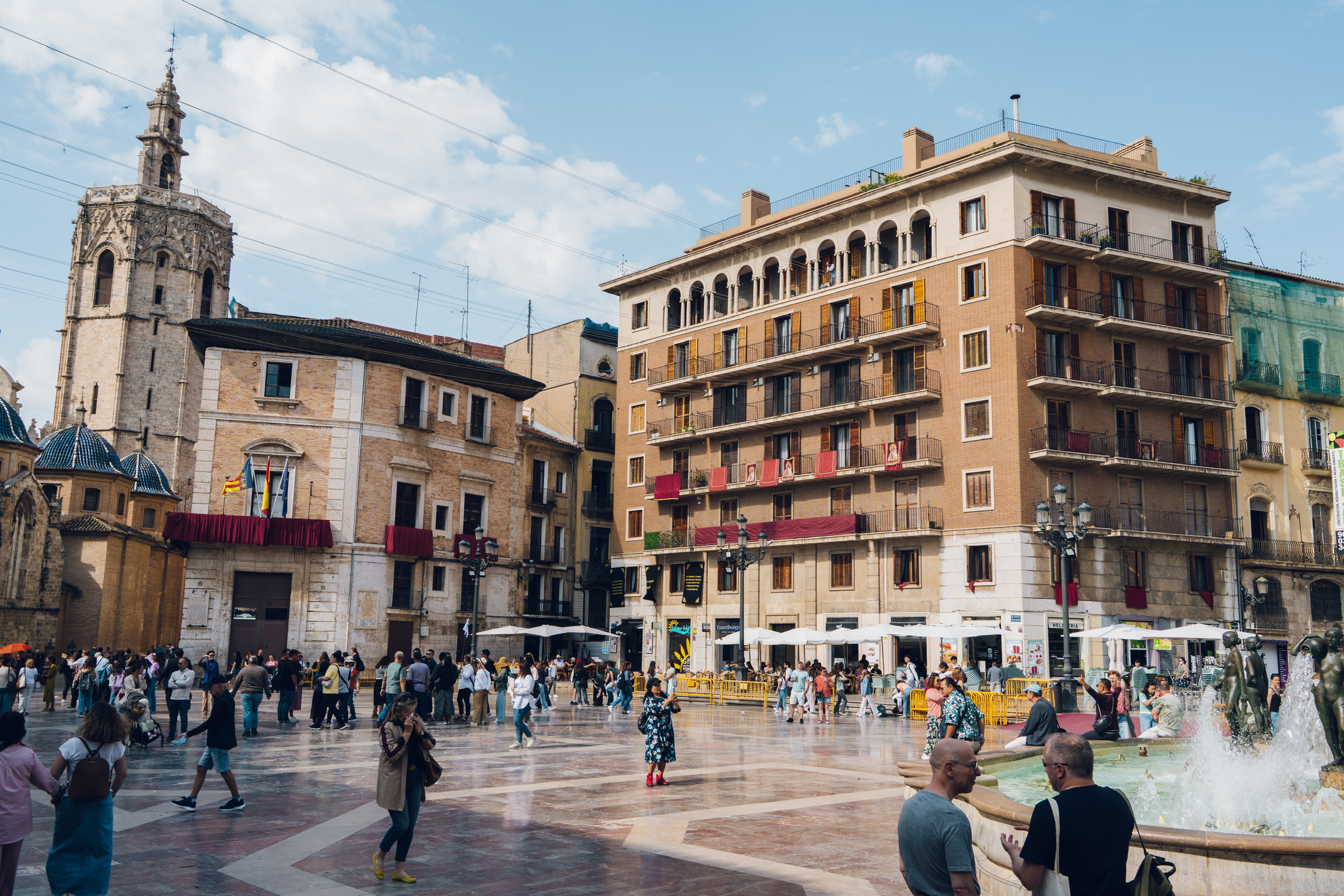
Plaza de la Reina & Placa de la Mare de Déu (Queen’s Square & Square of Our Lady)
Central hubs for sightseeing, people-watching, and grabbing a quick coffee.
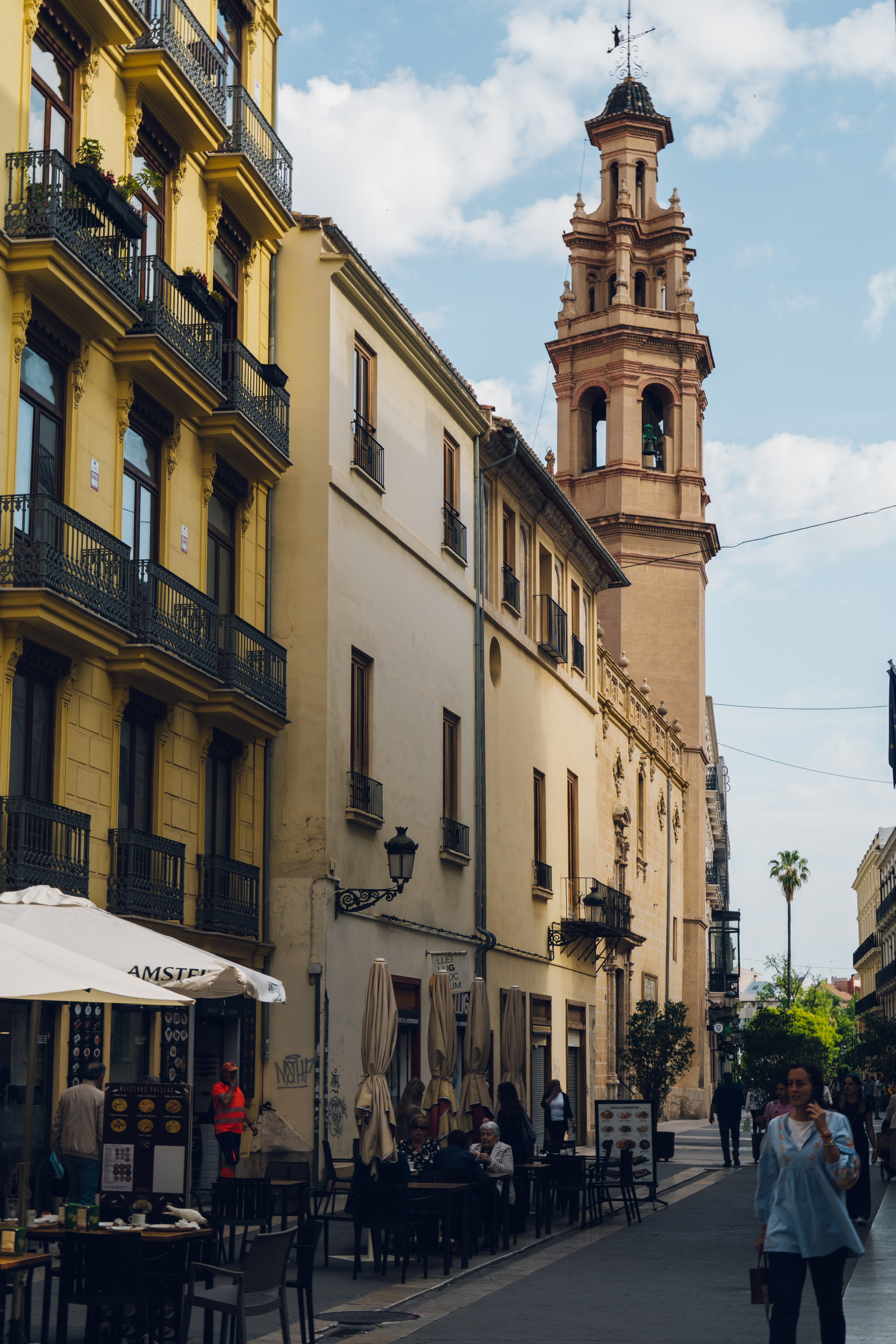
Església Parroquial de Sant Nicolau de Bari i Sant Pere Màrtir (Church of Saint Nicholas)
Tucked away behind a narrow alley, this church, often referred to as the “Valencian Sistine Chapel,” boasts a vibrant Baroque interior with stunning frescoes covering its ceilings and walls. It’s an underrated gem that offers a breathtaking artistic experience. One of the most underrated stops in the city. Visiting time varies, so make sure to check the official website.

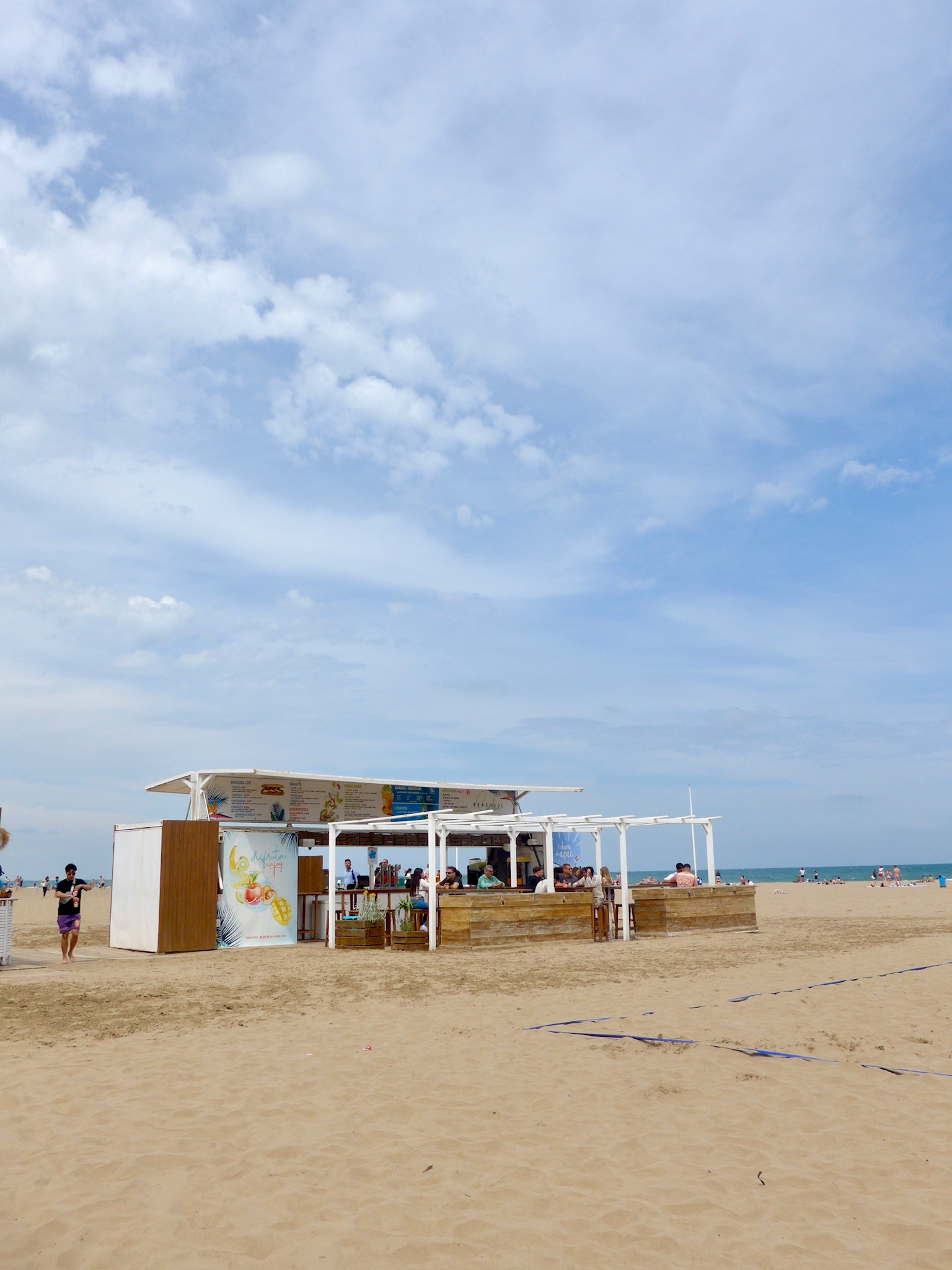
Playa de Malvarrosa (Valencia Beach)
An easy escape from the city. The beach is wide, lively, and lined with palm trees. While it’s not the most secluded, it’s still a great place to unwind for a few hours after lunch. Grab a cold drink, kick back on the sand, and just soak up the sun.
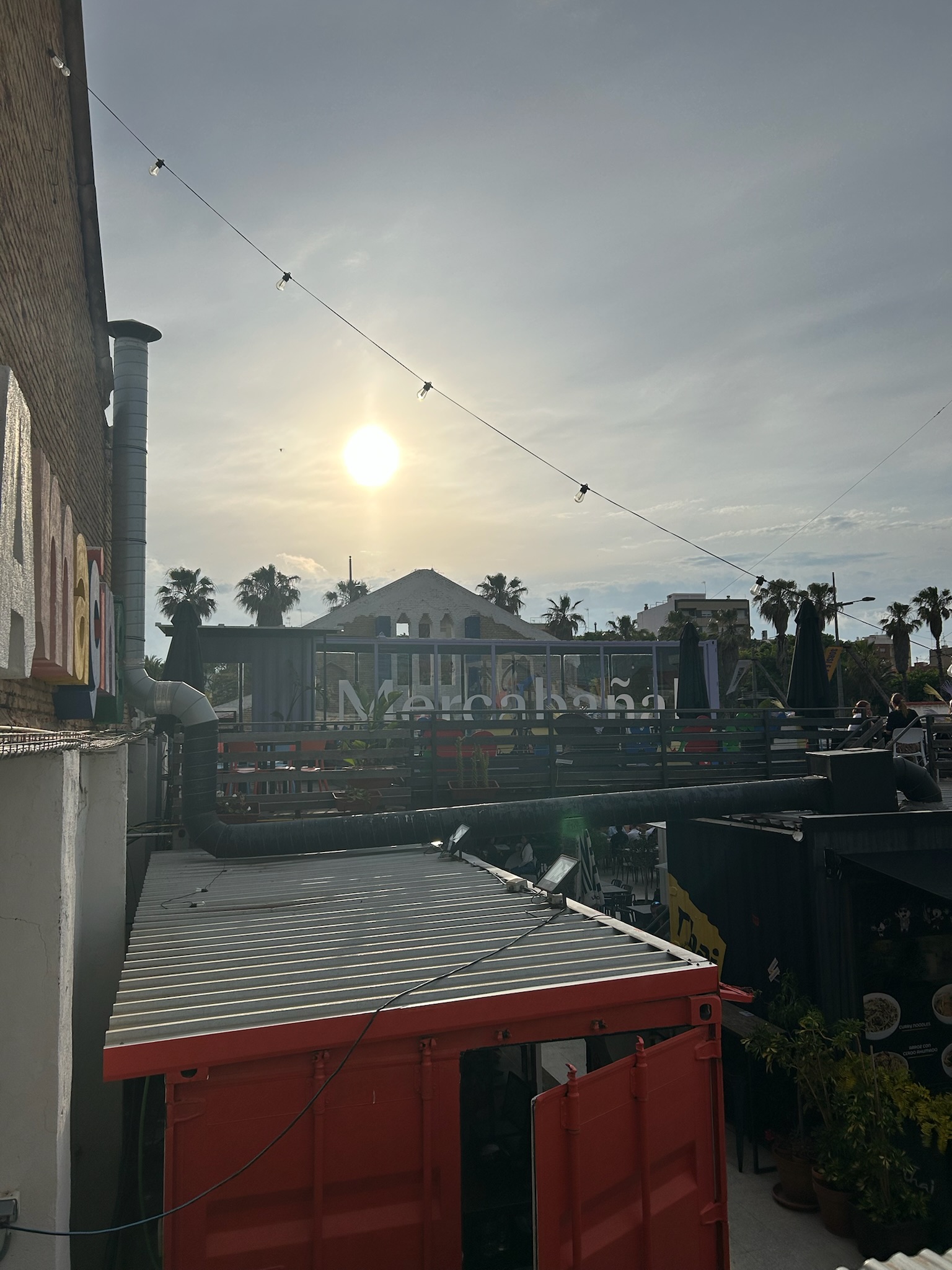
Marcabanal Food Court
If you’re still hungry later in the day, or want a casual dinner with options for everyone, this lively food court near the beach is a solid choice. It gets more popular closer to sunset.
Day 3 – Futuristic Architecture & Wind-Down Vibes
Ciudad de las Artes y las Ciencias (City of Arts and Sciences)
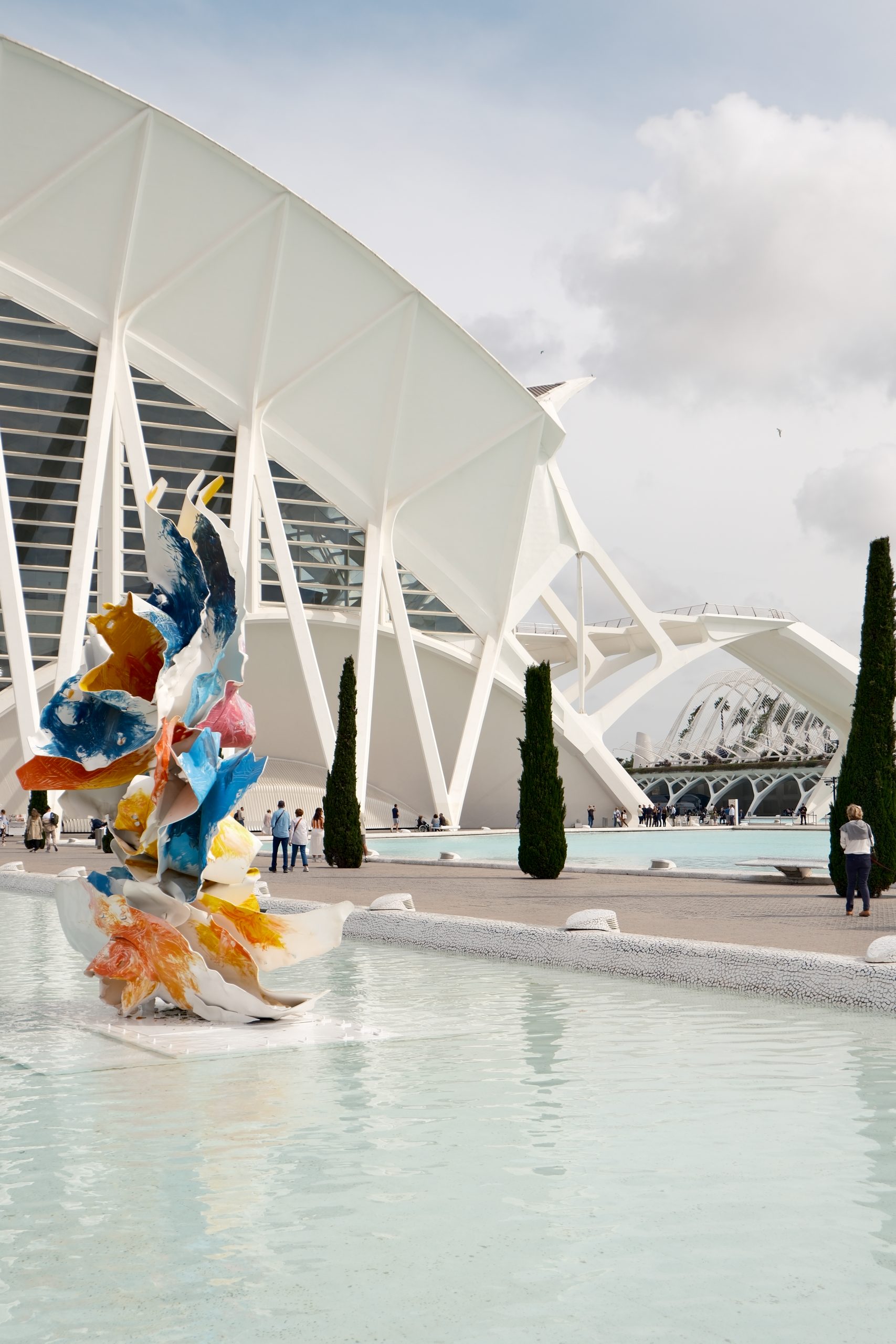
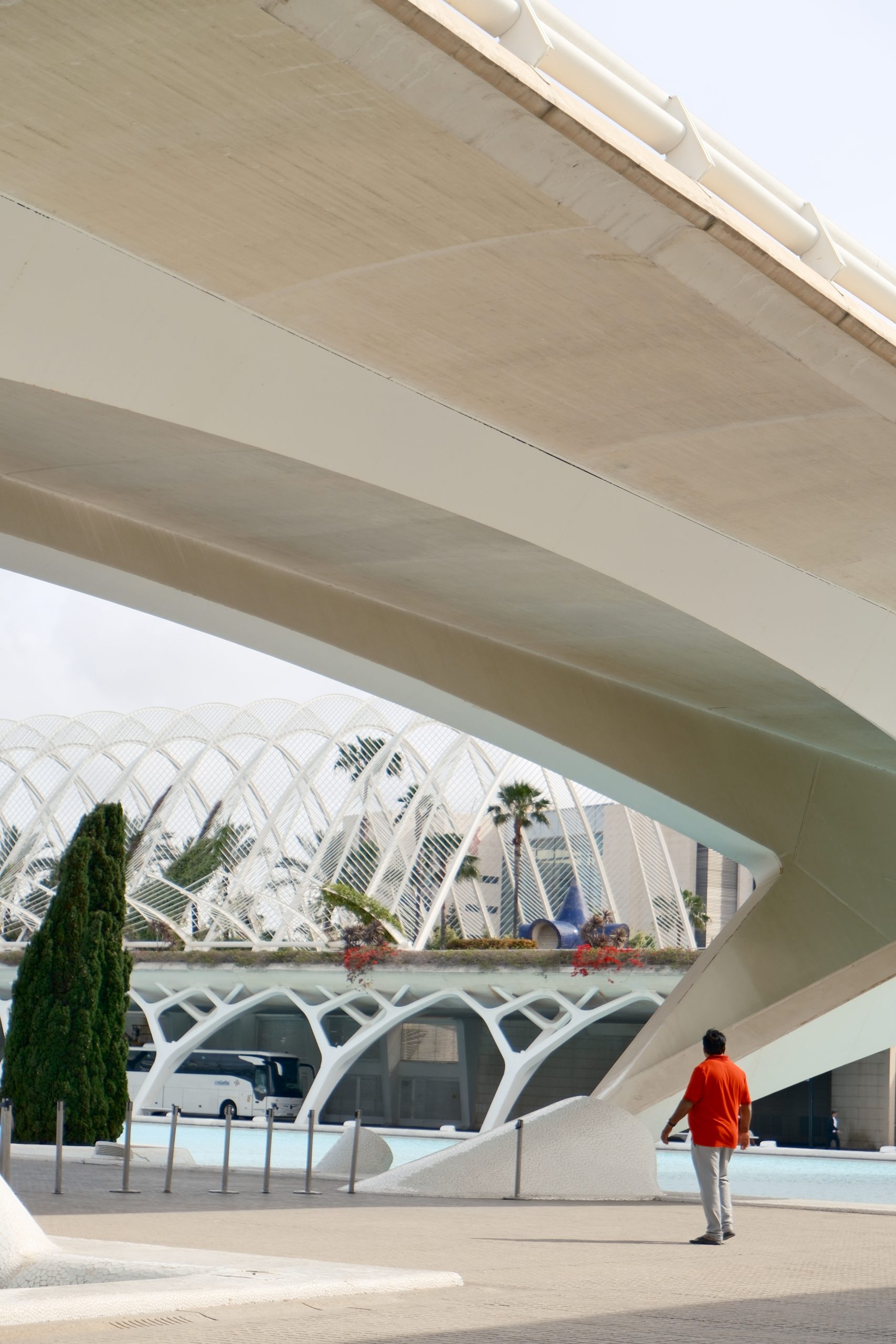
Valencia’s most iconic modern landmark. The architecture here is stunning – curved white buildings surrounded by pools of turquoise water. Being museum freaks, the content inside the museum wasn’t our favorite, but walking around the site is well worth it just for the design.

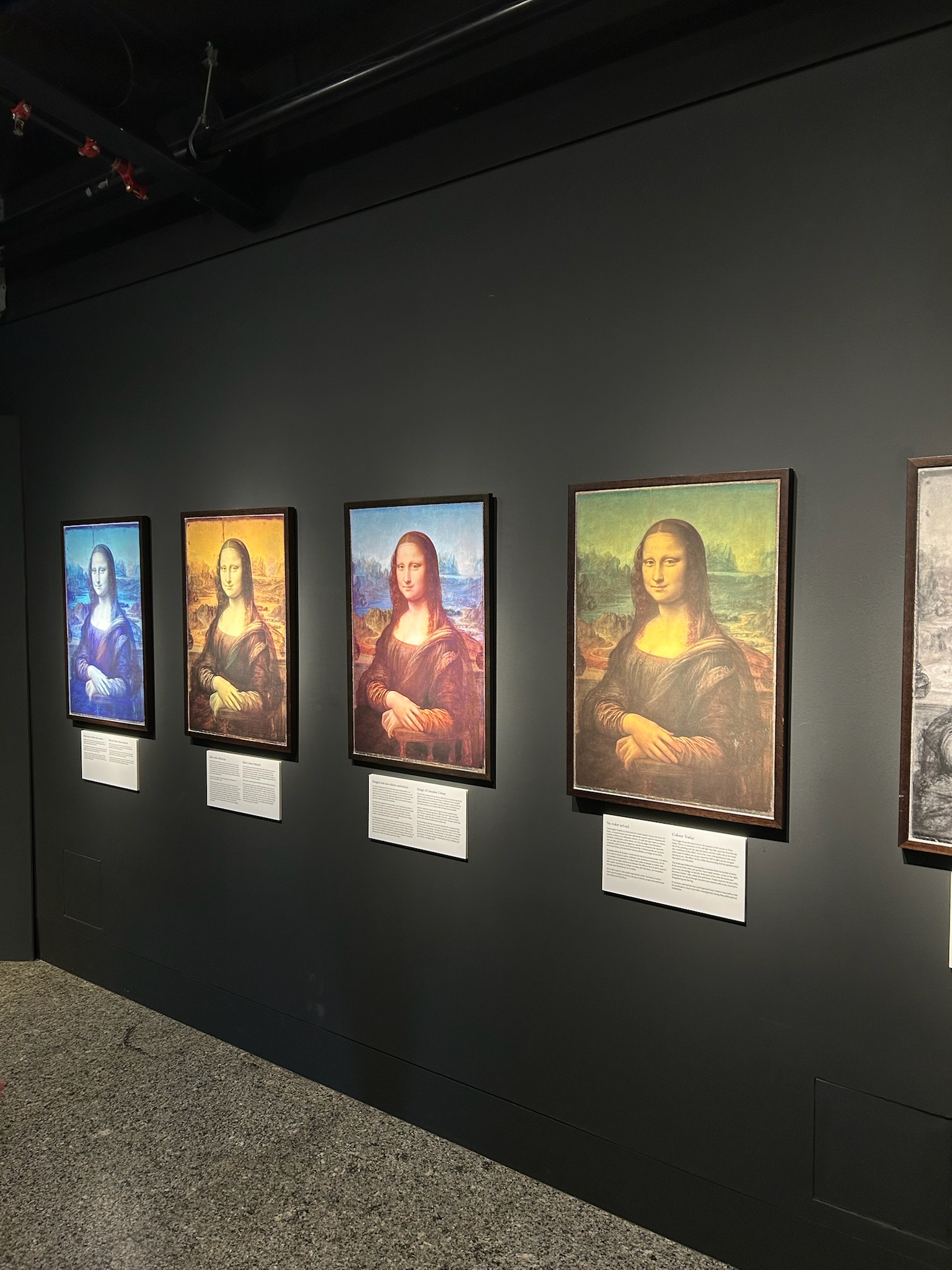
Oceanogràfic Valencia (Valencia Aquarium)
Europe’s largest aquarium sits right next door. If you’re someone who doesn’t usually visit aquariums, this one might surprise you. It’s a nice break from museums, especially if you’re traveling with kids or just want something different.
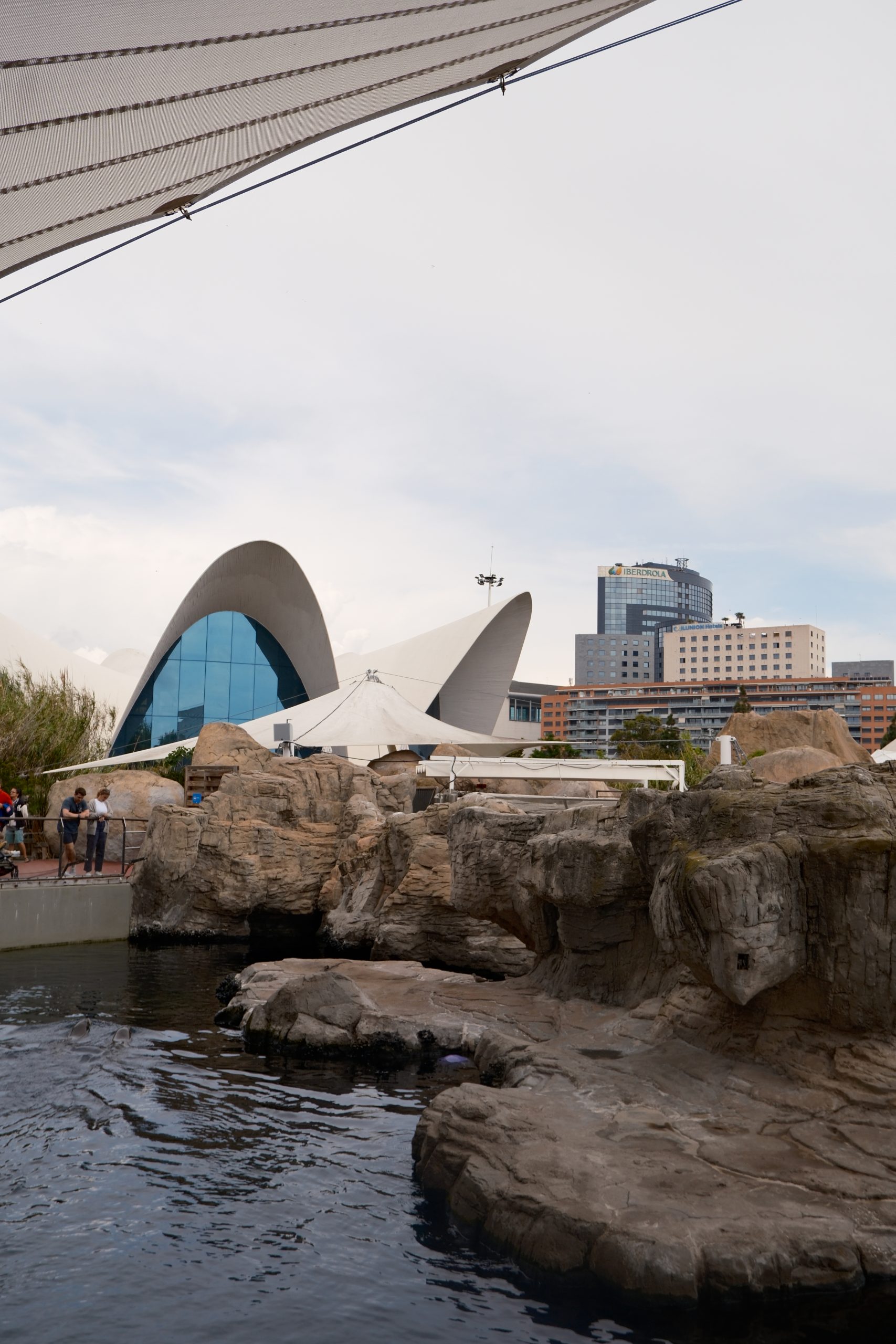

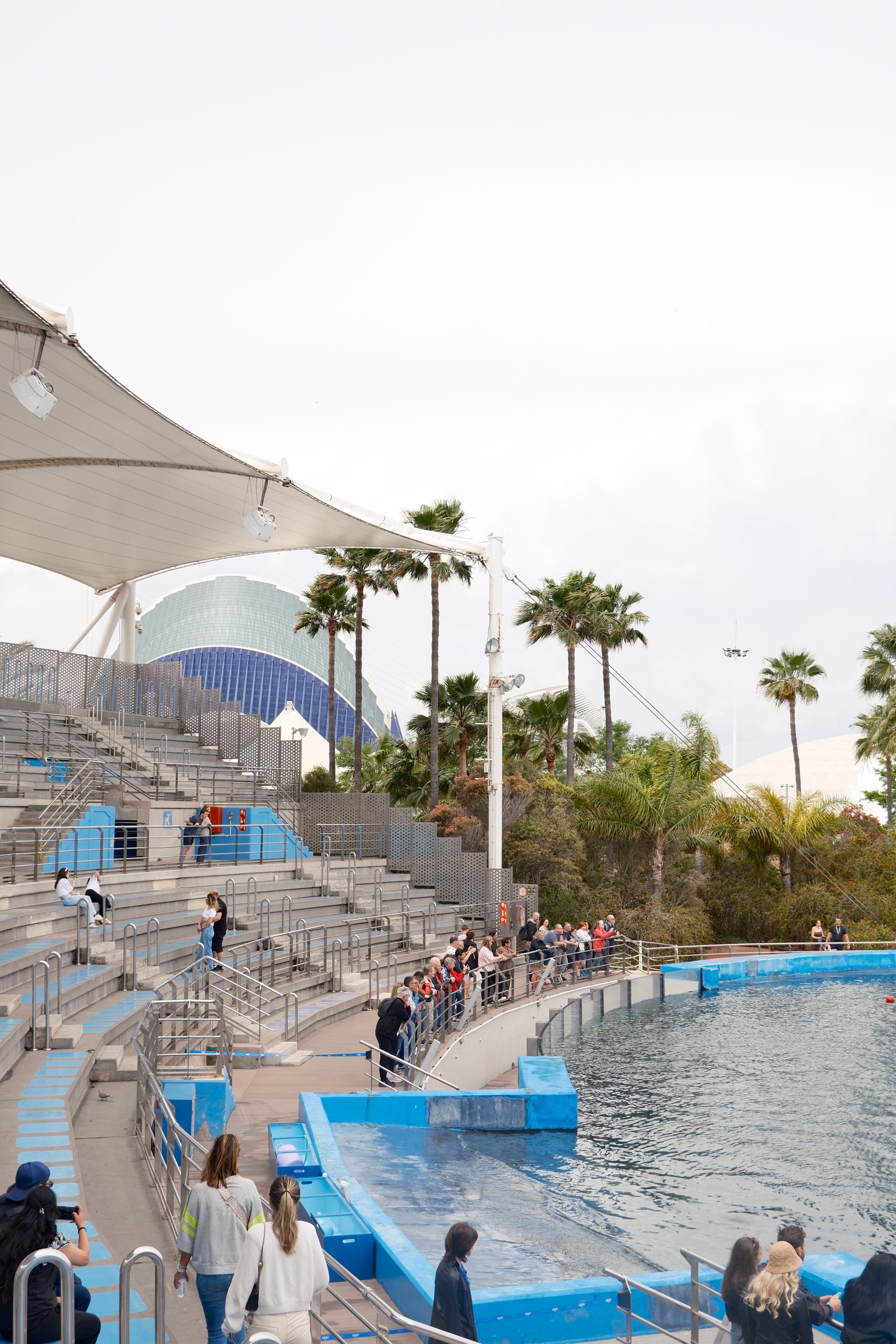
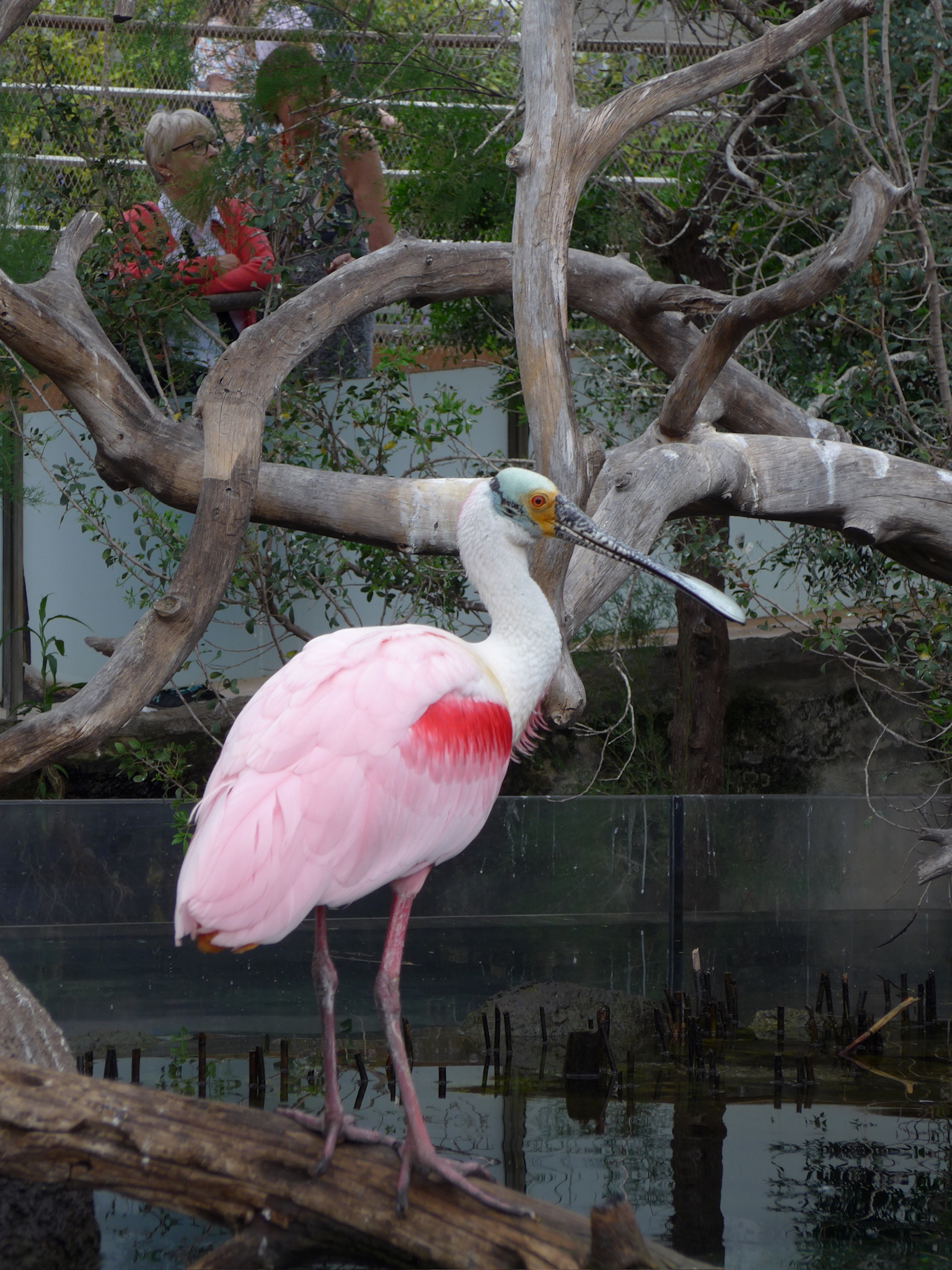
Hemisfèric
This is a planetarium and 3D cinema housed inside what looks like a giant blinking eye. We didn’t go in, but the design alone was striking. If you’re planning to visit all three (Oceanogràfic, the Science Museum, and Hemisfèric), the best deal is to buy the bundle ticket in advance:

Pont del Regne
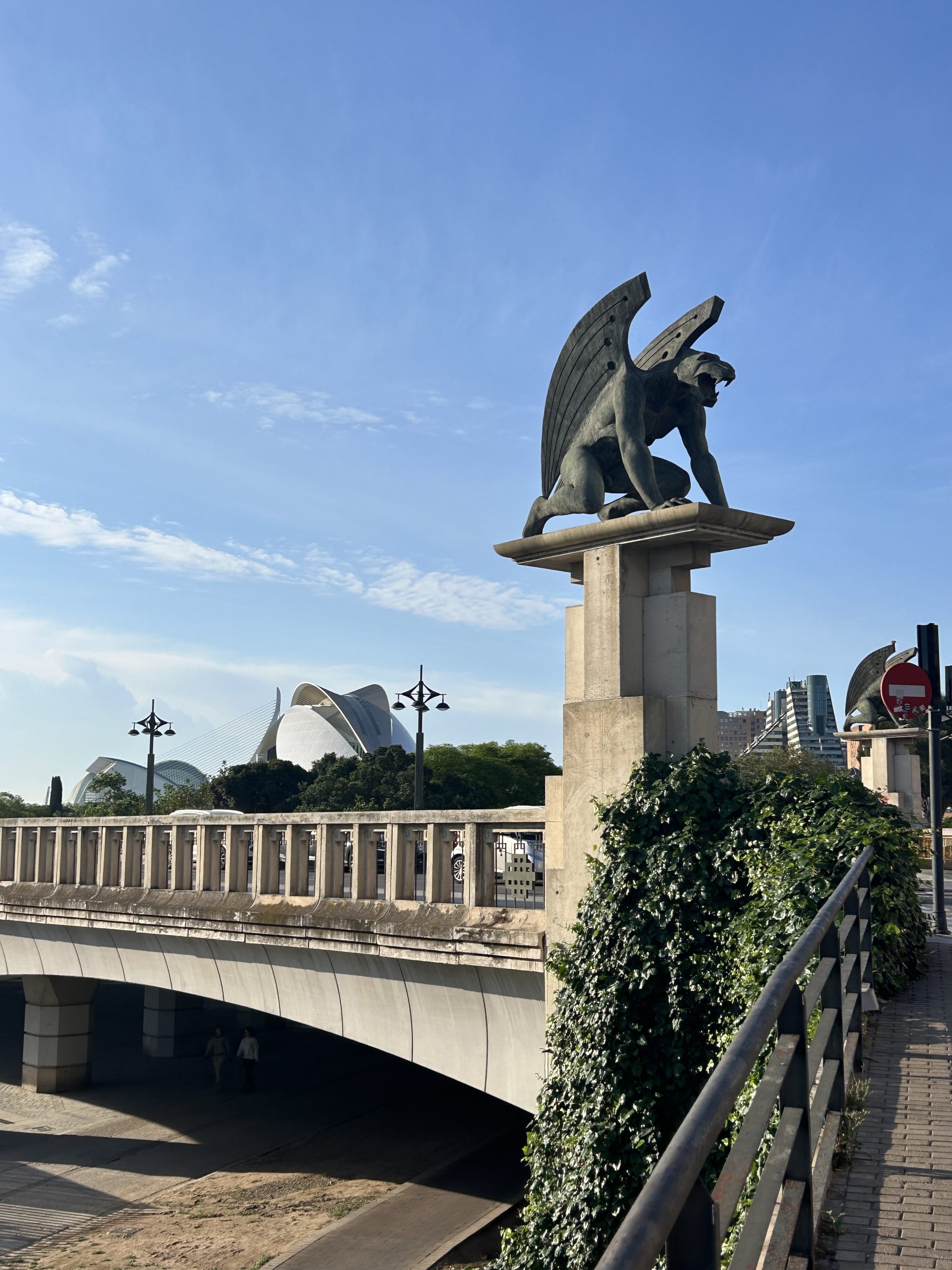
Gothic-style statues line this bridge, giving it a striking silhouette. Feels like you’ve stepped into Gotham.
Ruzafa
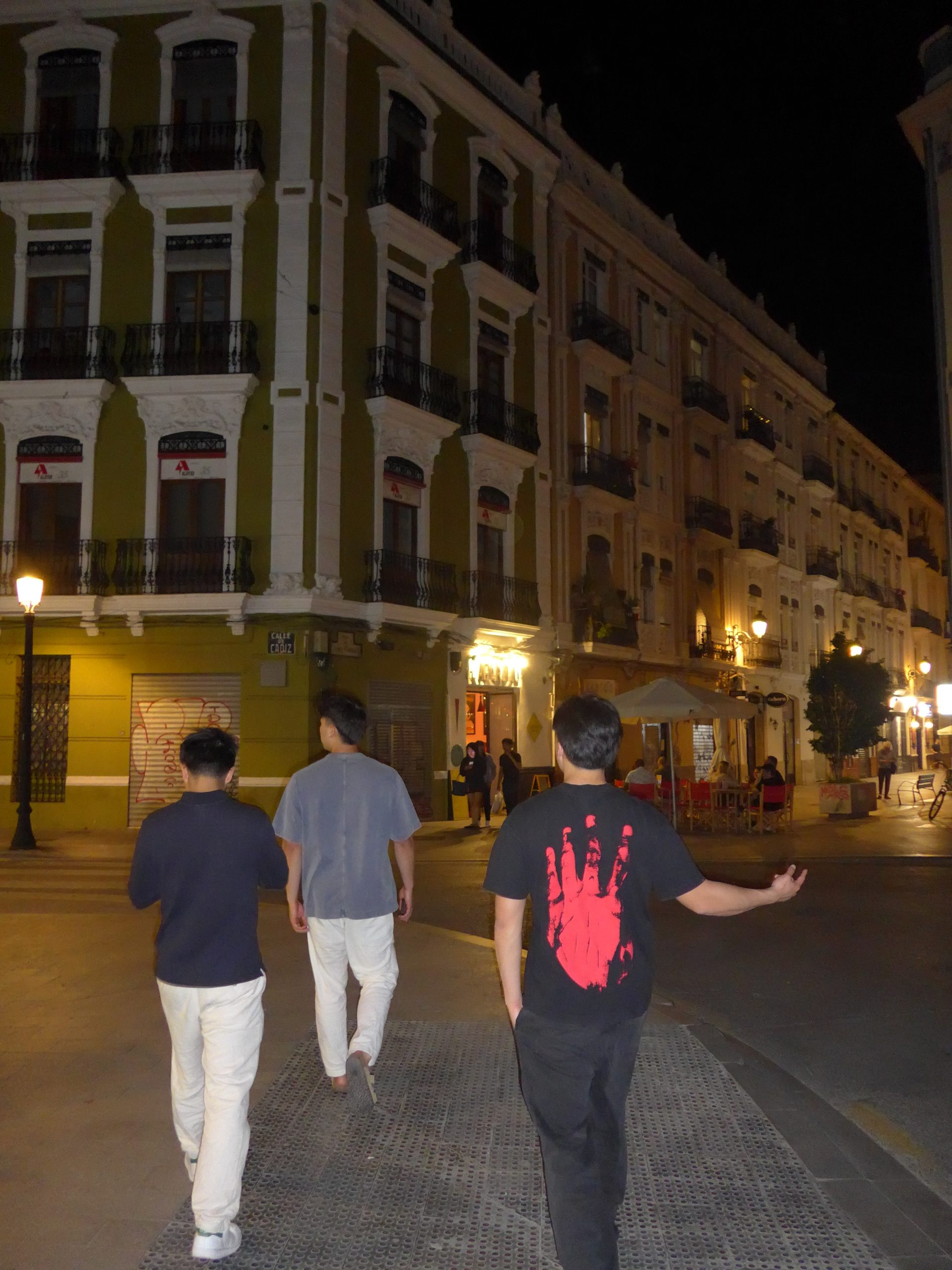
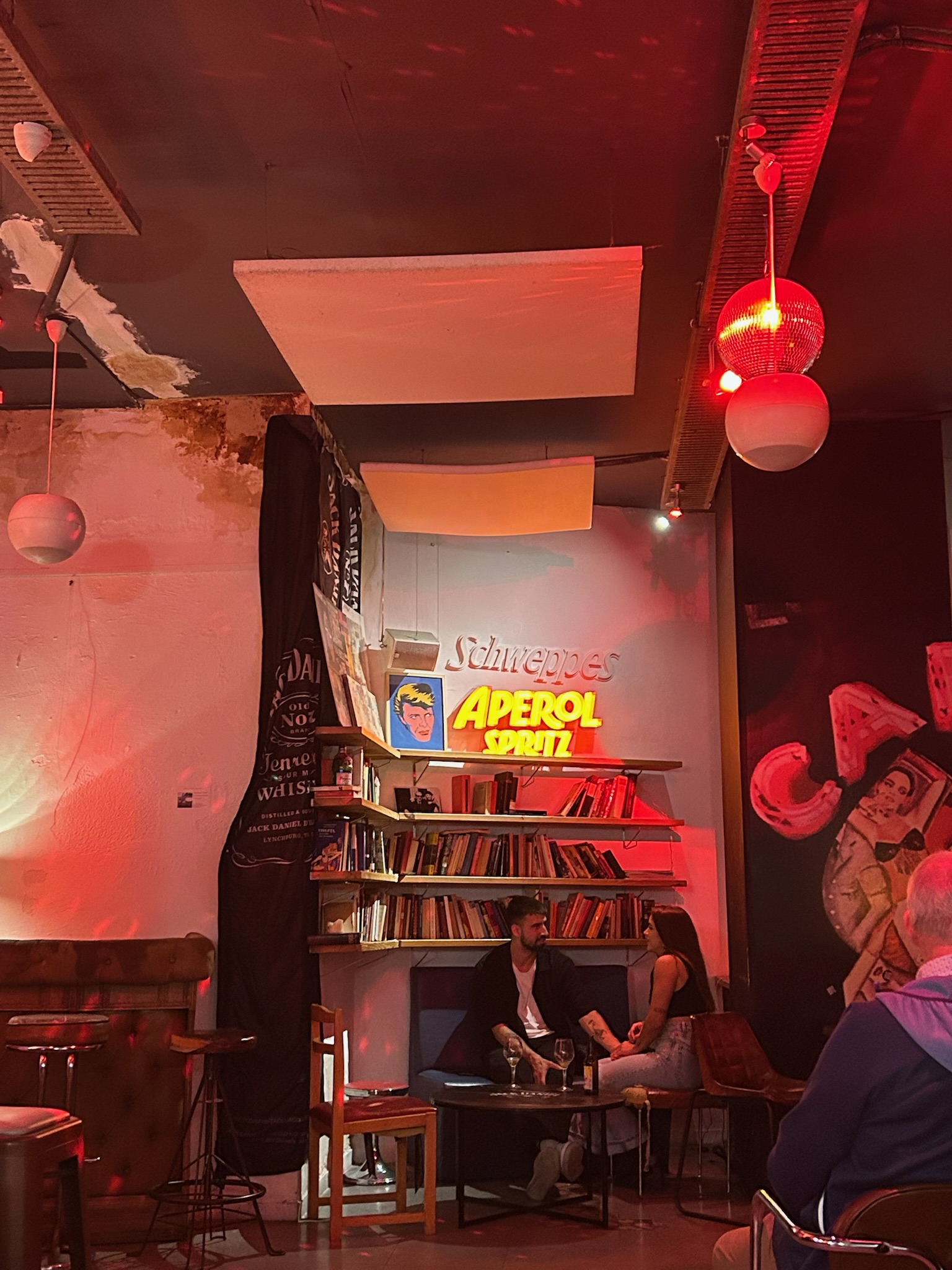
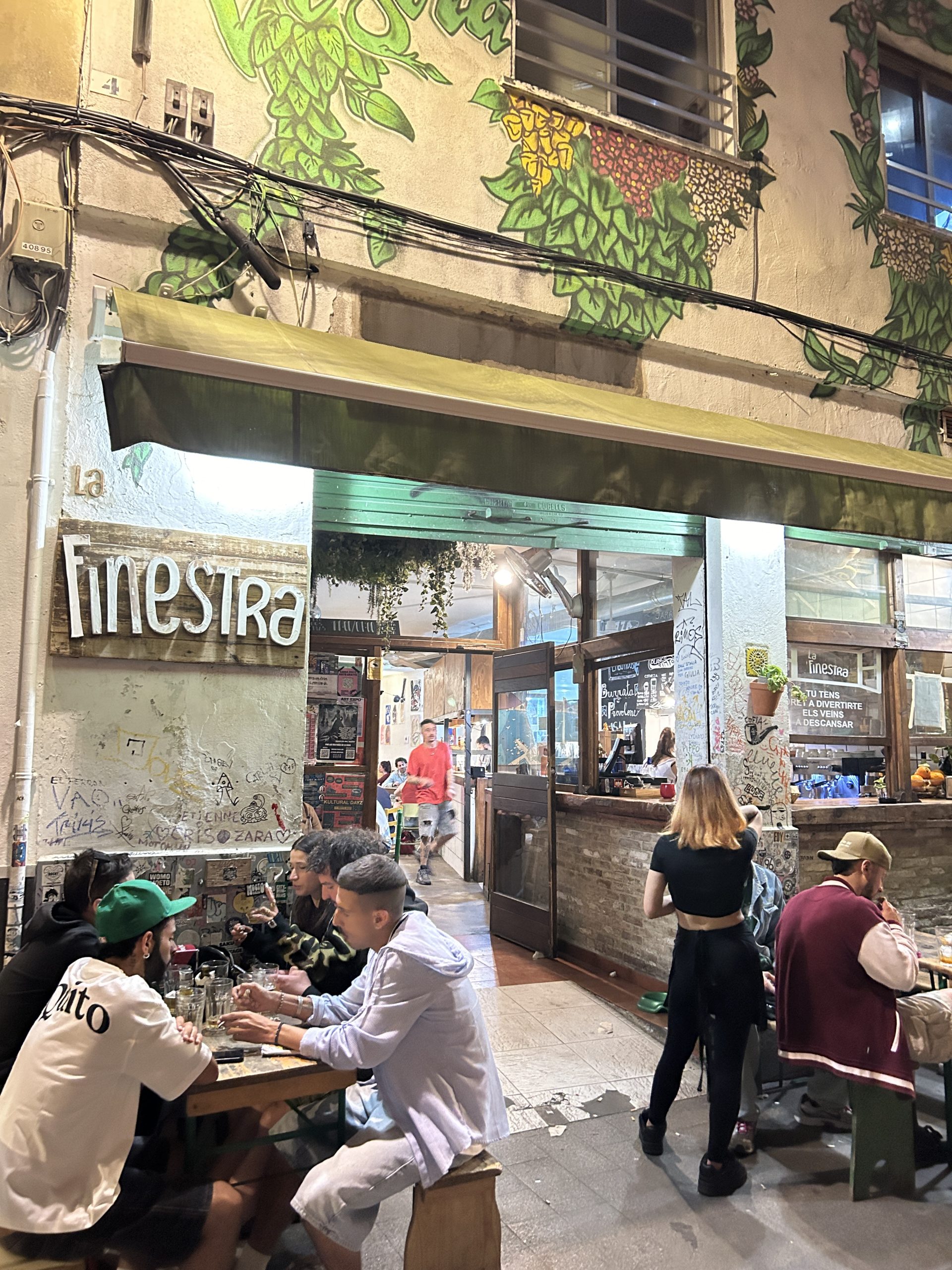
Wrap up your trip in Ruzafa, often considered Valencia’s most vibrant neighborhood after dark. The area mixes creative energy with a lively food and bar scene, from quirky cocktail spots to casual eateries. We went for the no-menu pizzas at La Finestra and tried to bar hop afterward. On a weekday night, the vibe was noticeably quieter, so if nightlife is your goal, aim for the weekend.
Food & Drink Highlights
Valencia’s food scene has depth, from local specialties to a surprisingly great burger place. Culinary highlights include:
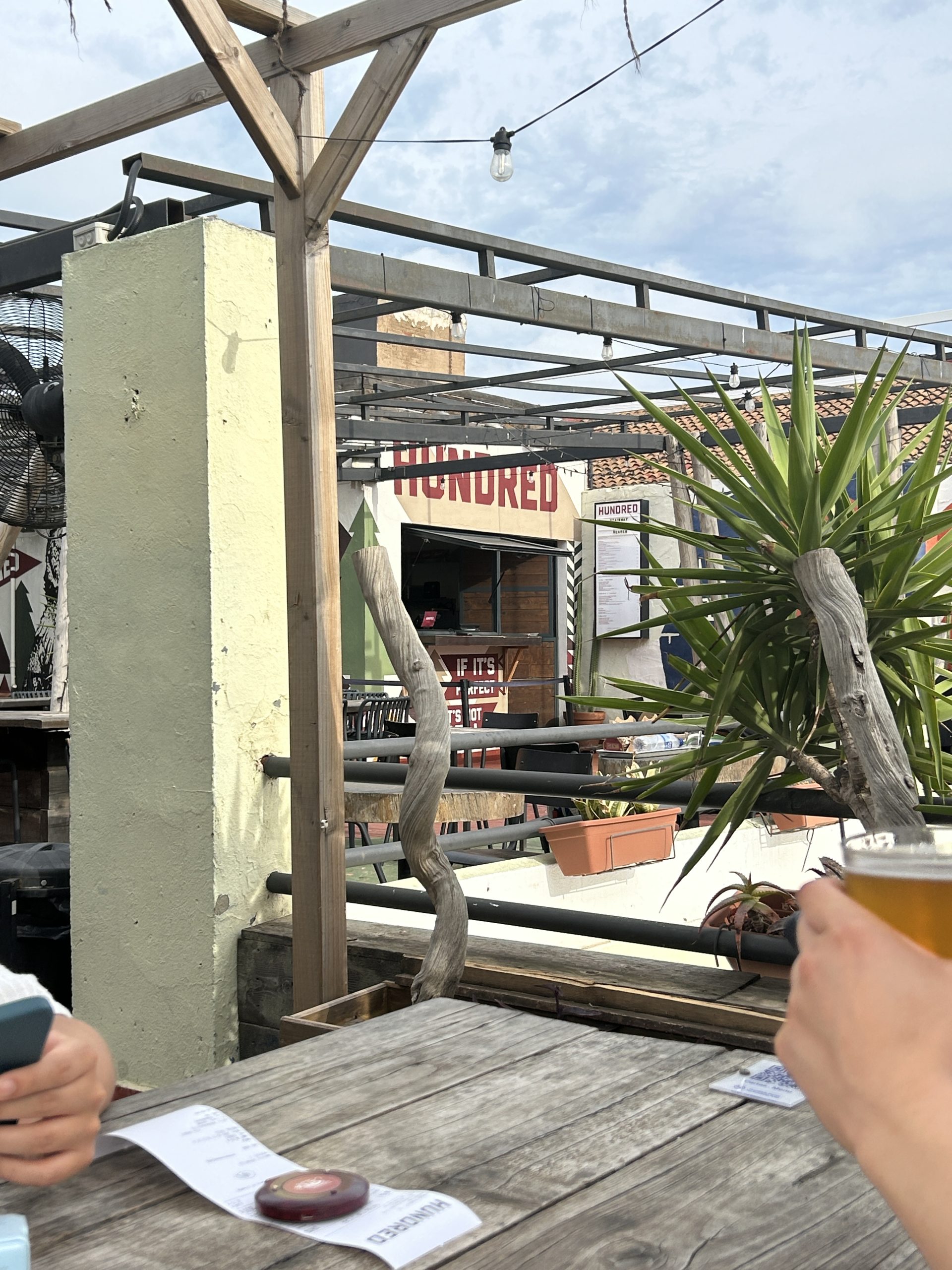
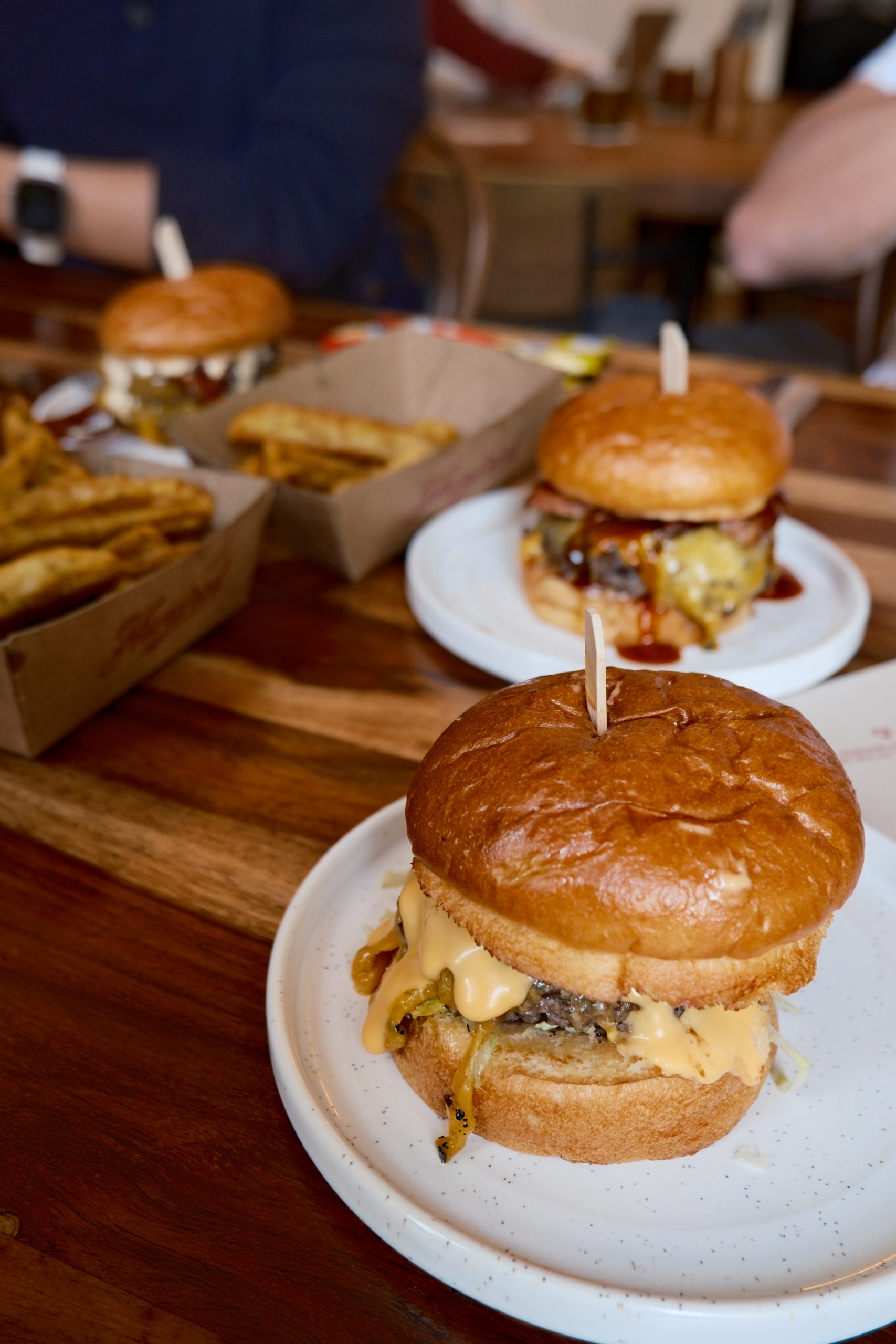
Hundred Burger
Tipped off by a British YouTube channel, we discovered what turned out to be some of the best burgers we’ve tried. The standout is the “Singular,” which won the title of best burger in the world in 2015. For something with more punch, the “Loser” topped with gochujang is a flavorful alternative.
Casa Carmela
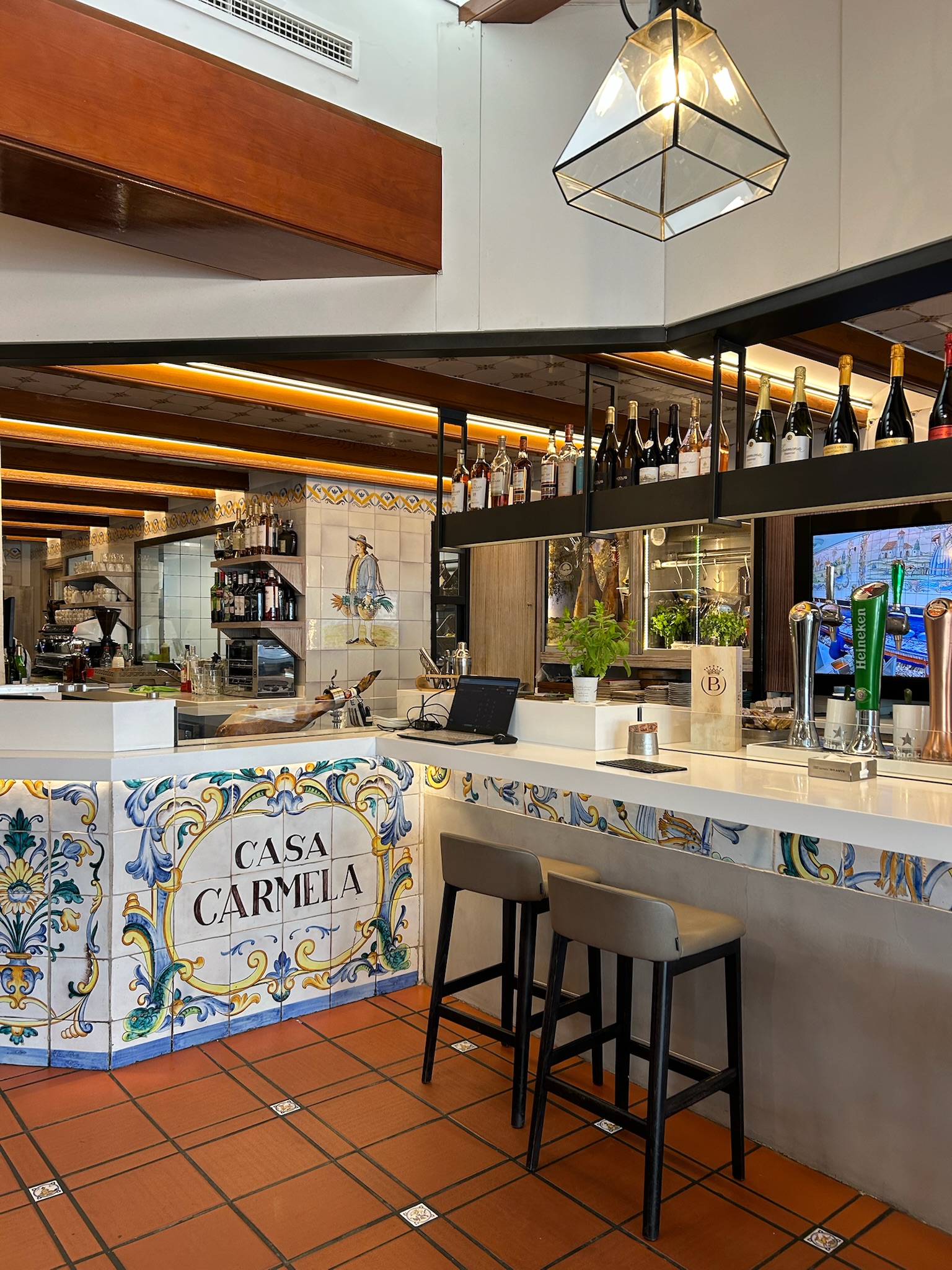
The place to try authentic Paella Valenciana, cooked over orange wood with rabbit and snails. Rich, smoky, and full of flavor. This is definitely a memorable experience. Call a day ahead to reserve the Paella Valenciana.
La Finestra
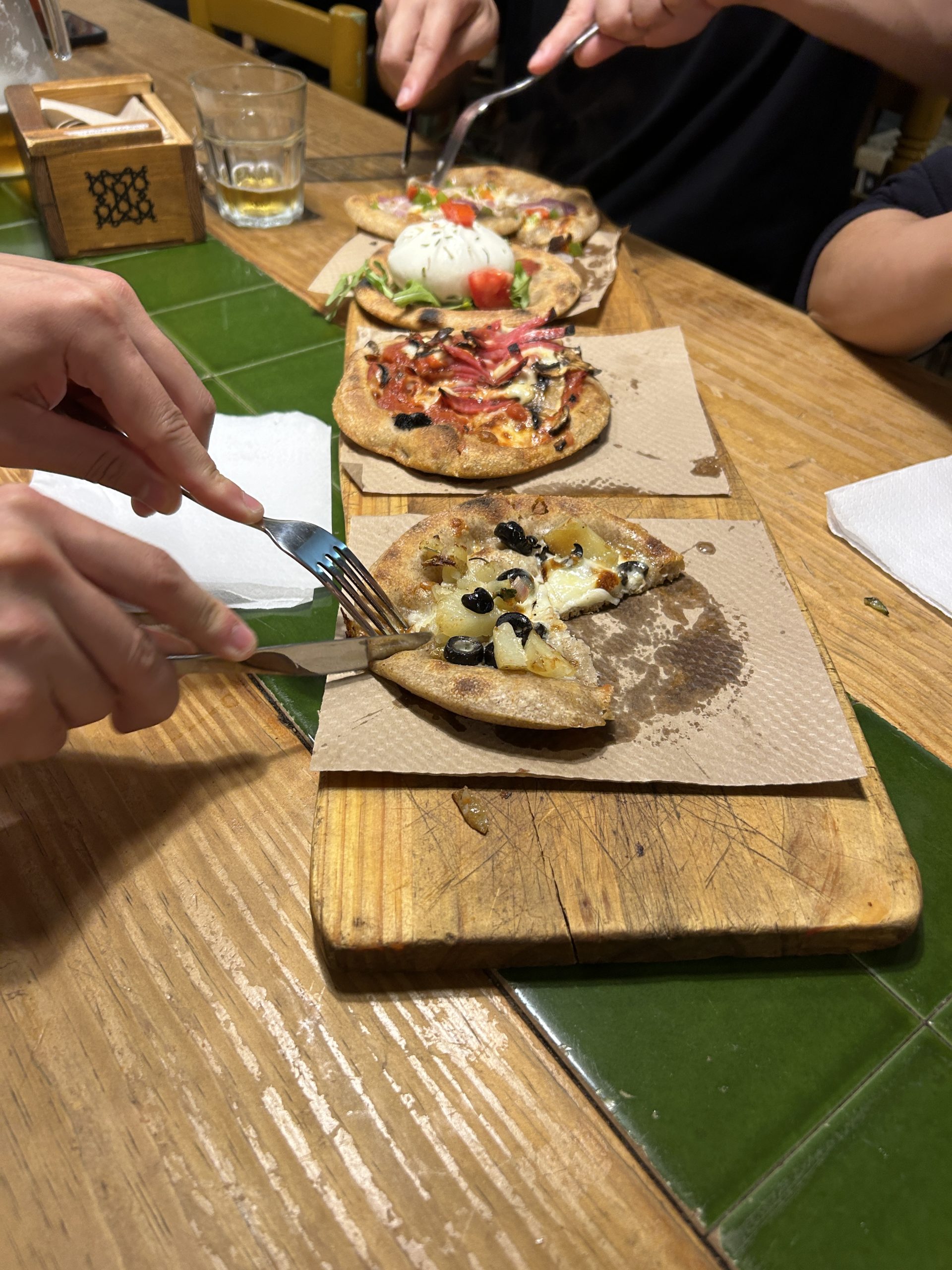
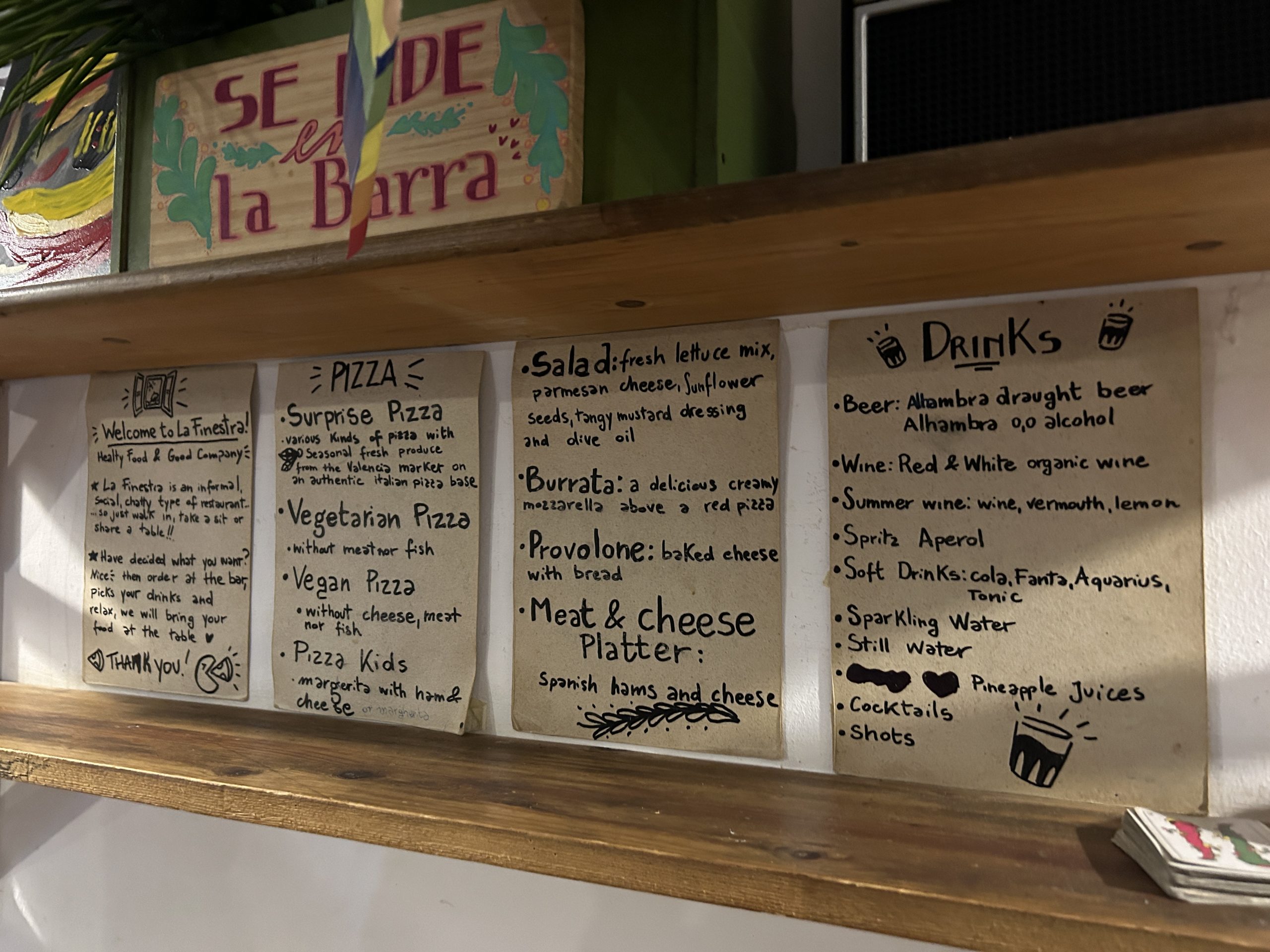
This tiny, colorful spot in Ruzafa takes a playful approach to pizza: you simply tell them how many mini pies you want, and the chefs choose the toppings. It’s a no-menu concept that keeps every visit a surprise, and the results were consistently delicious. The interior feels like a classroom brought to life, with mismatched desks, benches, and art-covered walls creating a quirky and lively atmosphere.
Orxateria Daniel
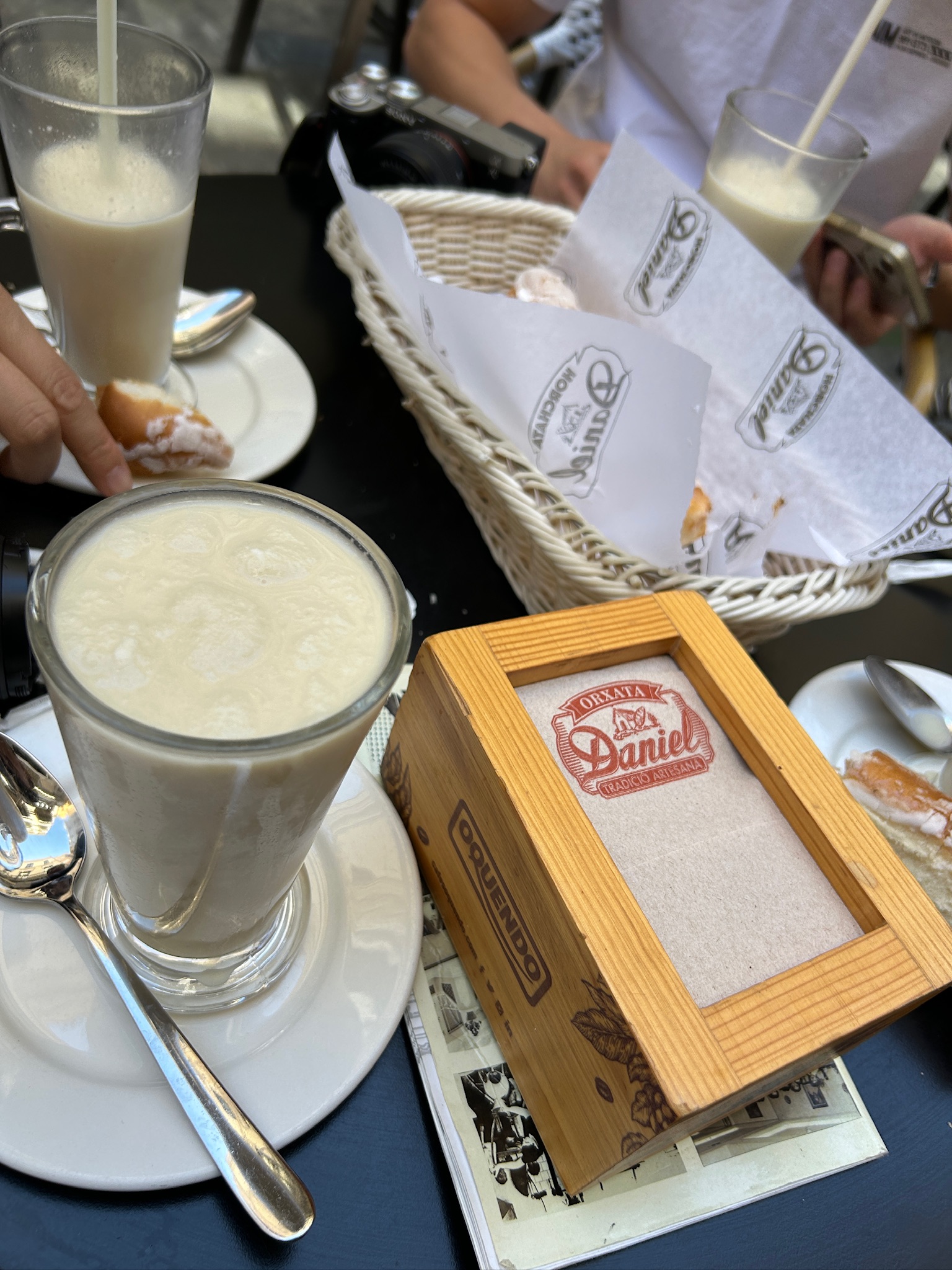
Valencia is the birthplace of horchata, and Daniel is the classic spot to try it. A great way to start the morning is here. The horchata tastes surprisingly like cold, sweetened soy milk – something that reminded us of Asian breakfasts growing up. It was refreshing and nostalgic at the same time. And make sure to pair it with “fartons”, the soft pastries made for dunking.

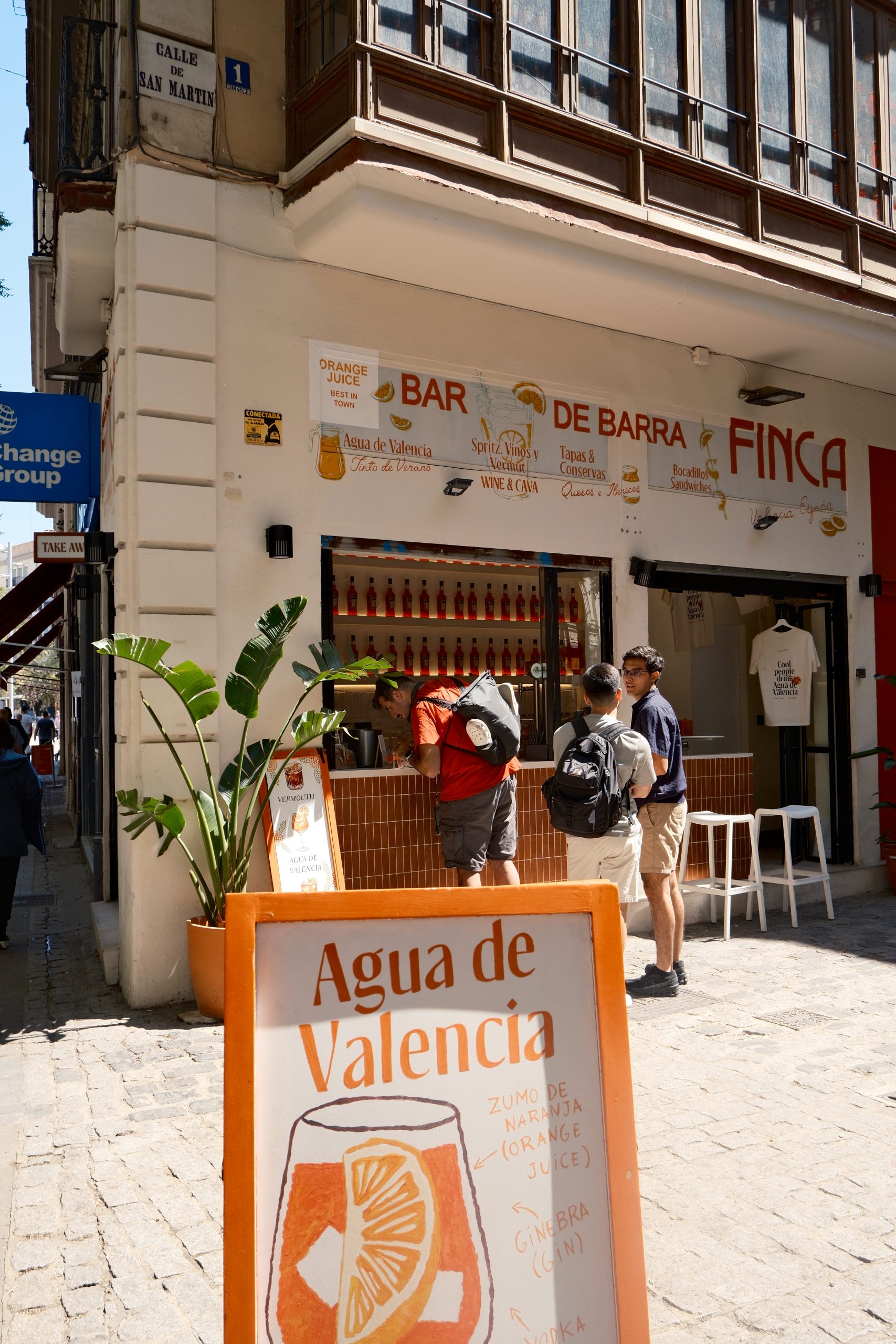
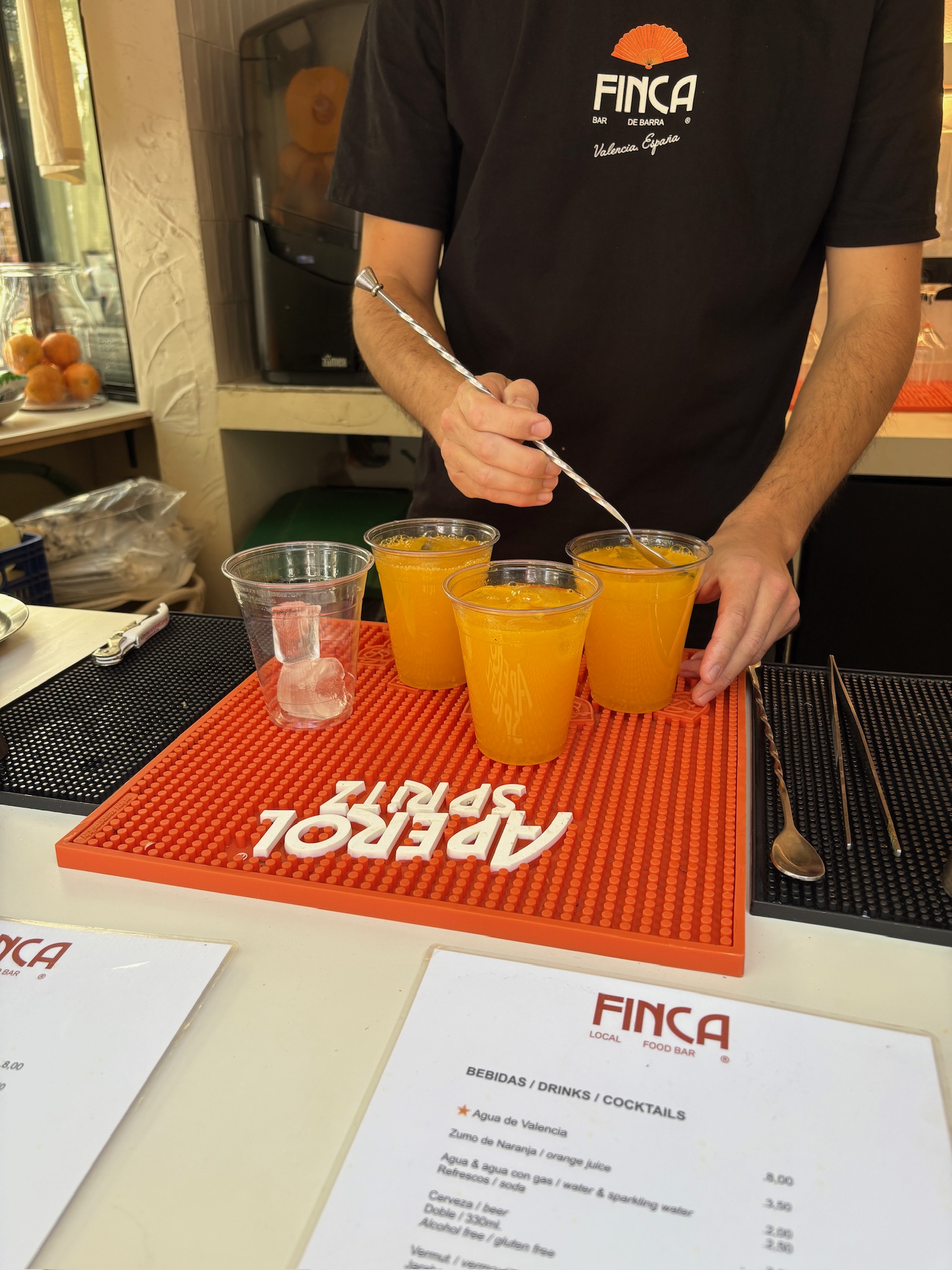
Finca Bar de Barra
A stylish open-air bar that’s perfect for grabbing a cold drink while exploring the city. This is a perfect midday stop to get the famous Agua de Valencia.
Marcabanal Food Court
A great option for groups or indecisive eaters. You’ll find everything from poke bowls to paella in a vibrant, communal setting near the beach.
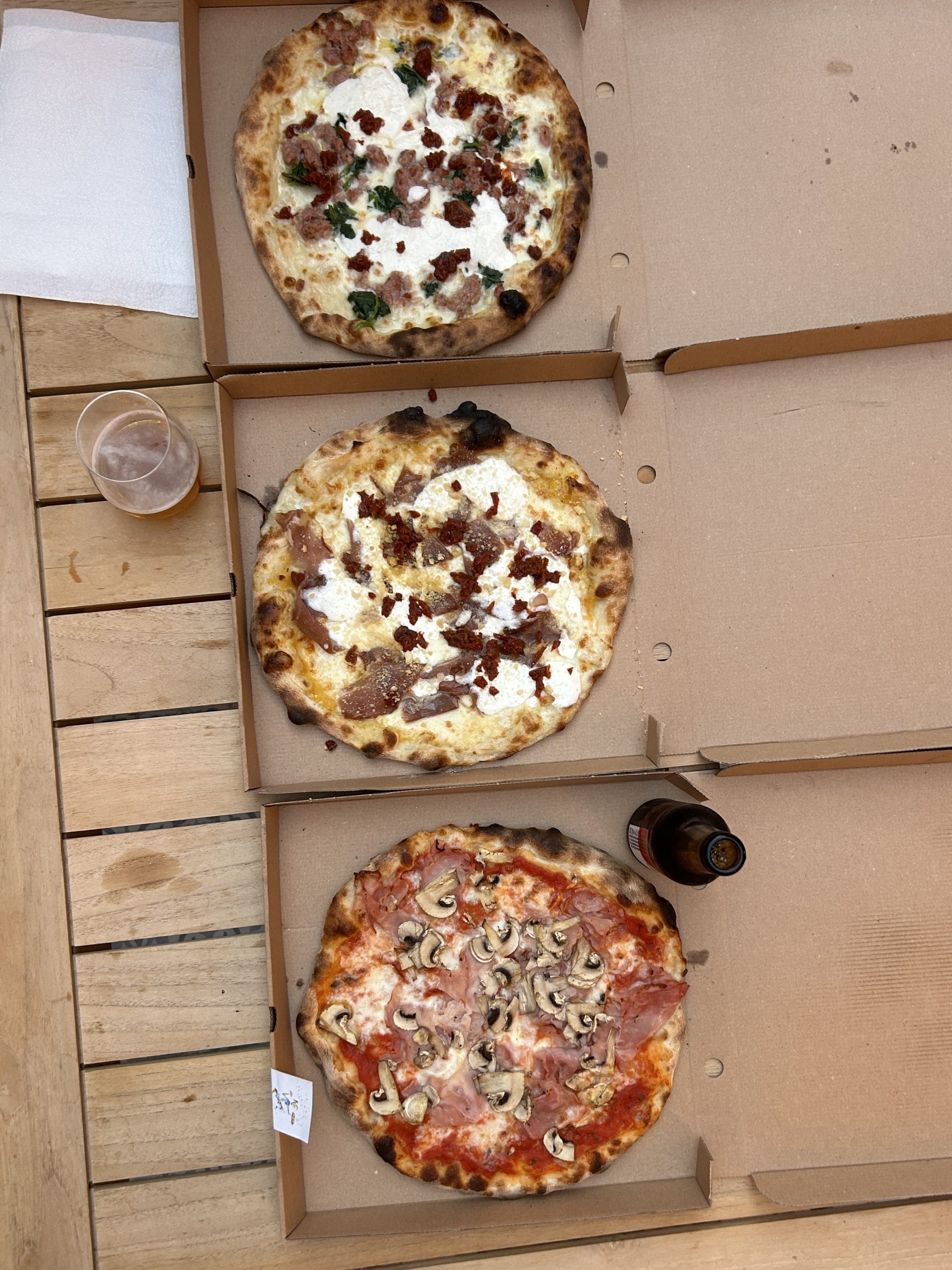
Harinella
Recommended by the locals, a low-key spot with high-quality pizza. Great for takeout after a long day, especially if you’re staying nearby.

Practical Tips
Missed but Worth Mentioning
For those with extra time, consider a trip to Albufera Natural Park, the birthplace of authentic Paella Valenciana, where visitors can enjoy traditional boat tours across the tranquil lagoon.
The Post Office, though often missed, is noted for its unexpectedly beautiful architecture. Put it on your list if you have time.
La Estrecha, often called the narrowest house in Europe, a quirky landmark in Plaza Lope de Vega, is just 107 cm wide and makes for a fun photo stop.
Fallas Festival, every March, Valencia transforms with massive papier-mâché sculptures, fireworks, and street parties. It’s one of Spain’s most vibrant festivals and a bucket-list experience if your trip lines up with the dates.
Student Discounts
Bring your student ID. Many attractions offer discounts, and those euros definitely add up.
Final Thoughts
Valencia truly is a city that invites visitors to slow down, explore, and savor its unique blend of history, creativity, and coastal calm. From the intense flavors of traditional Paella Valenciana to the vibrant street art and stunning modern architecture, Valencia delivers an unforgettable travel experience. Whether seeking cultural immersion, culinary delights, or simply a relaxing escape, this Spanish gem offers something for everyone. For those planning a broader trip along the coast, consider combining Valencia with nearby cities like Tarragona and Barcelona for a comprehensive rail-based adventure.
Stay tuned for more trip reports, reviews, and tips by following us on Instagram!