Tokyo 5 Days Itinerary: Best Things to Do, Eat, and See
From the morning calm of Sensoji Temple to the neon surge of Shibuya Crossing, we spent 5 days uncovering the best of Tokyo. This itinerary covers our favorite local eats, practical transit tips, and must see landmarks for a seamless first trip.
Tradition Meets Innovation in Japan’s Capital
Tokyo earned its reputation. This is a city where you can find complete peace at a shrine surrounded by forest, then later that same day cross Shibuya’s chaotic intersection ten times for the perfect shot. From hidden tonkatsu shops near 400-year-old temples to the immersive, high-tech digital art of teamLab, the city offers a range that rarely fails to convert even the most skeptical traveler.
A five-day itinerary provides the ideal window to experience this breadth without the pressure of a hurried pace. This guide breaks down the essential sights, standout dining, and the practical logistics required for a seamless Tokyo experience.
Best Time to Visit Tokyo
Tokyo shines during cherry blossom season in March, when parks and streets transform into pink canopies. We visited in January, and while cold, the winter trip worked perfectly for combining Tokyo with skiing at Sapporo. Winter means fewer crowds, though you’ll trade that for temperatures requiring layers.
Stay tuned for more trip reports, reviews, and tips by following us on Instagram!
Getting to Tokyo
By Air: Haneda Airport (HND) is the most convenient option, sitting much closer to central Tokyo than Narita. Most international flights now arrive at Haneda, making it the default choice for travelers.
From Haneda Airport: The Keikyu Line offers the best value for reaching most Tokyo districts. The Airport Express skips stops for faster travel. For accommodations on Tokyo’s eastern side (Asakusa, Ueno), the journey is straightforward with direct trains. Destinations like Shibuya, Harajuku, and Shinjuku require one transfer, but Google Maps makes finding the right connection simple.
Getting Around Tokyo
Tokyo’s public transportation is remarkably simple with two tools: a Suica card and Google Maps.
Suica Card: Add a Suica card to an Apple Wallet before the trip and load about ¥5,000. This digital card works on all public transportation and is accepted at most stores and restaurants. Travelers without iPhones can purchase a physical Suica card at any JR East Travel Service Center upon arrival.
Navigation: Google Maps is essential. It provides step-by-step directions for every journey, showing which trains to take and exact travel times. We relied on it constantly.
Accommodation
Consider staying north of Sensoji Temple in Asakusa. Unlike Shibuya and Shinjuku, which pulse with energy around the clock, Asakusa transforms into a peaceful neighborhood after dark. This contrast between daytime energy and nighttime quiet provided the perfect base for rest between long days of exploring.
Tokyo Day-by-Day Itinerary
Itinerary Snapshot
- 1Day
Sensoji Temple
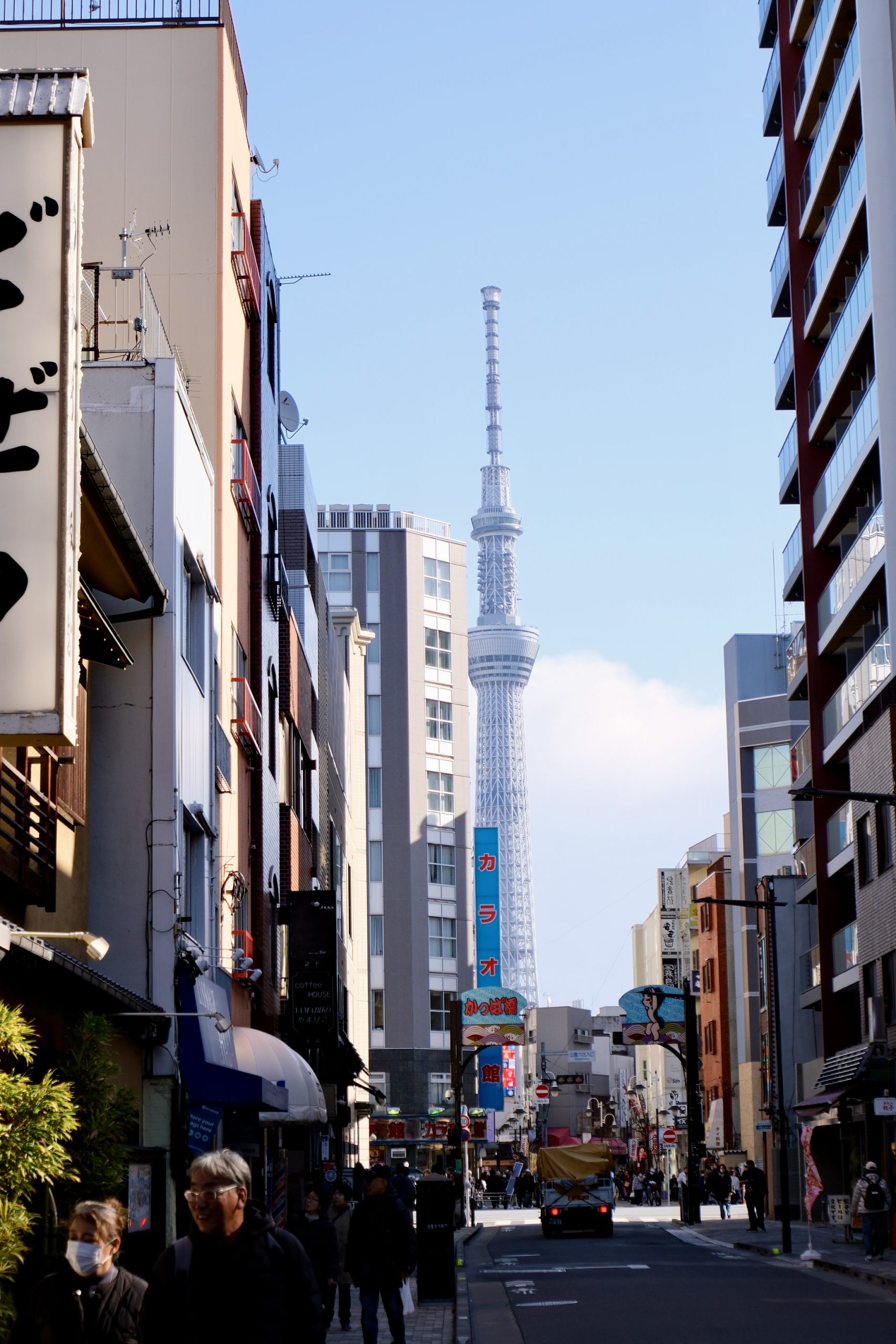
Kappabashi Town, Tokyo Skytree
- 2Day
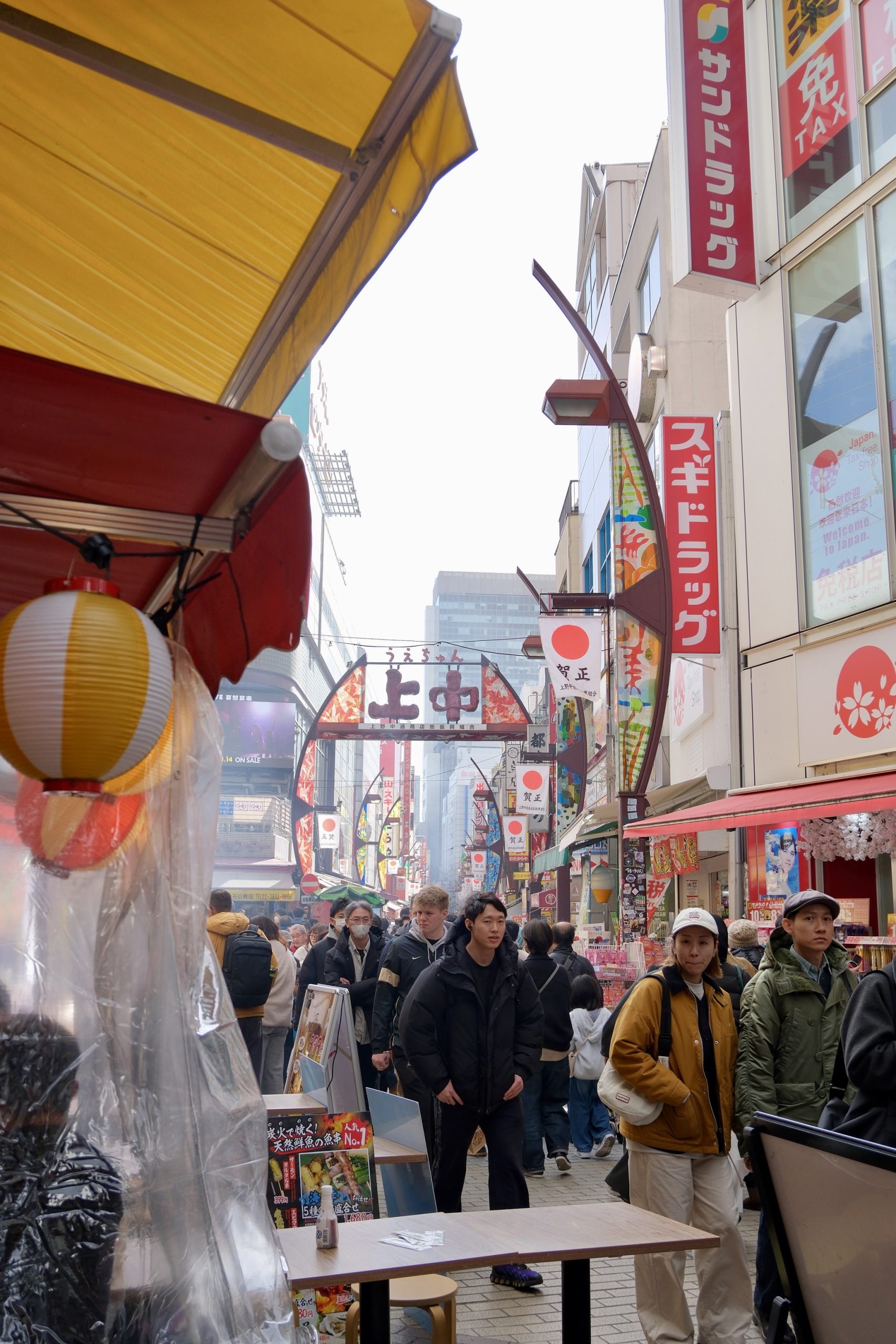
Ameyoko Market
Hinoya denim shop, Ueno Park, Tokyo National Museum
- 3Day
Meiji Jingu
Harajuku, Omotesando, Shibuya Crossing, Hachikō Statue, Miyashita Park, Omoide Yokocho, 3D Cat Billboard, Godzilla Head
- 4Day
teamLab Borderless
Zōjō-ji Temple, Shiba Park, Tokyo Tower, Fine-Dining
Itinerary Snapshot · continued
- 5Day
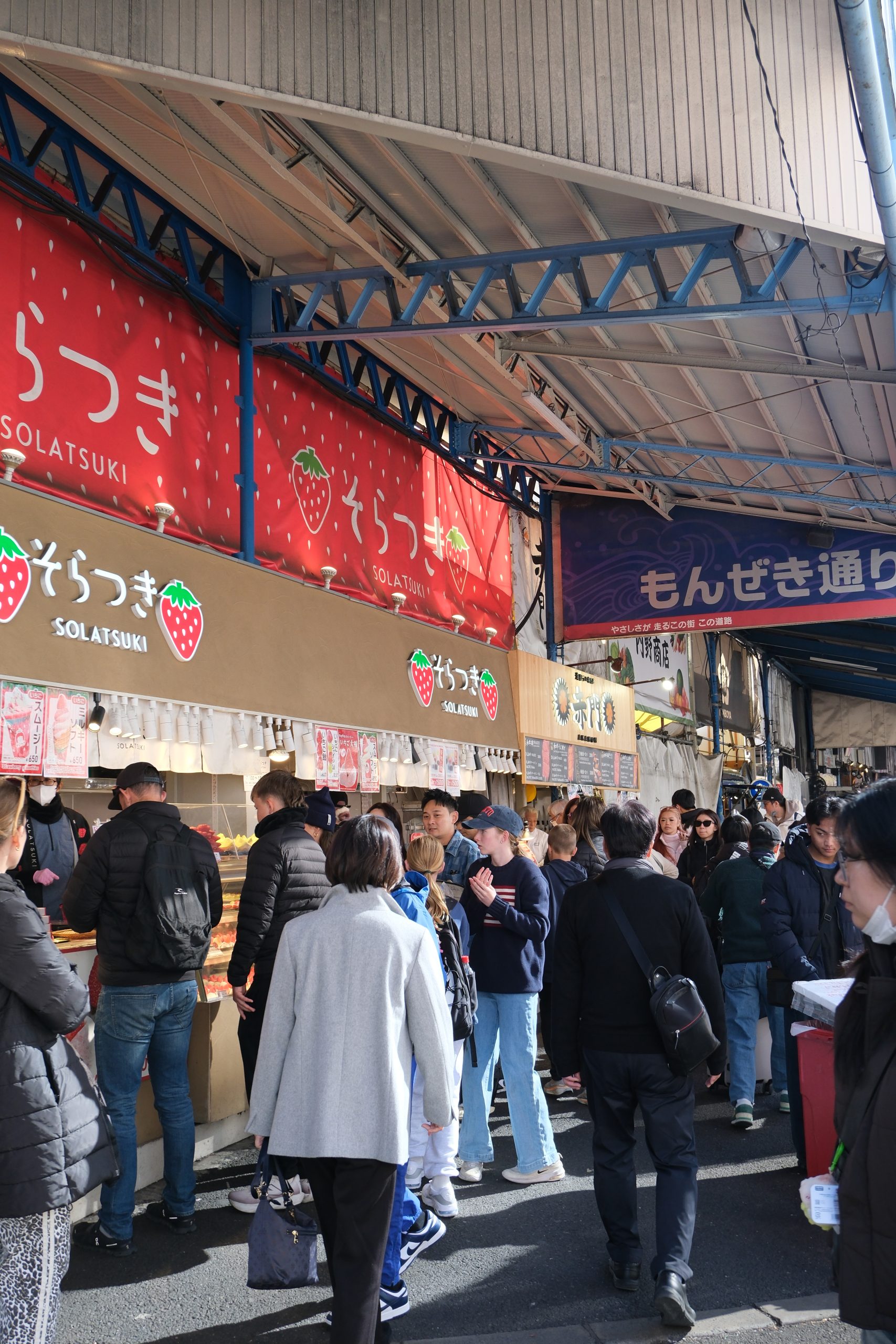
Tsukiji Market (Maguroya Kurogin)
Ginza shopping , Imperial Palace
- +
Day Trip (Optional)
Mount Fuji popular scenic spot (Klook Tour)
Day 1 – Ancient Temple & City Lights
Sensō-ji
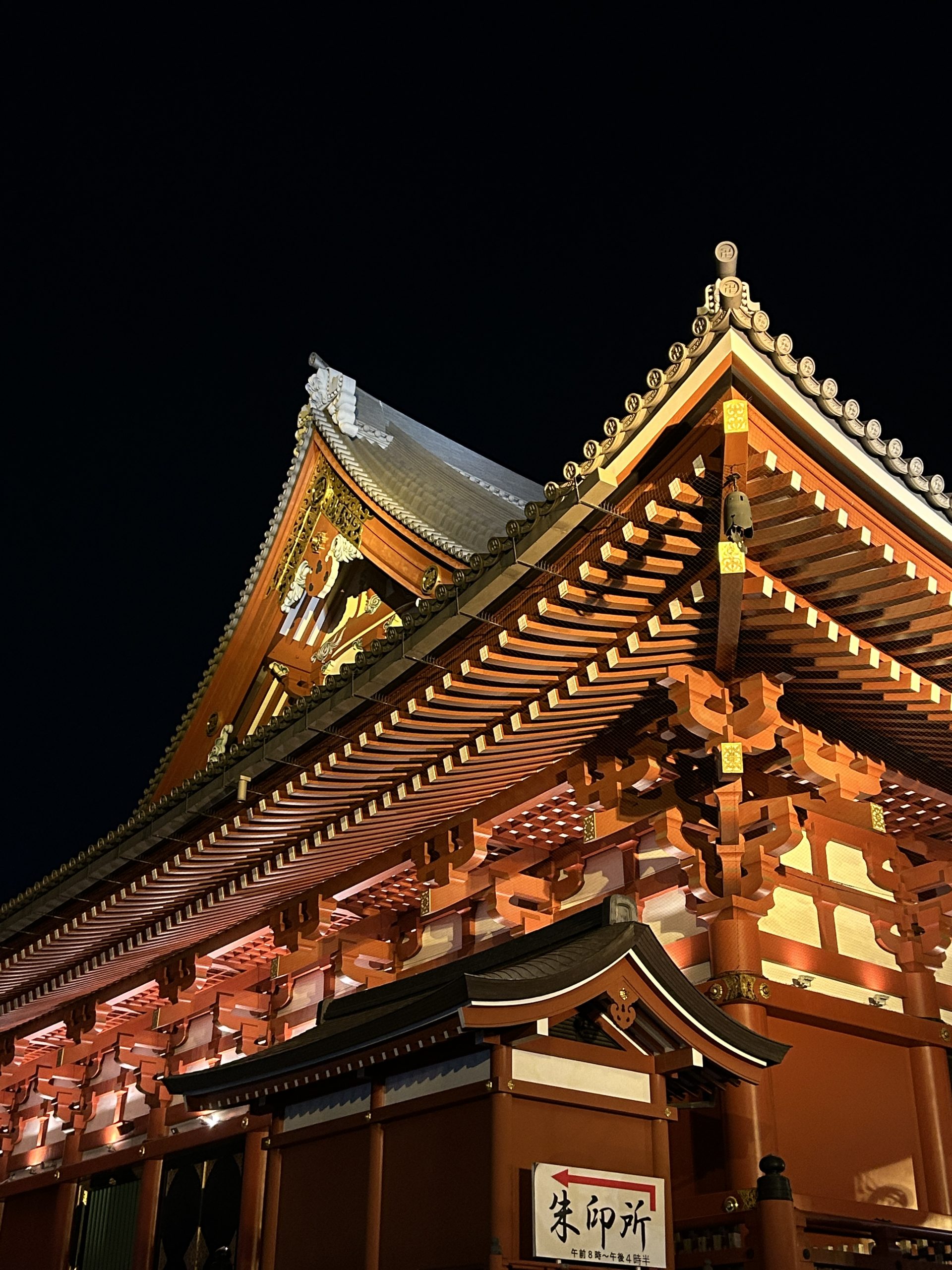
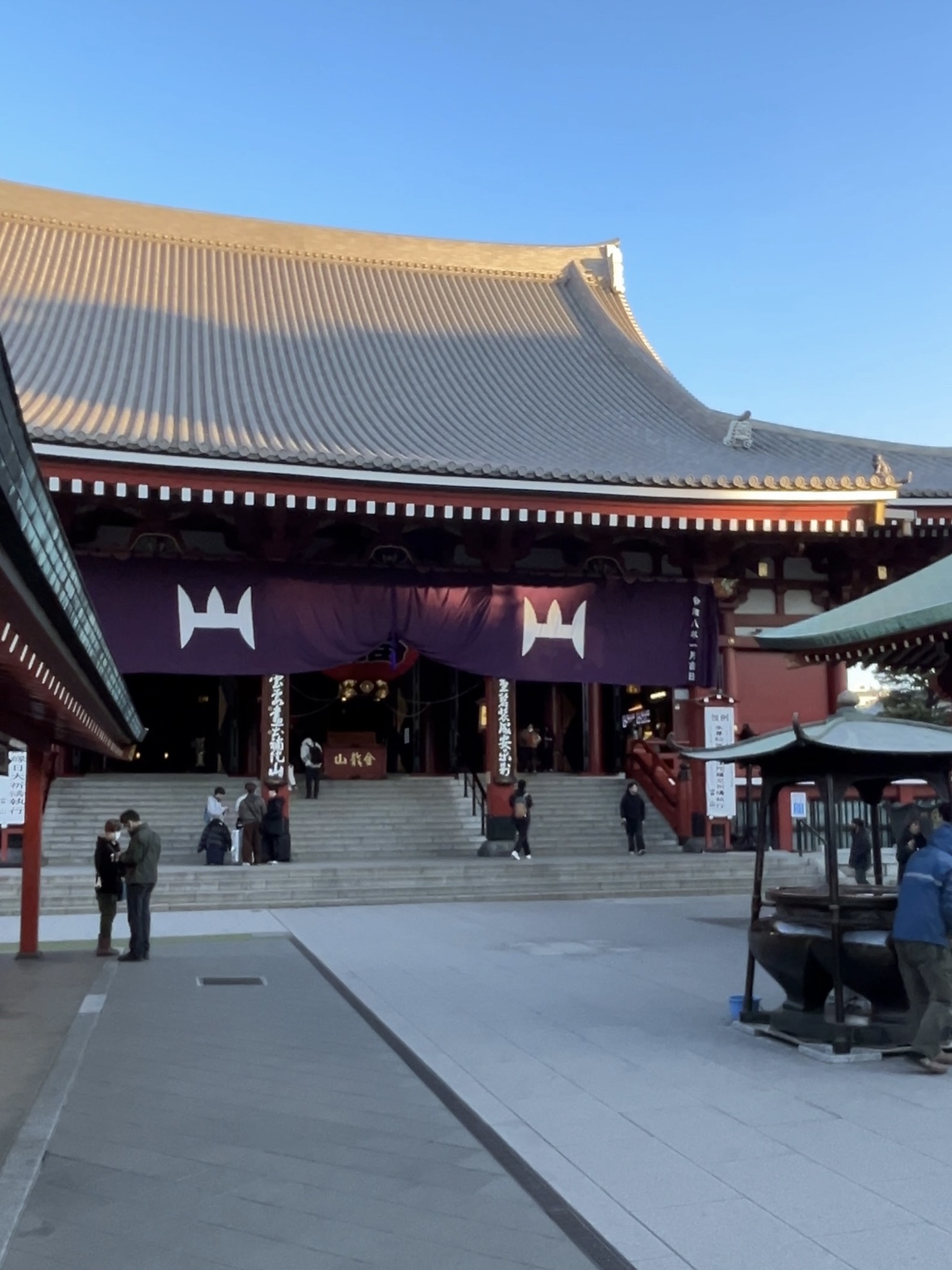
A trip to Tokyo isn’t complete without Sensoji Temple. Go early to beat the crowds on Nakamise-dori, the temple approach lined with souvenir shops and snack stalls. Then return at night when the lanterns light up the temple. The contrast between morning chaos and evening calm is worth experiencing. While there, the omikuji fortune-telling station offers a small look into local tradition; a ¥100 donation allows you to draw a numbered slip and receive a printed fortune.
Kappabashi Town
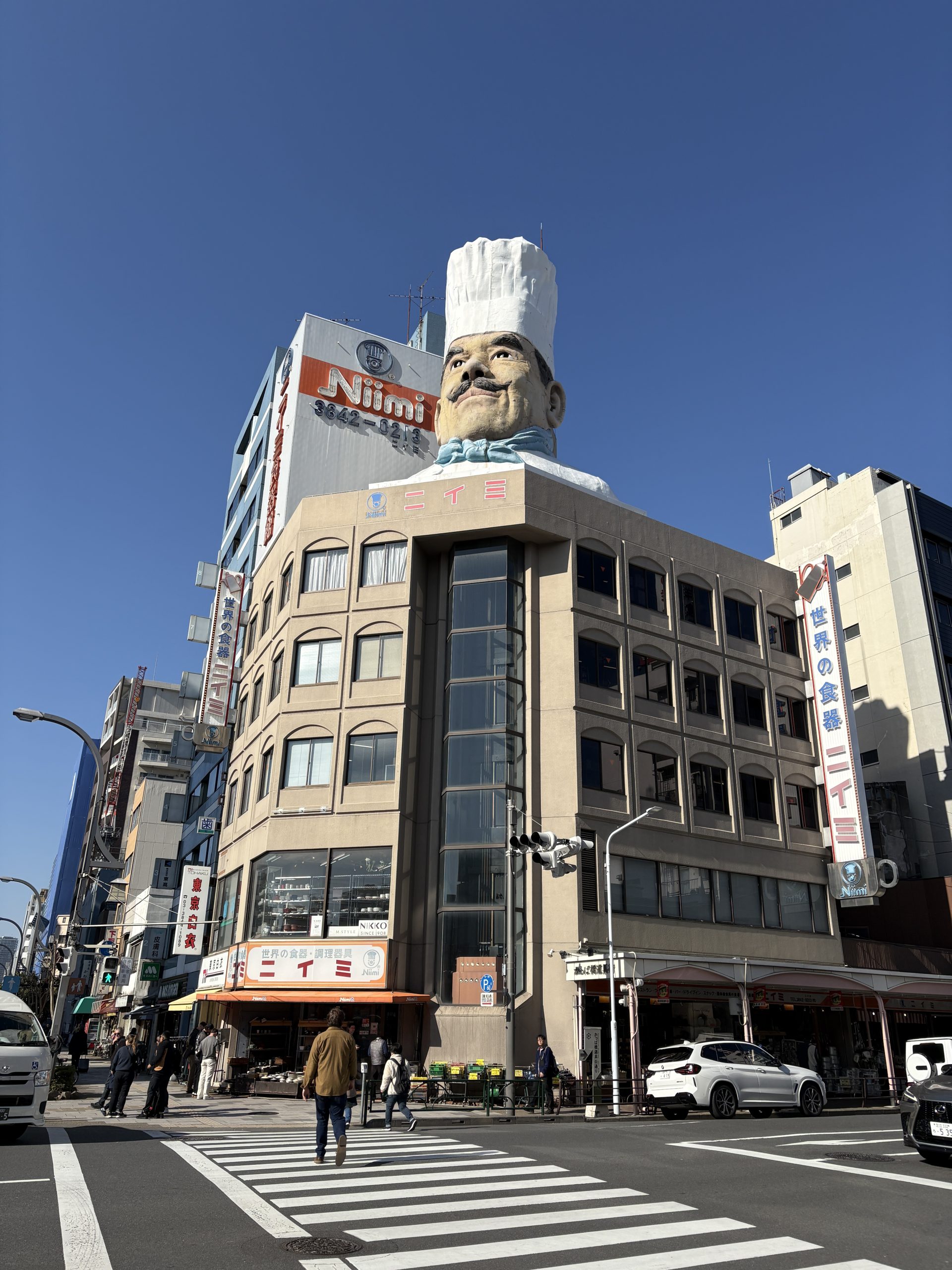
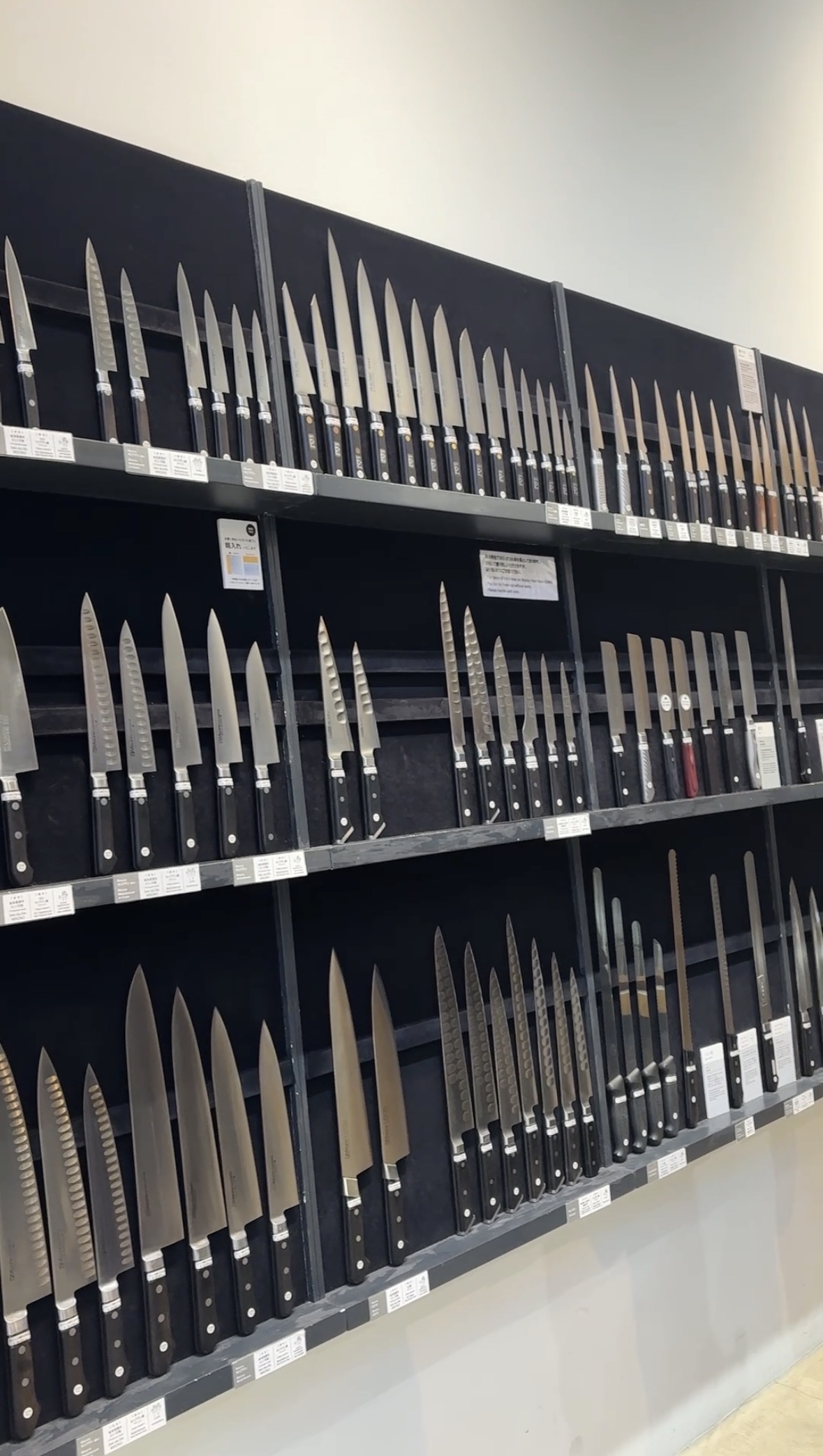
For kitchen supplies, head to Kappabashi Town near Sensō-ji. This is the spot to grab quality Japanese kitchen knives. The area is filled with specialty stores selling everything from ceramics to restaurant equipment.
Tokyo Skytree
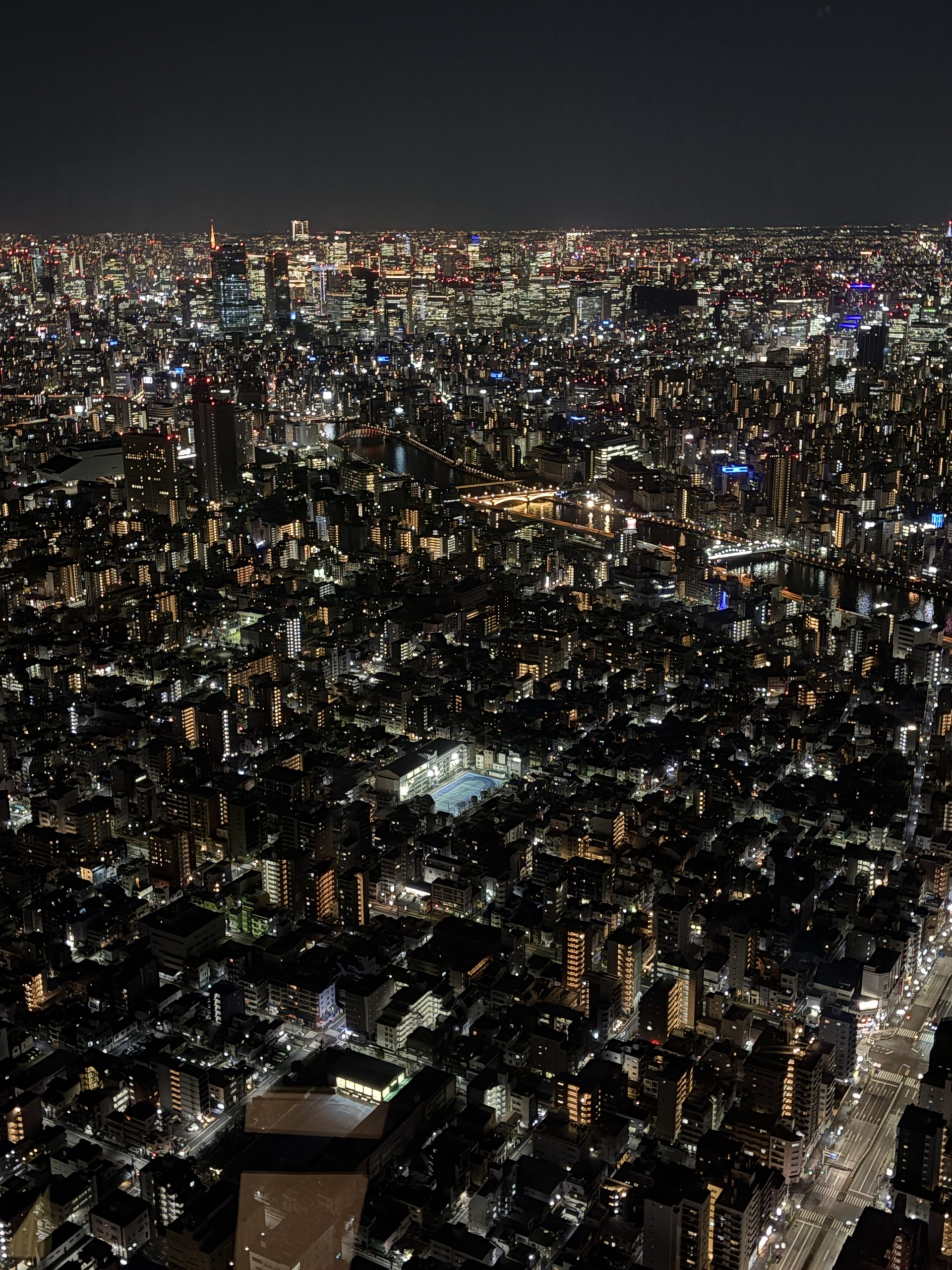
To avoid long elevator wait times, booking the last time slot at 8:30 PM is the solution. While this means missing the sunset, it ensures minimal crowds and faster elevator access. The night view of Tokyo spread out below is entirely worth it. Tembo Deck is recommended over Galleria, as Galleria’s views are often blocked by building beams. Tickets cost around ¥2,100 for the Tembo Deck(check Klook for deals). Book in advance.
Day 2 – Markets, Parks & Museums
Ameyoko Market
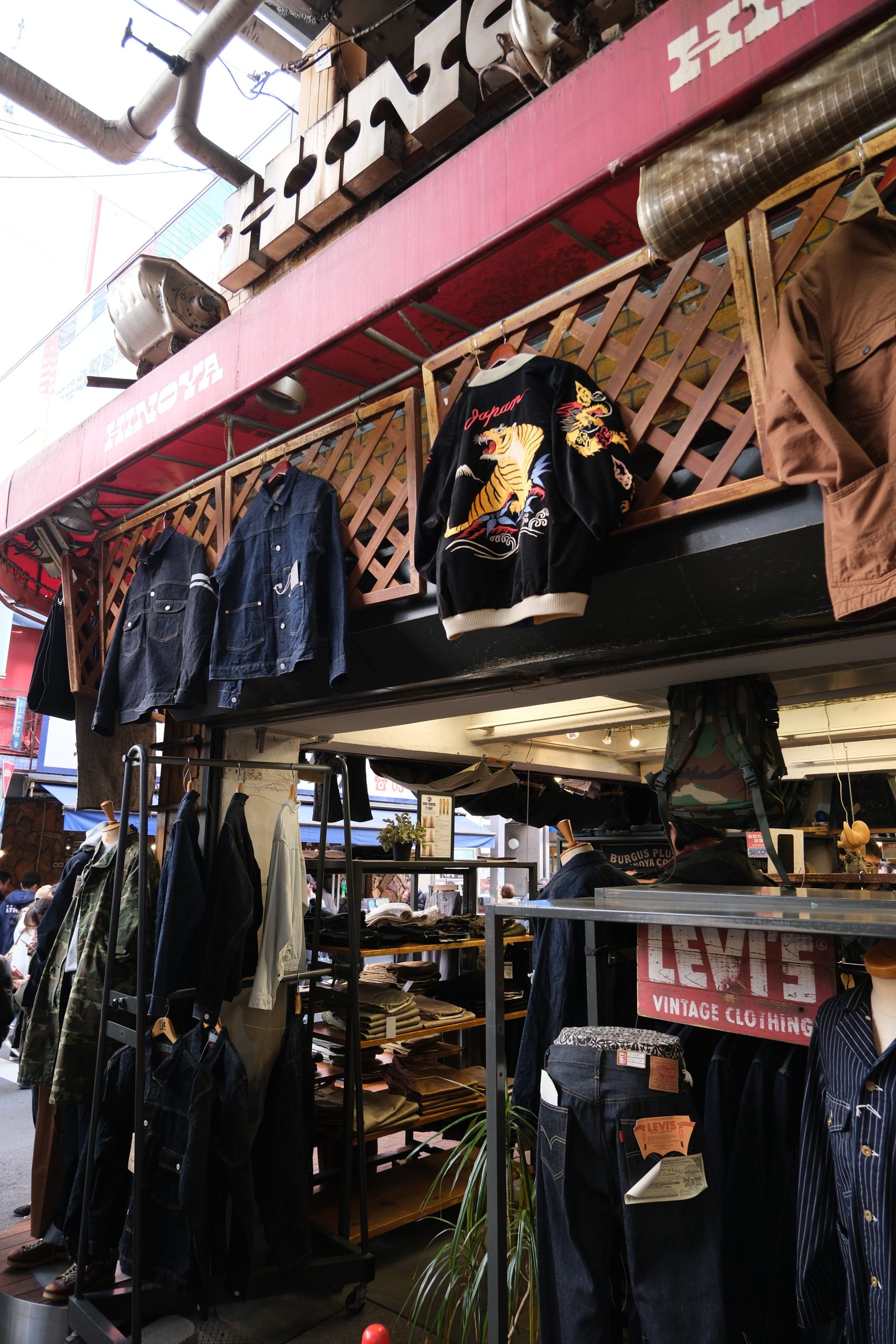
Once a post-WWII black market, Ameyoko has evolved into Tokyo’s most vibrant street market, with over 400 shops. The energy here feels more raw and local than other shopping districts. You’ll find everything from vintage finds to luxury items. For quality denim, Hinoya specializes in premium Japanese brands.
Ueno Park
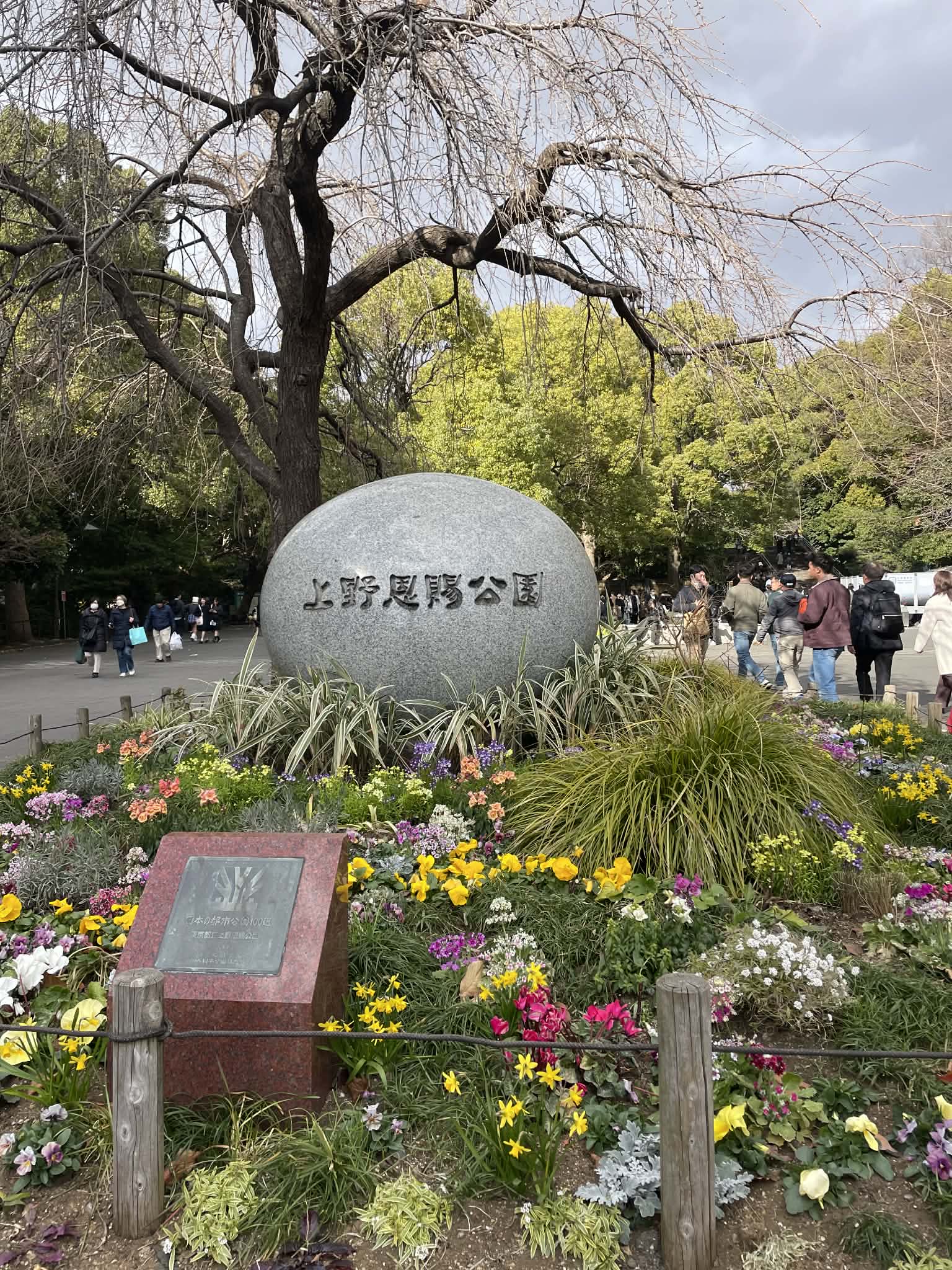
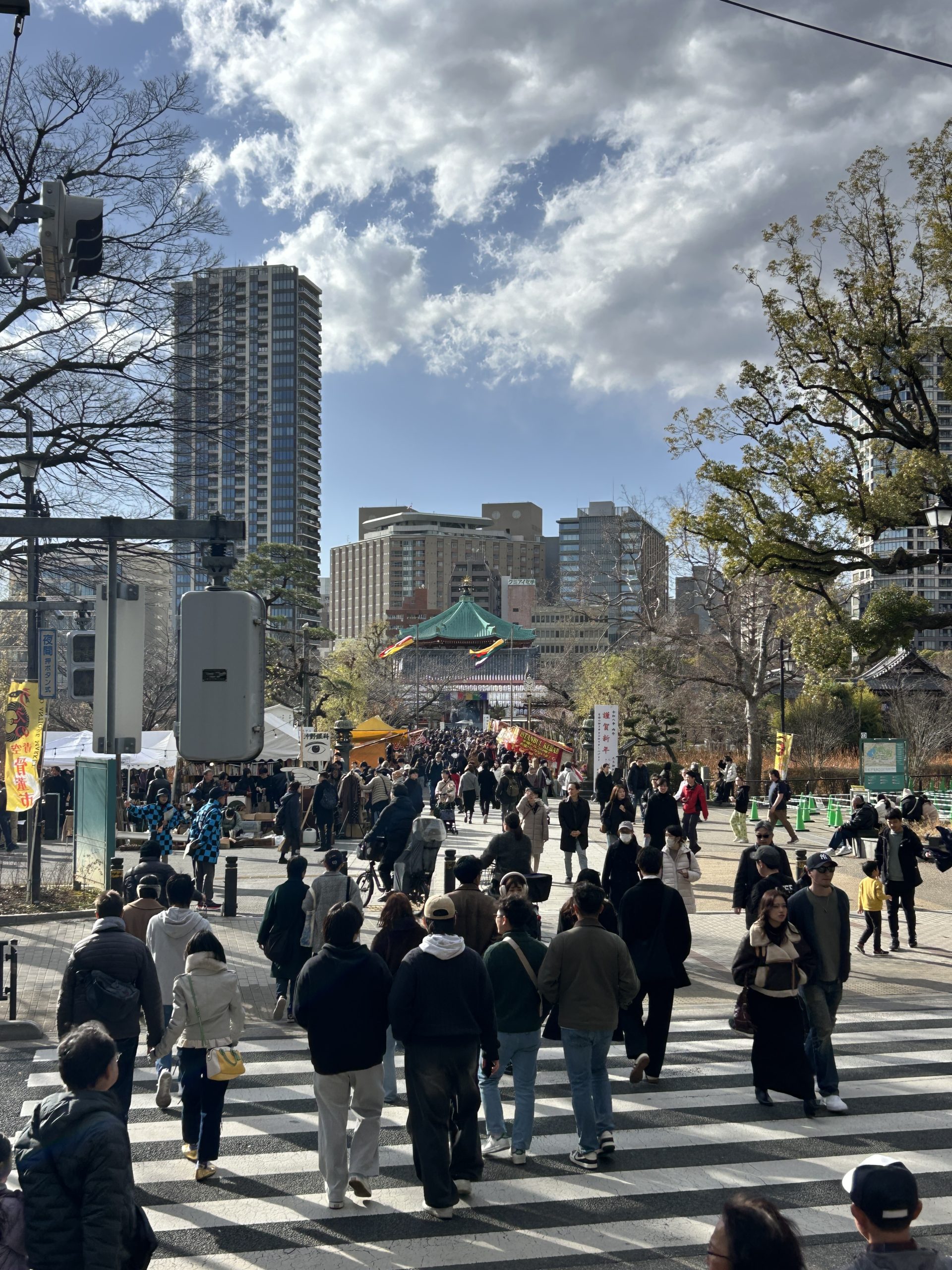
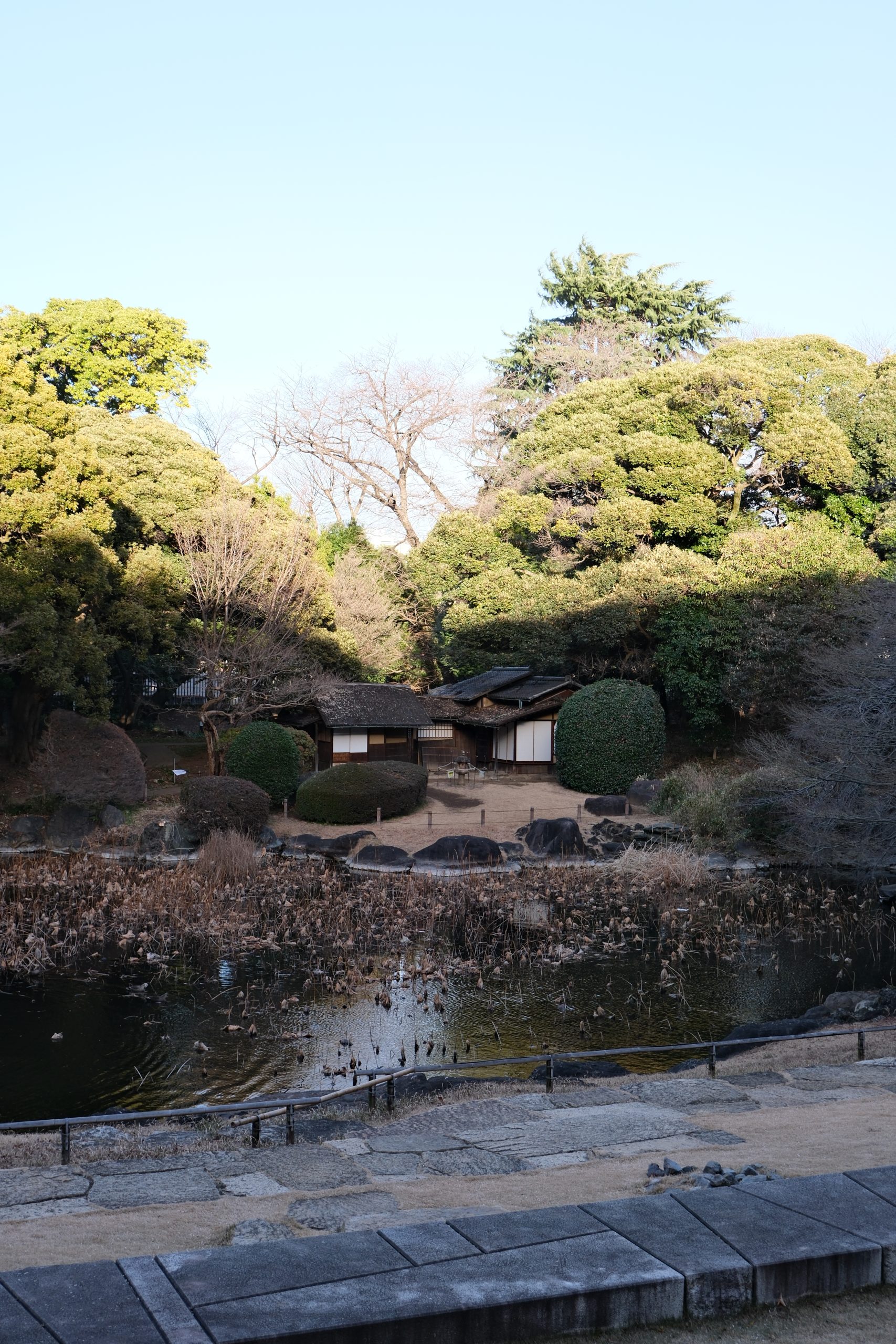
After eating at Ameyoko, a walk through Ueno Park provides a welcome reset. Various booths outside the zoo sell Japanese antiques and souvenirs worth browsing. Note that the giant panda exhibit at Ueno Zoo has ended. In winter, when boat riding on Shinobazu Pond is unavailable, walking to the Tokyo National Museum at the park’s far end is a great alternative.
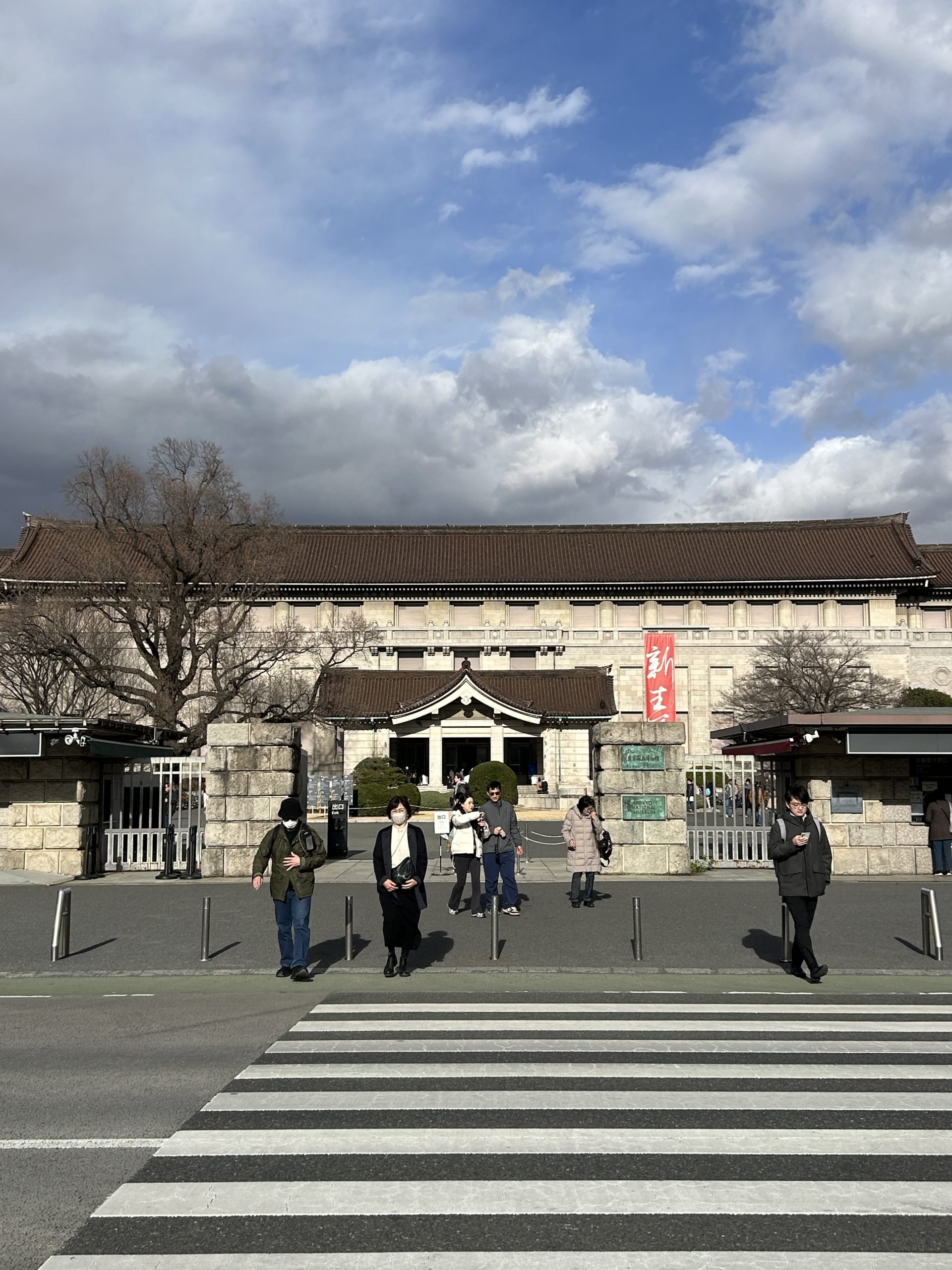
Tokyo National Museum
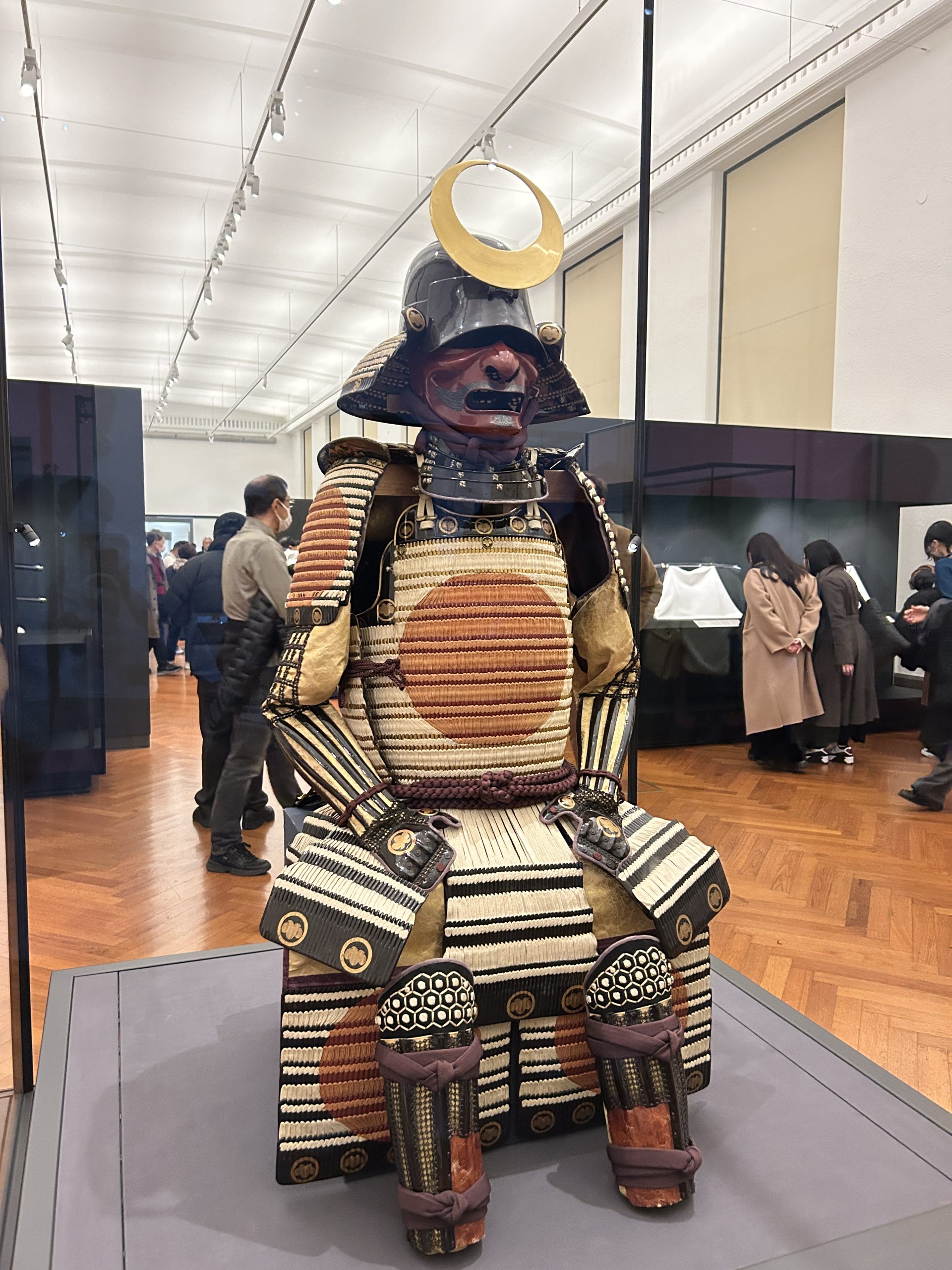
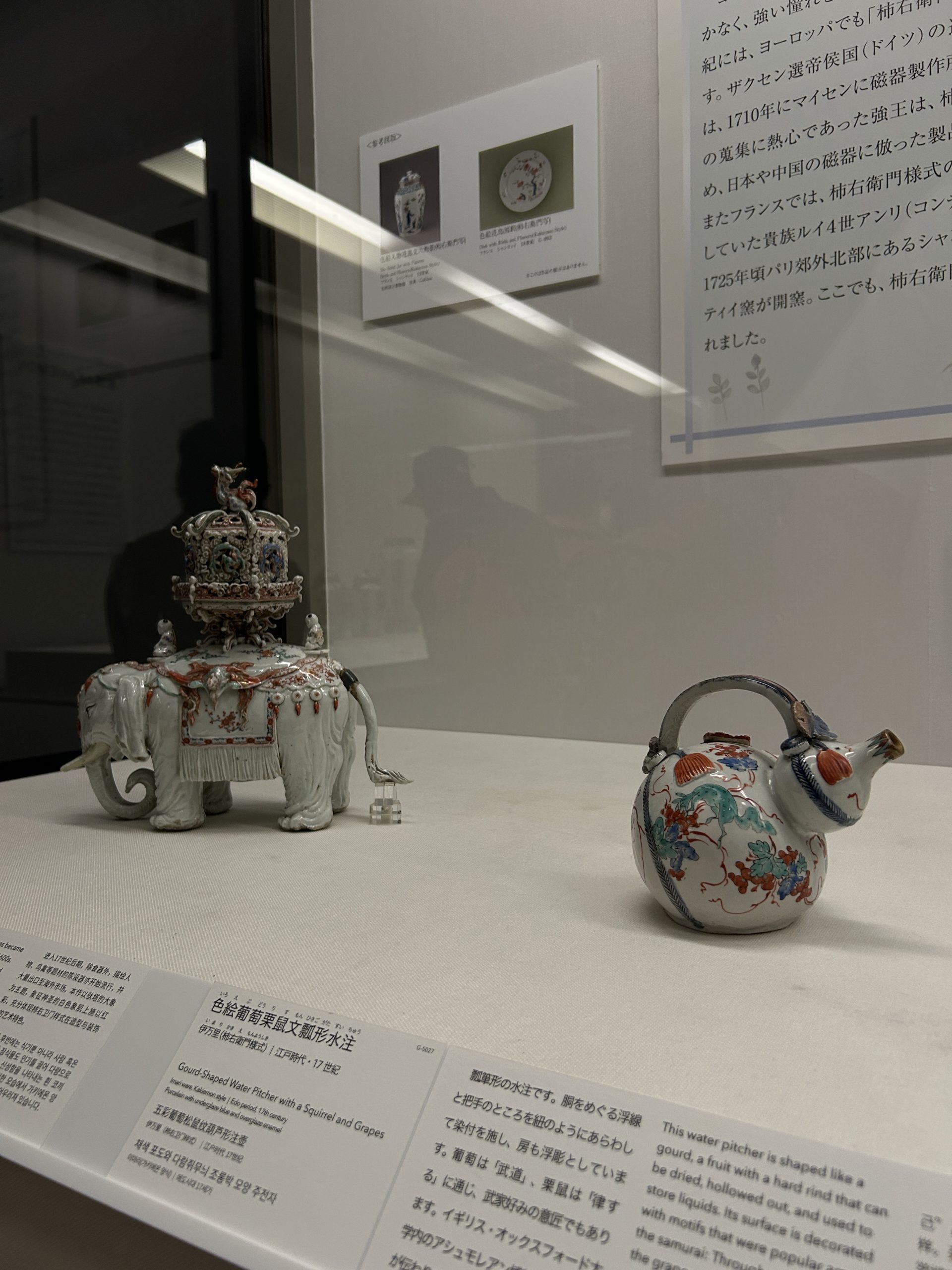
The Tokyo National Museum offers an excellent introduction to Japanese art and history. For a quicker visit, focus on the main Japanese Gallery (Hokan), which presents a concise, chronological overview. Entry costs ¥1,000 for adult and ¥500 student. Budget at least an hour for the main gallery.
Day 3 – Shrines, Shopping & Neon Nights
Meiji Jingu
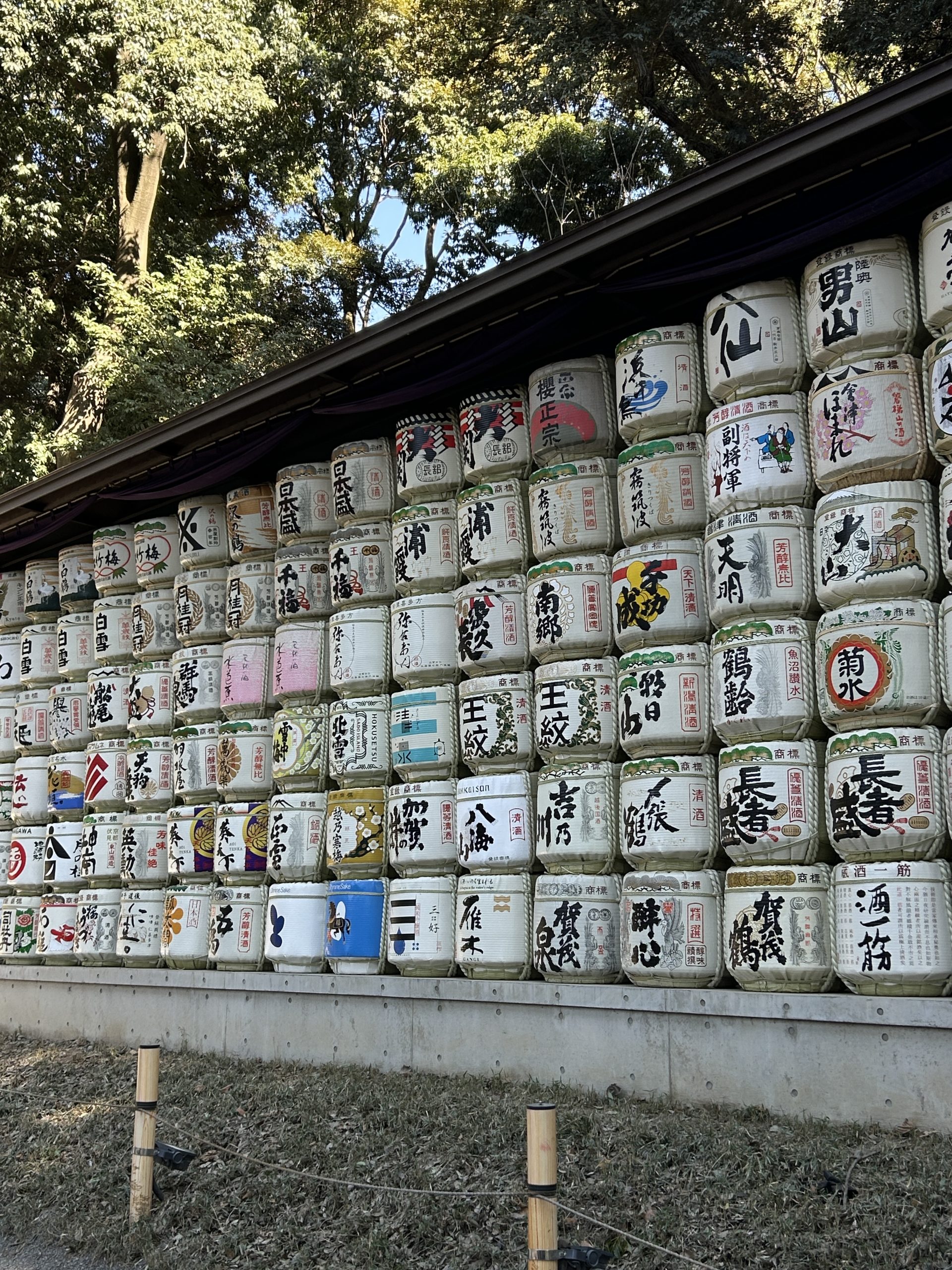
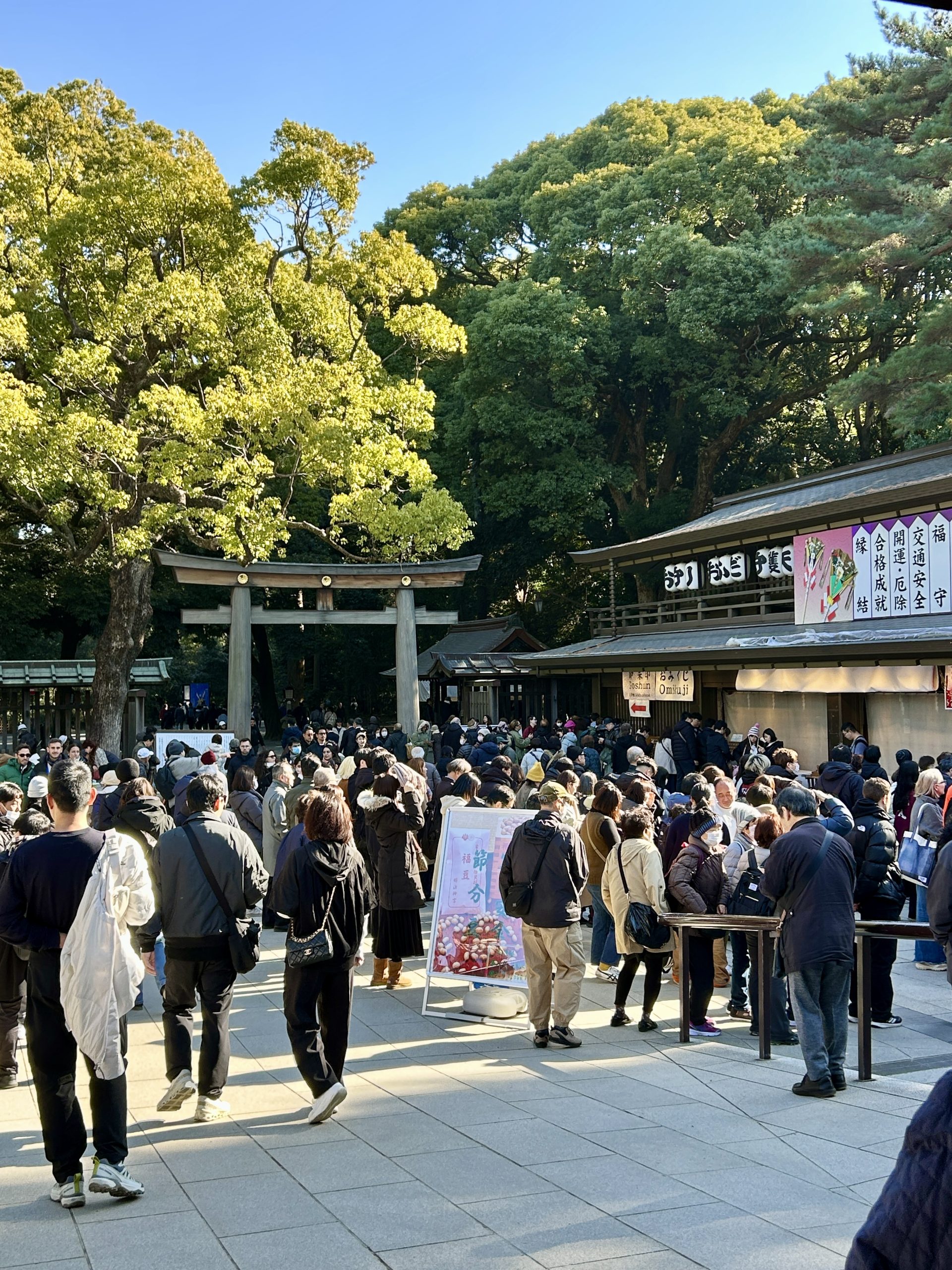
Meiji Jingu offers a peaceful escape from Tokyo’s chaos. Despite sitting between Shibuya and Shinjuku, the shrine is surrounded by forest that muffles the city noise. Walking the tree-lined path to the shrine grounds gives you a sense of Japanese traditions and a moment to reset. Enter from the Yoyogi side and walk toward Harajuku.
Harajuku
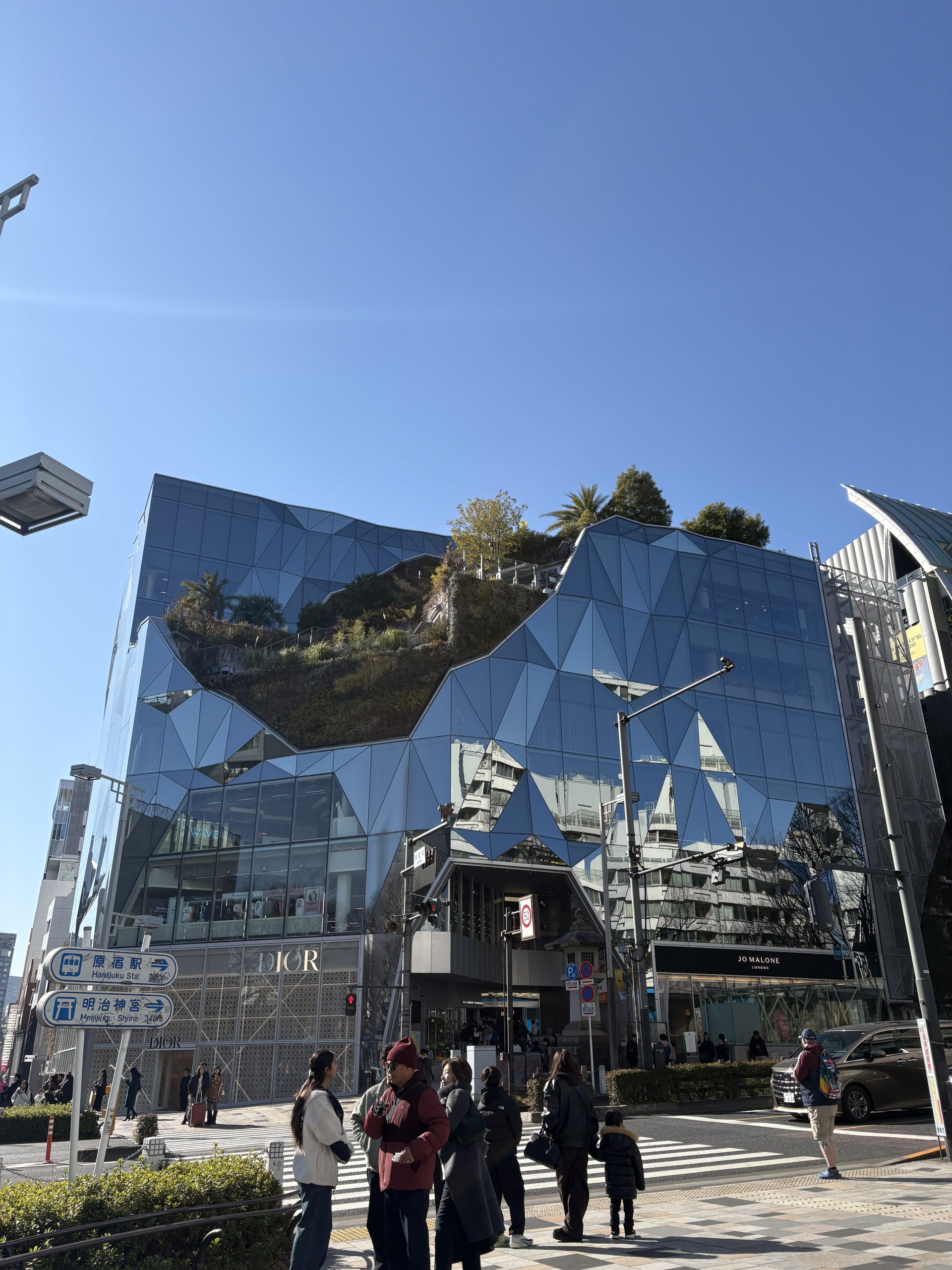
This route leads you into a surprisingly overlooked shopping areas. Harajuku’s streets feel less crowded than Shibuya and Shinjuku, making for a more pleasant shopping experience. Continue to Omotesando for wild architecture and high-end boutiques.
Shibuya Crossing
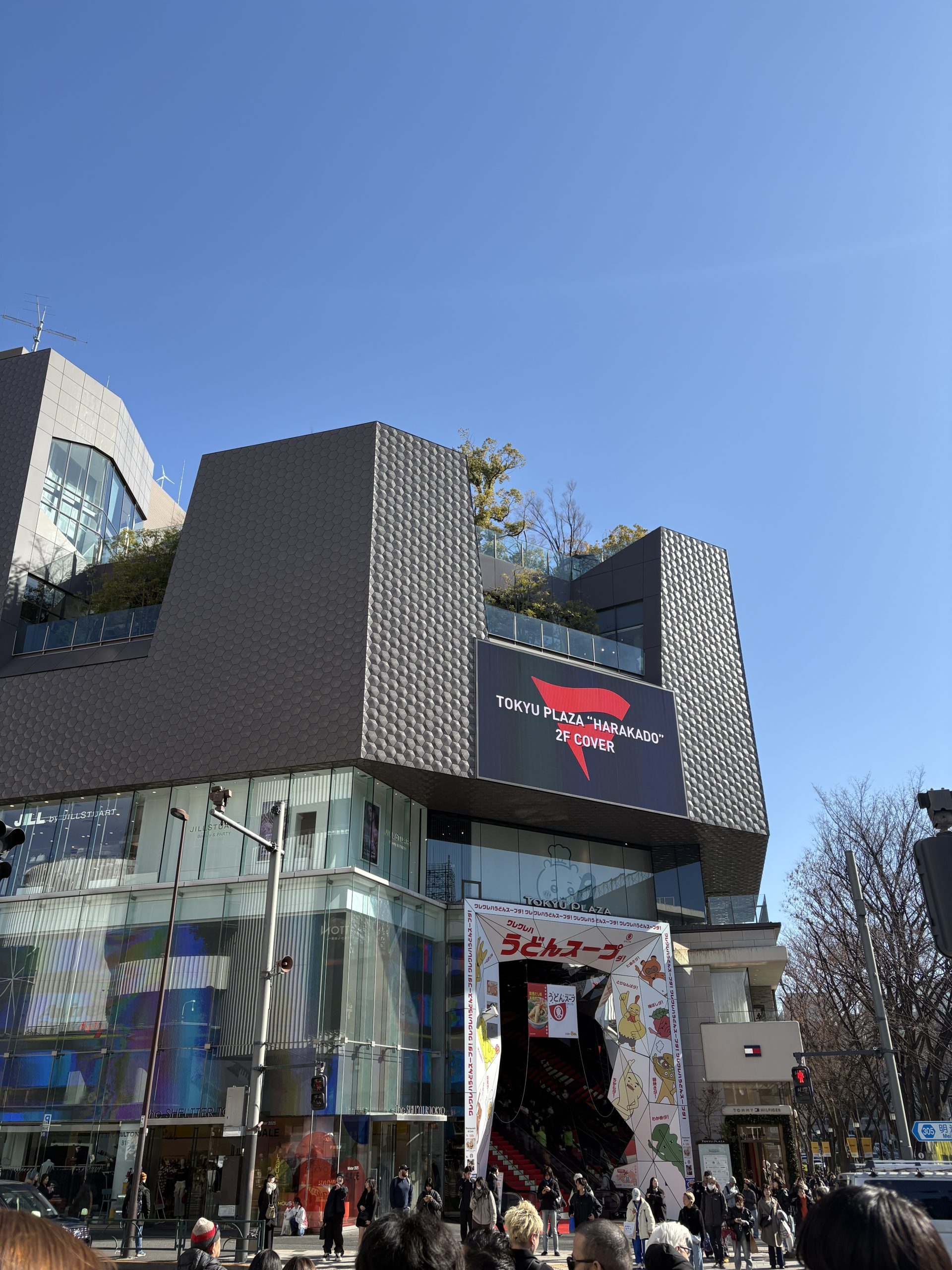
Shibuya Crossing is a must-see. The world’s busiest intersection lives up to the hype. When the light turns green, join the surge and run across to capture the moment. We crossed it at least ten times over thirty minutes just to get the perfect shot. Don’t rush it.
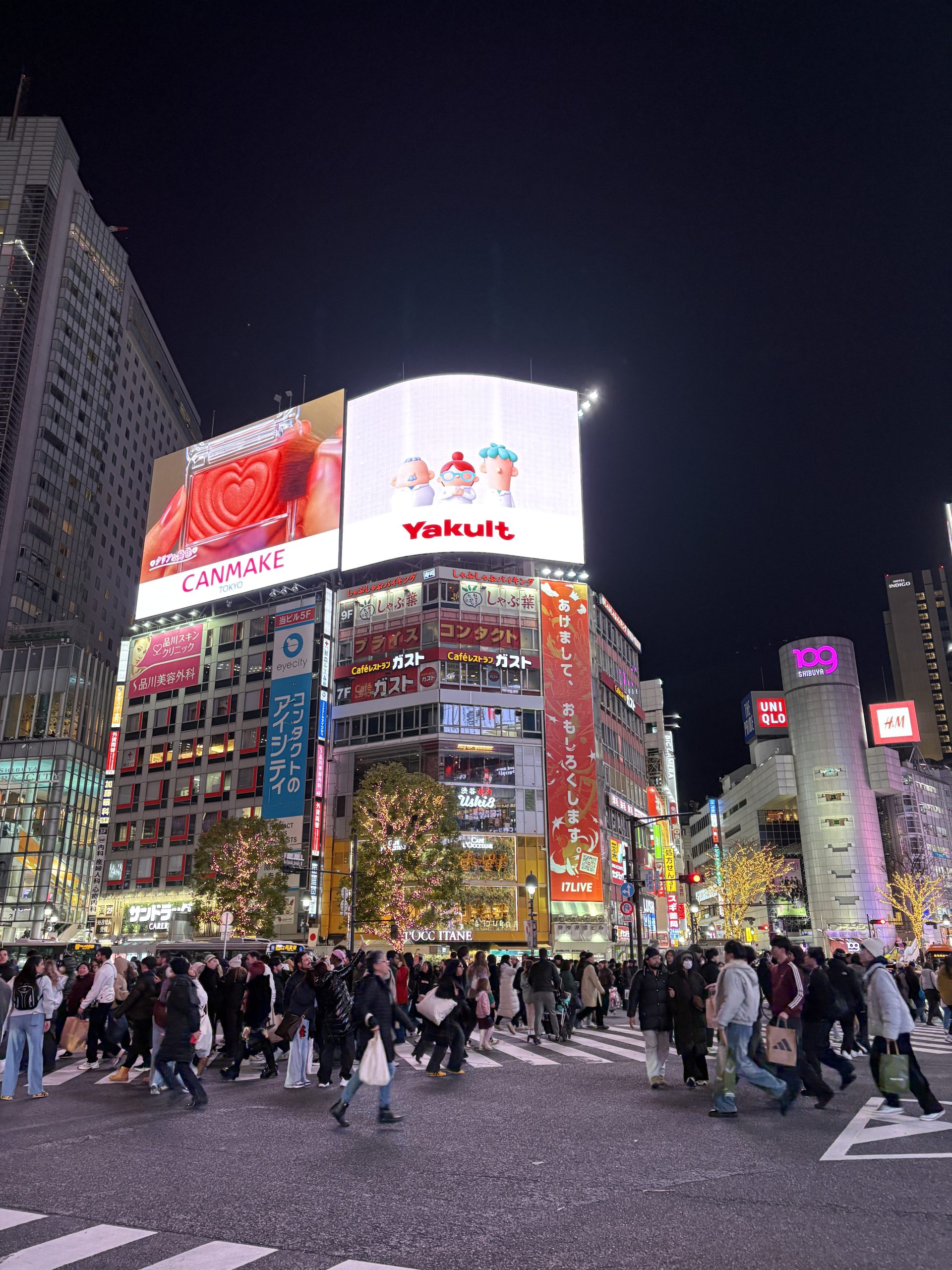
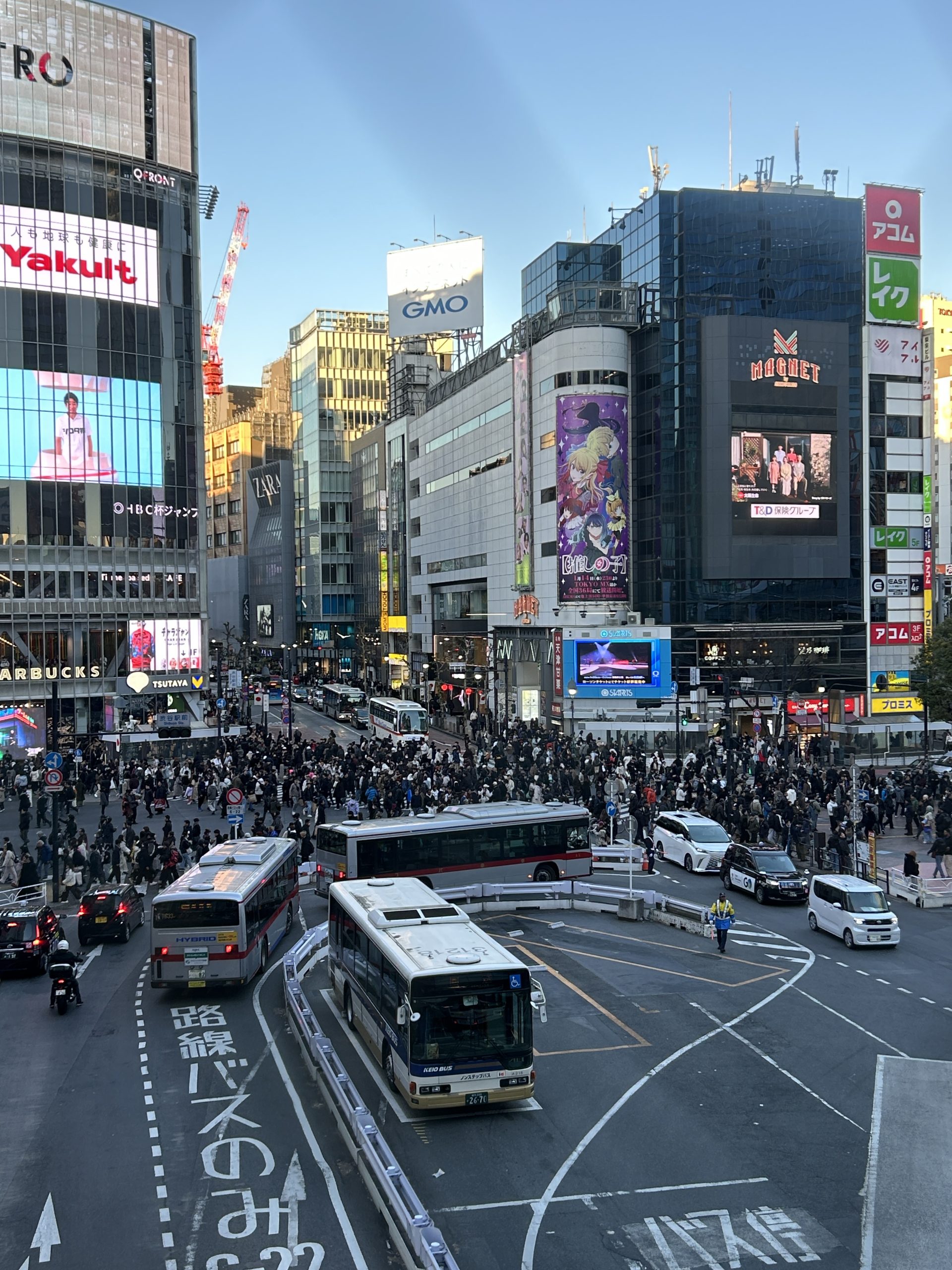
For a free overhead view, head to the Shibuya Mark City hallway, about a three-minute walk away.
Hachikō Statue
Located right by Shibuya Crossing, the Hachikō Statue represents unconditional love and loyalty. It’s a quick stop worth making.
Miyashita Park
After photographing Shibuya Crossing, head to Miyashita Park for dining and shopping. A lengthy rooftop park runs through the complex, creating a unique walking experience. During our visit, the park was filled with teenagers making TikTok videos, giving it notably lively energy.
Omoide Yokocho
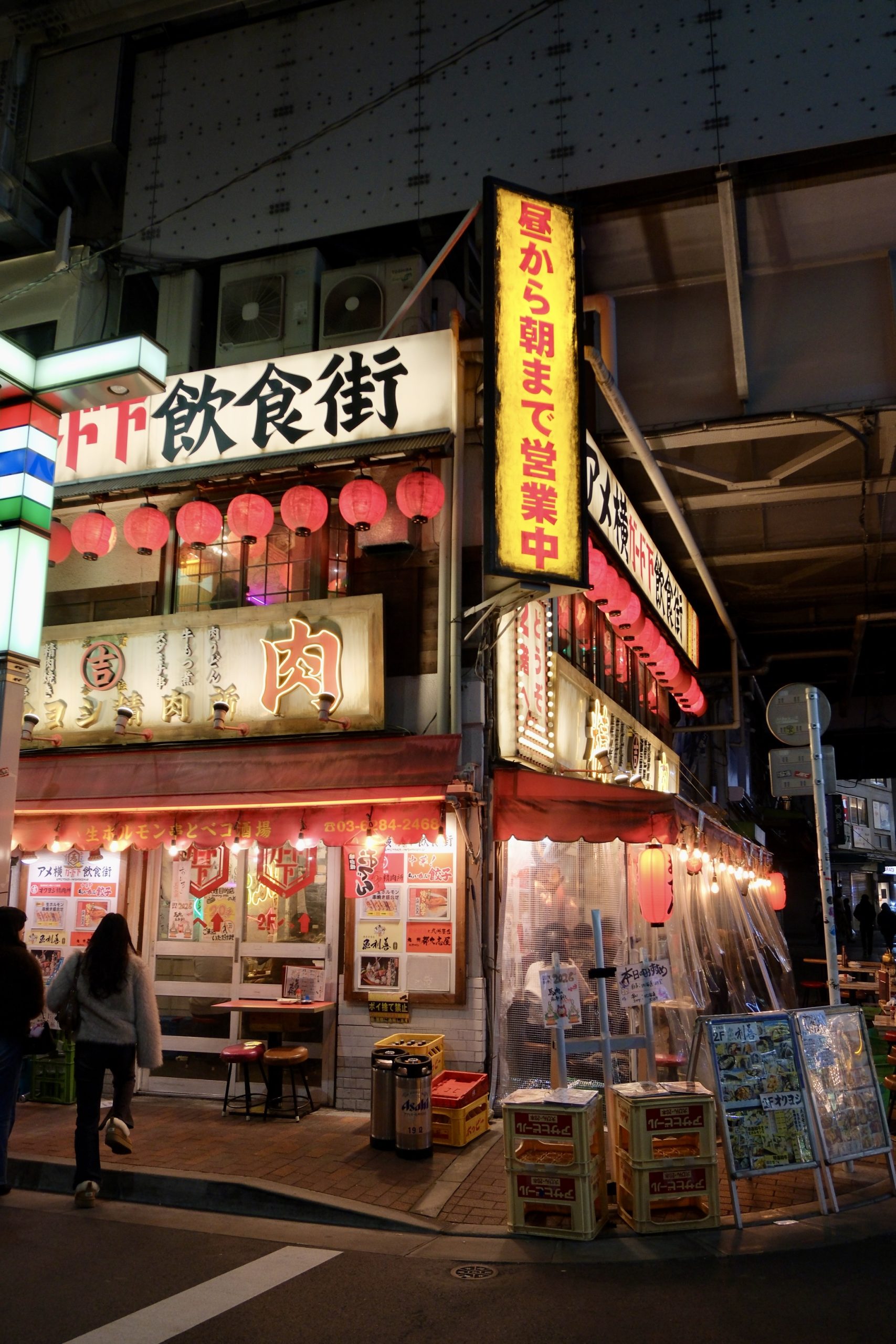
A narrow alley next to Shinjuku Station, famous for its izakaya and yakitori spots. Most establishments are tiny, seating only five to eight people. The alley atmosphere captures a particular side of Tokyo nightlife.
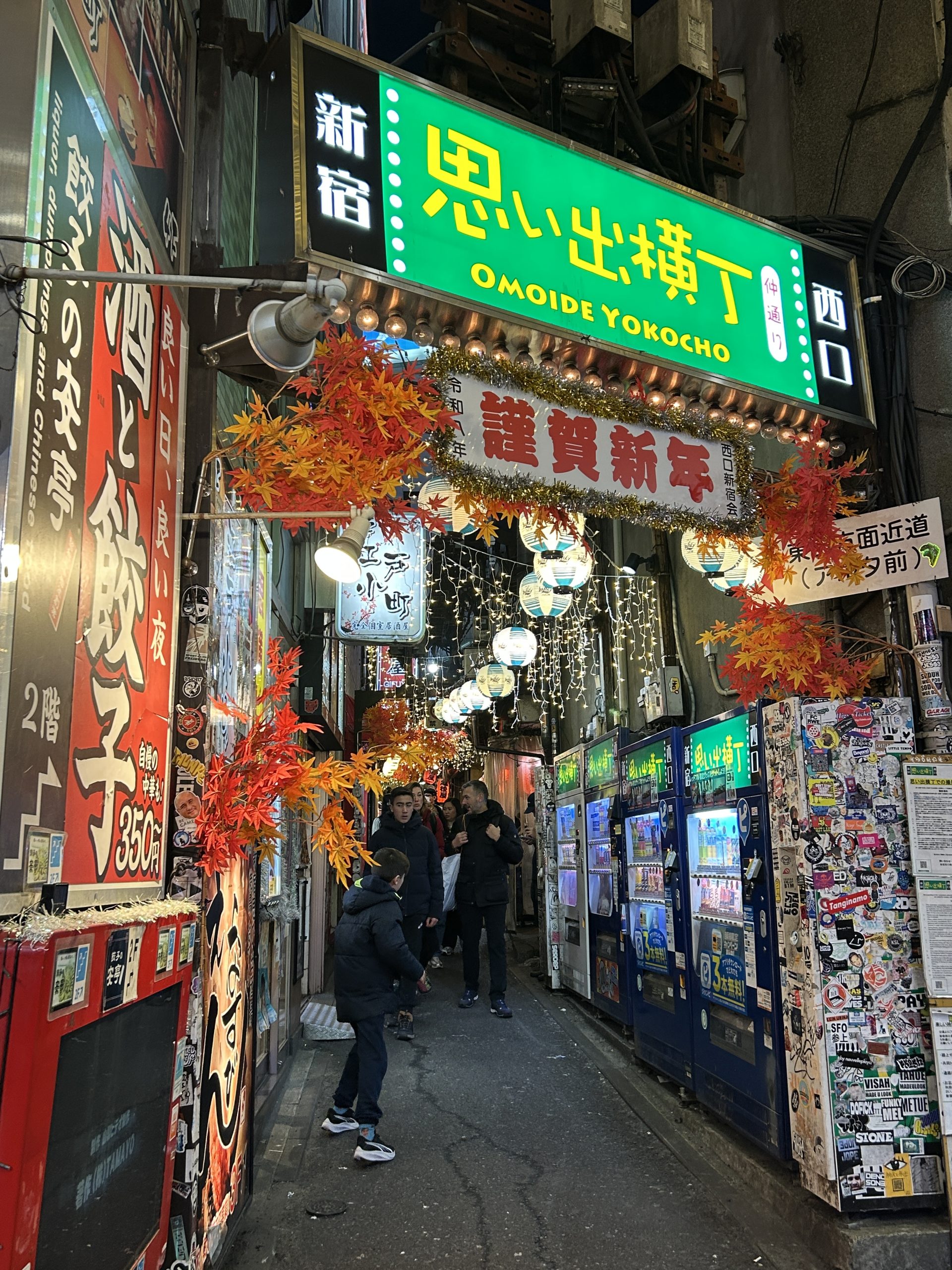
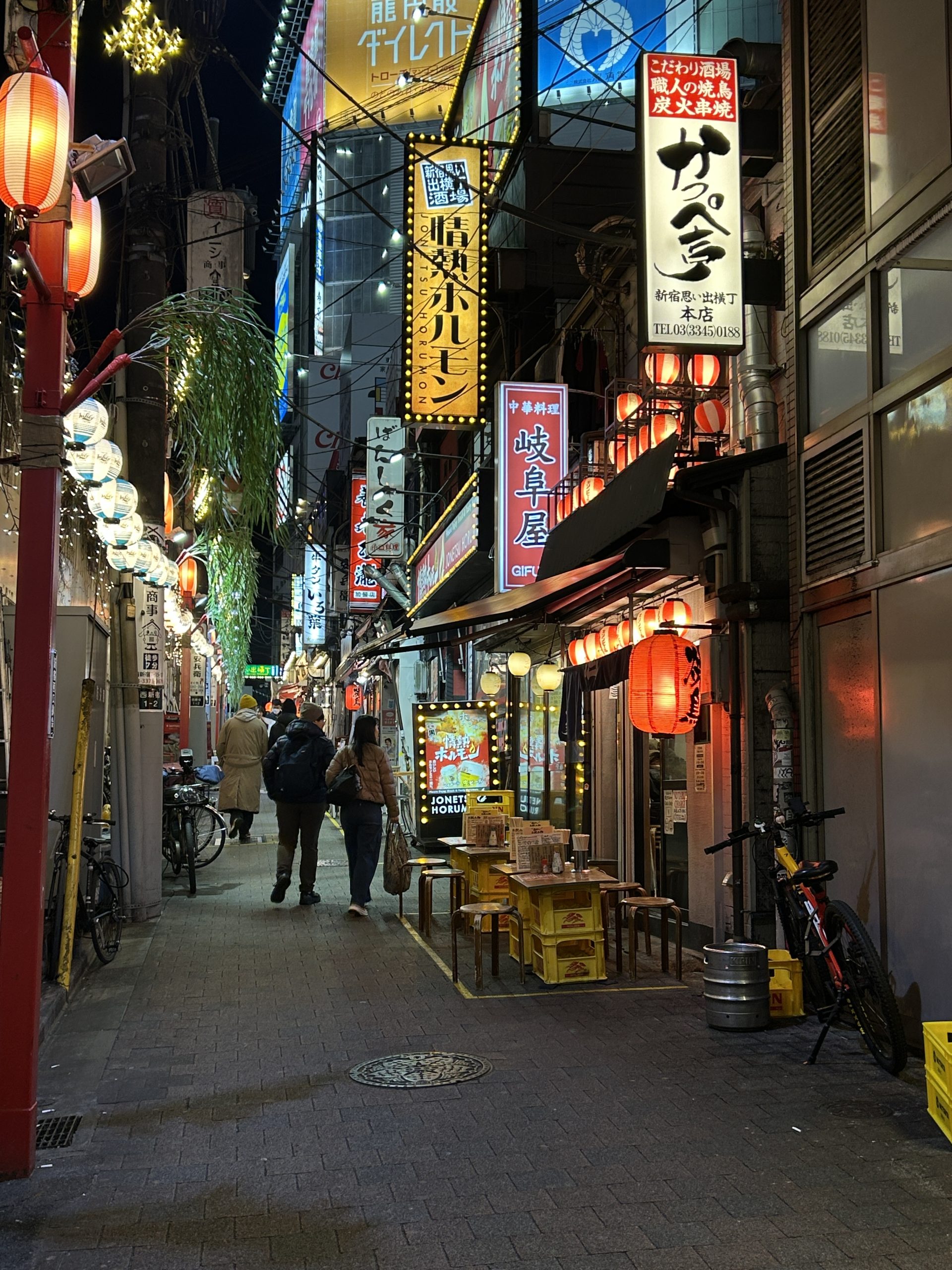
3D Cat Billboard & Godzilla Head
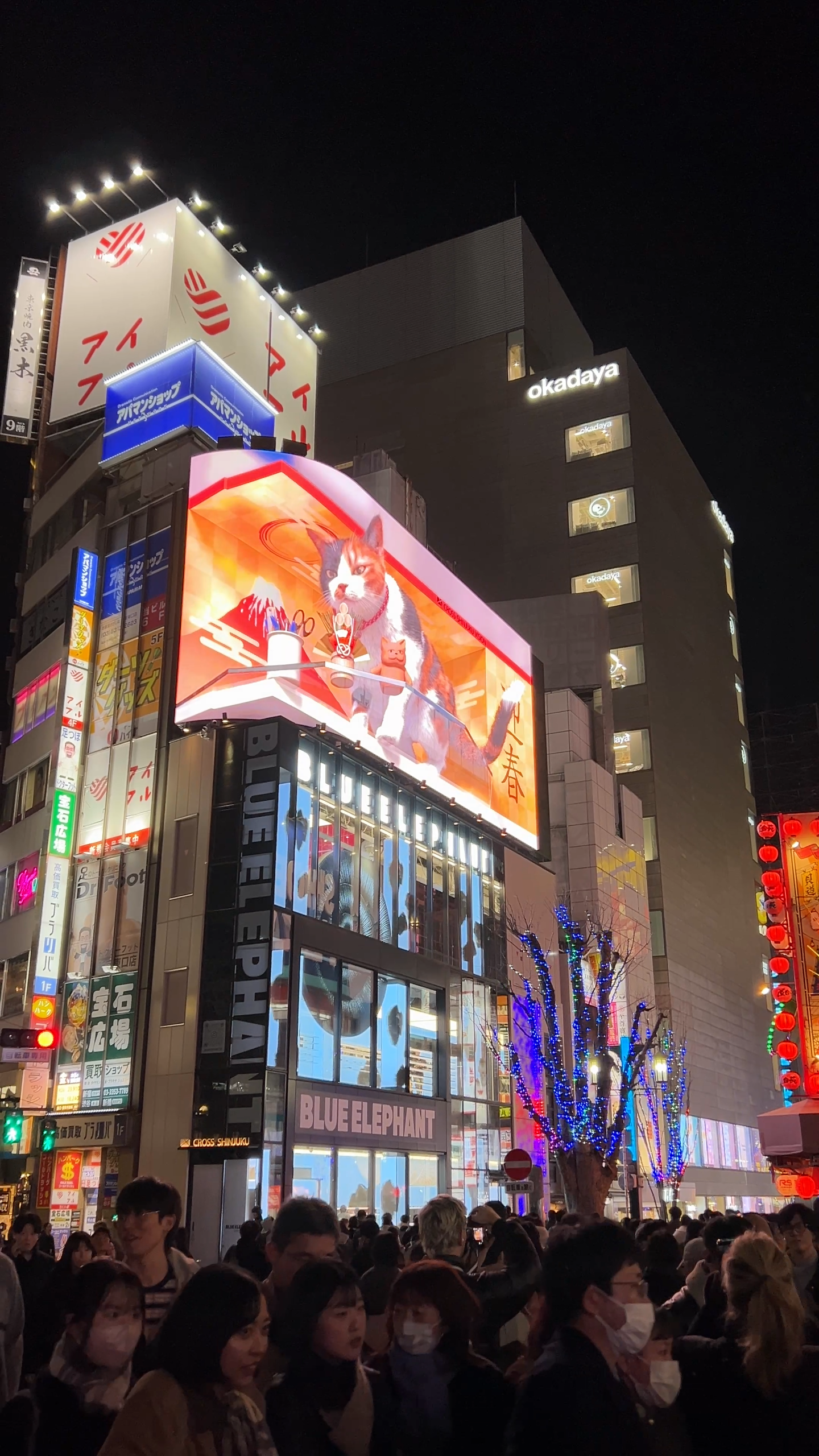
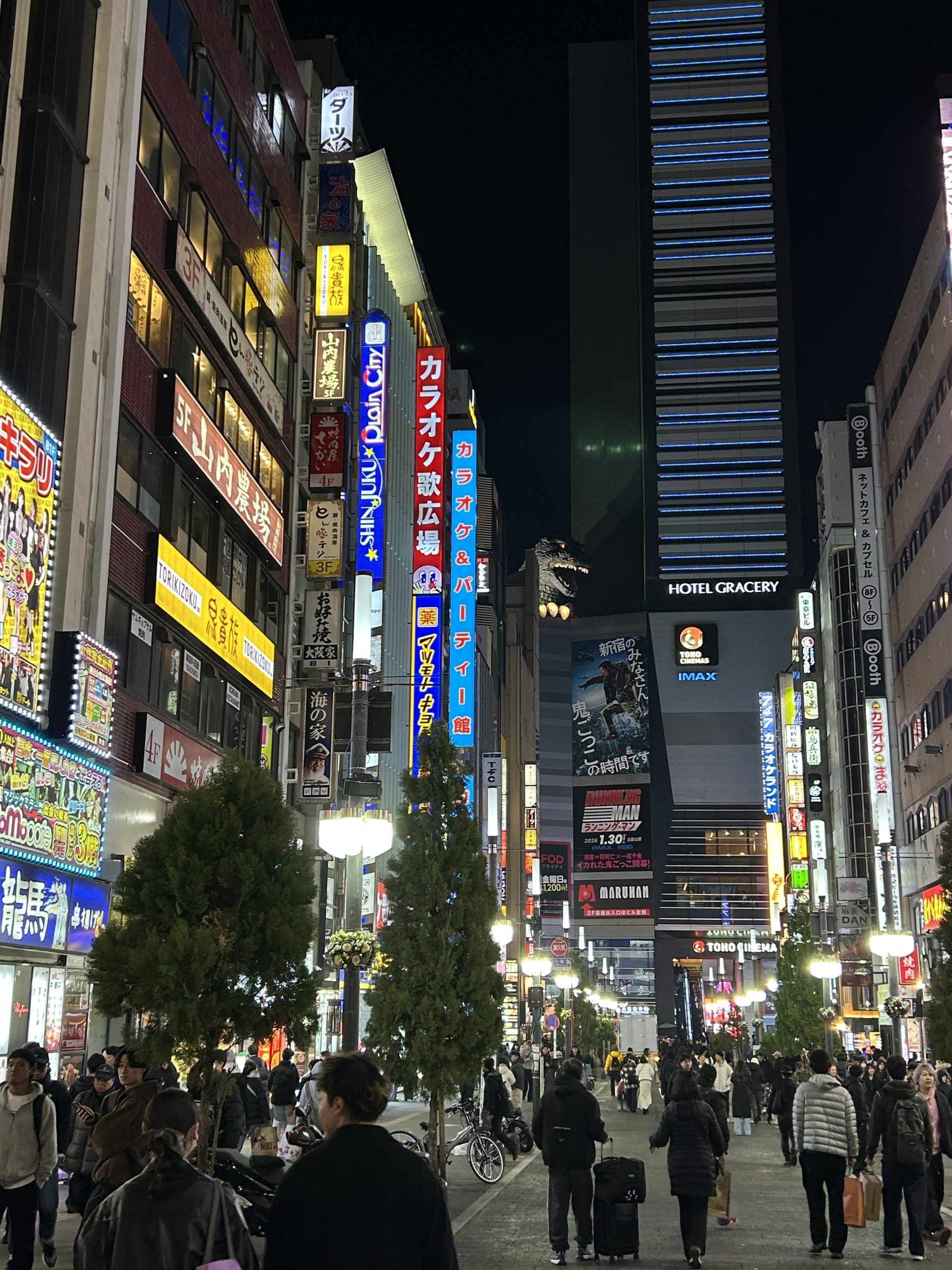
In Shinjuku, visit the famous 3D cat billboard. The hyper-realistic cat appears to peer down at the street, and every fifteen minutes it stretches, yawns, or meows. Five minutes away, you’ll find the life-size Godzilla head sculpture. Both are quick photo stops that capture Tokyo’s quirky side.
Day 4 – Digital Art & Tokyo Tower Views
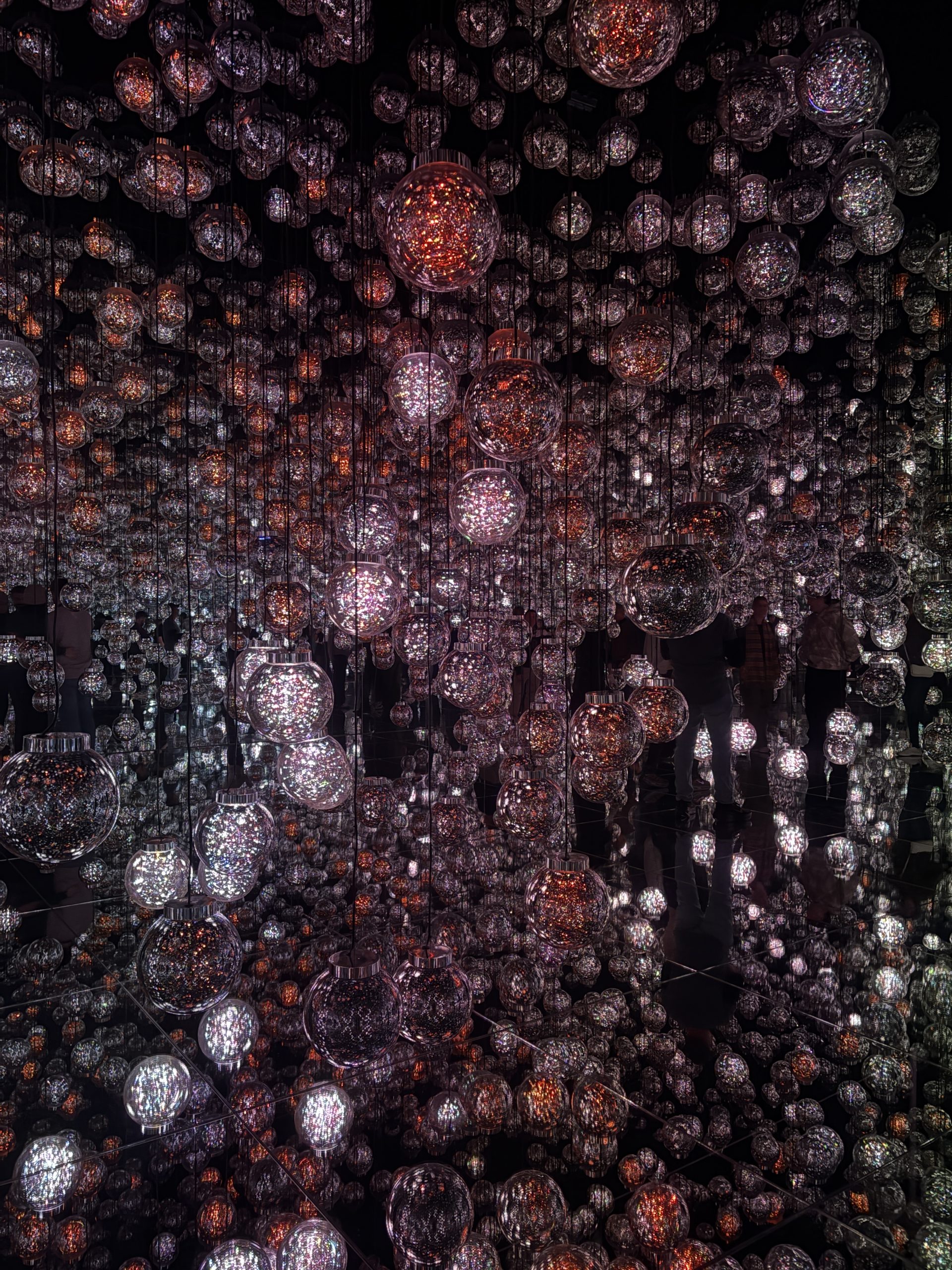
teamLab Borderless
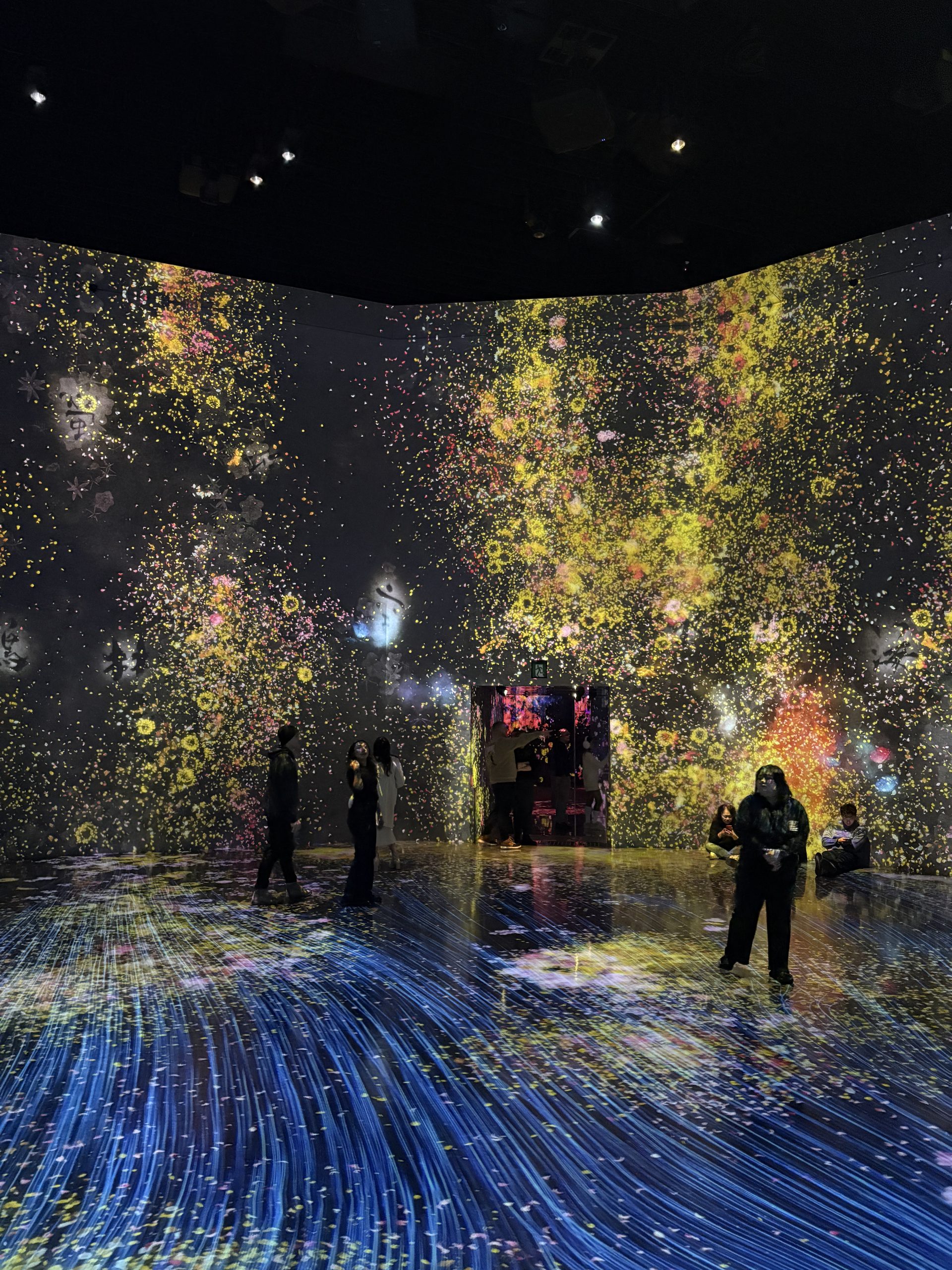
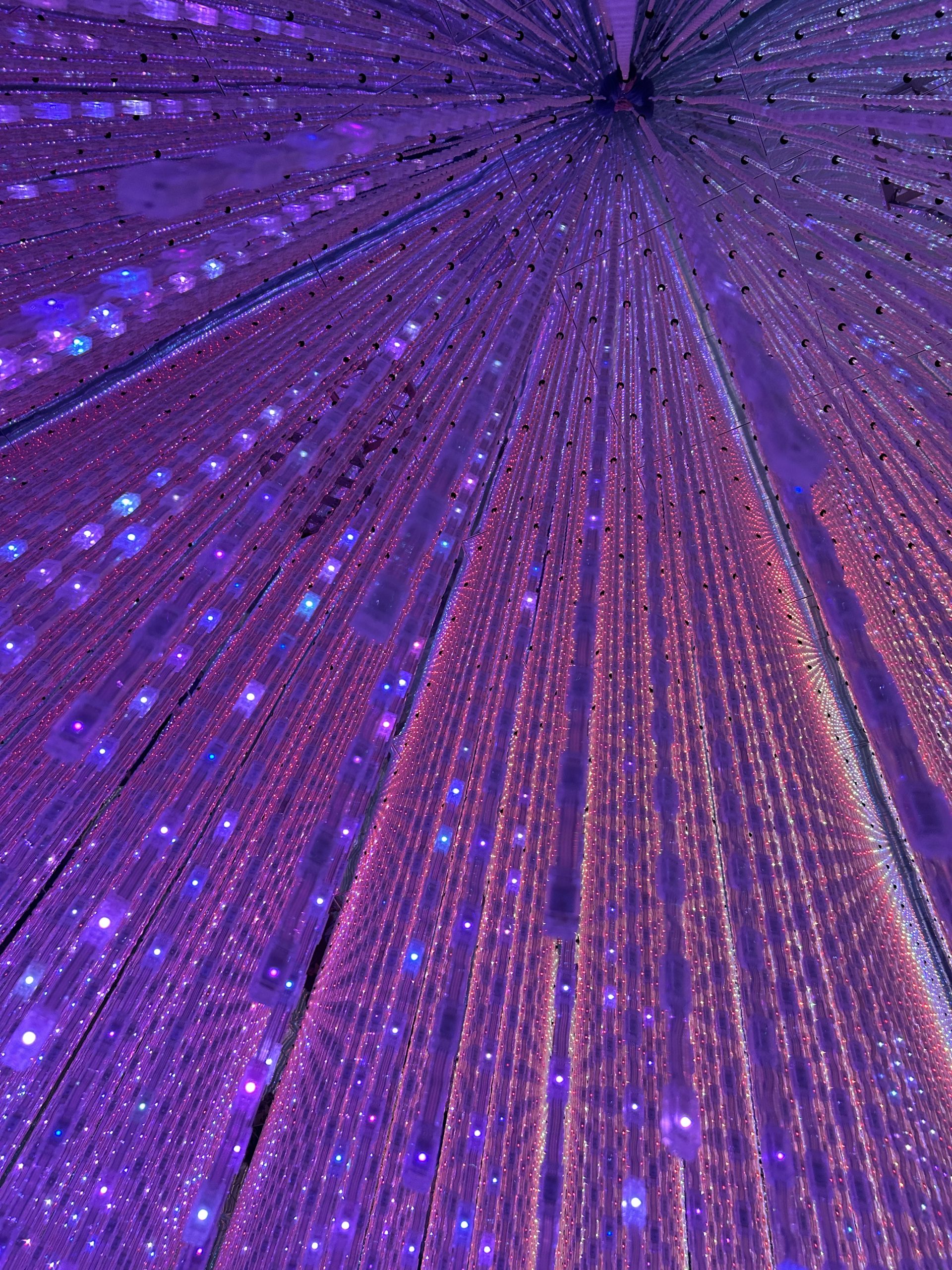
Located within the Azabudai Hills complex, teamLab Borderless is an essential stop for anyone interested in the intersection of art and technology. Even for those who may be skeptical of “digital art” or heavily hyped attractions, the experience tends to be disarming. The technology feels remarkably fresh, and the non-linear layout encourages a sense of discovery rather than a guided tour.
Two hours is a realistic baseline for exploration, though it is easy to lose track of time within the exhibits. The museum is designed to be immersive, and many find themselves wanting to stay significantly longer to see how the ever-changing projections evolve.
Book in advance, especially for weekends.

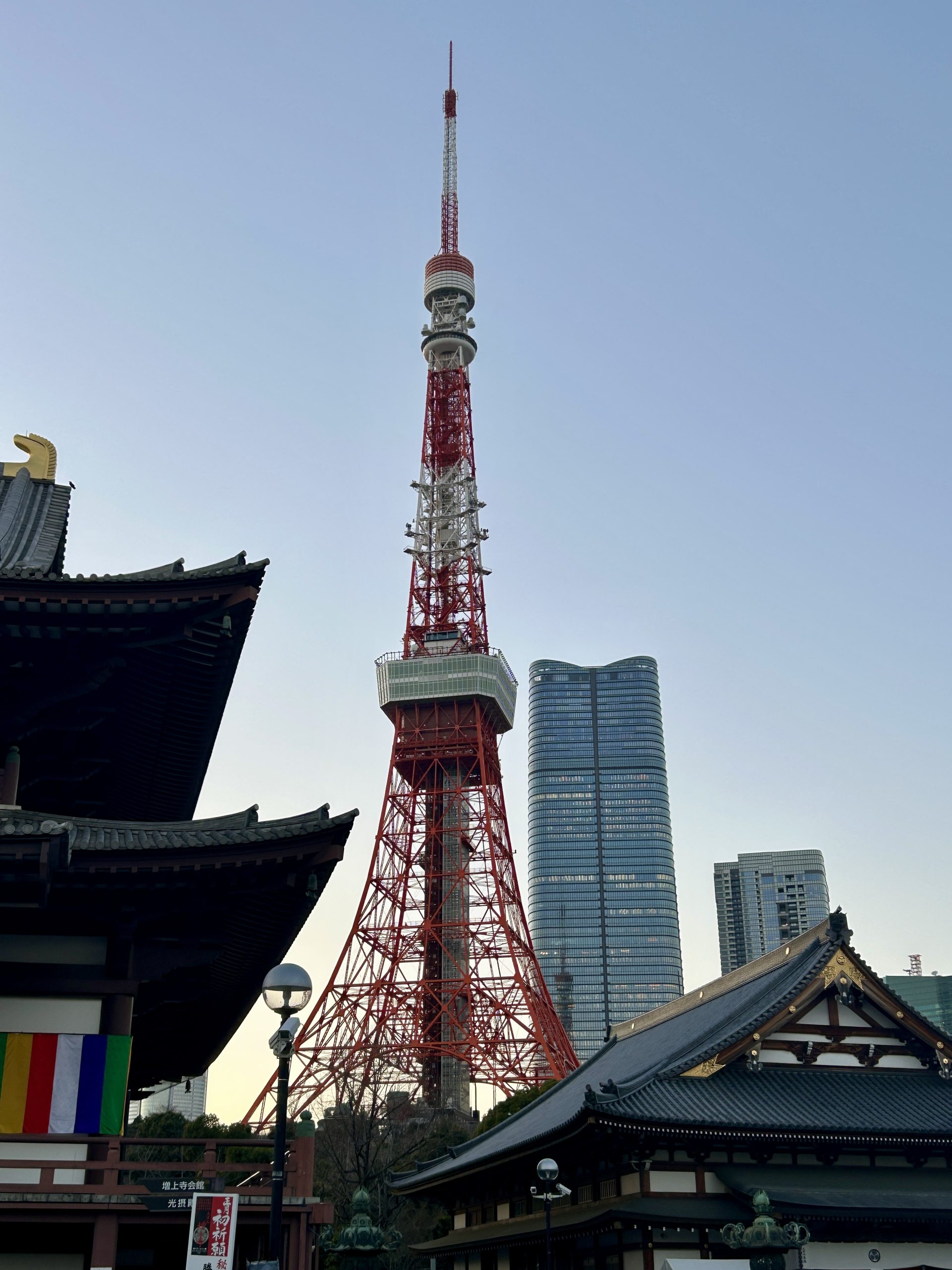
Shiba Park + Zōjō-ji Temple
Head here for excellent views of Tokyo Tower lit up at night. The illuminated tower against the night sky, with the temple in the foreground, makes for a better photo than most spots in the city.
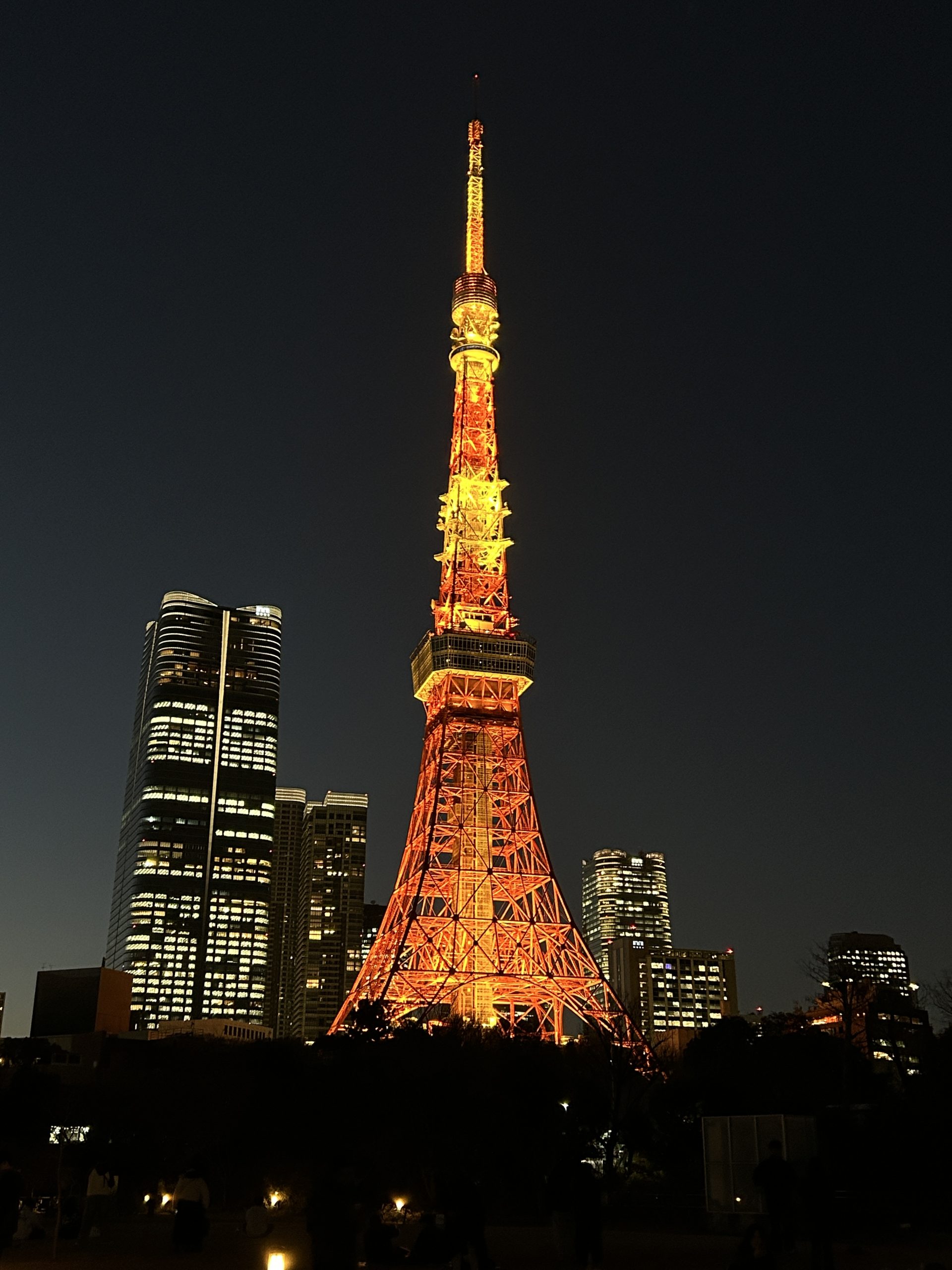
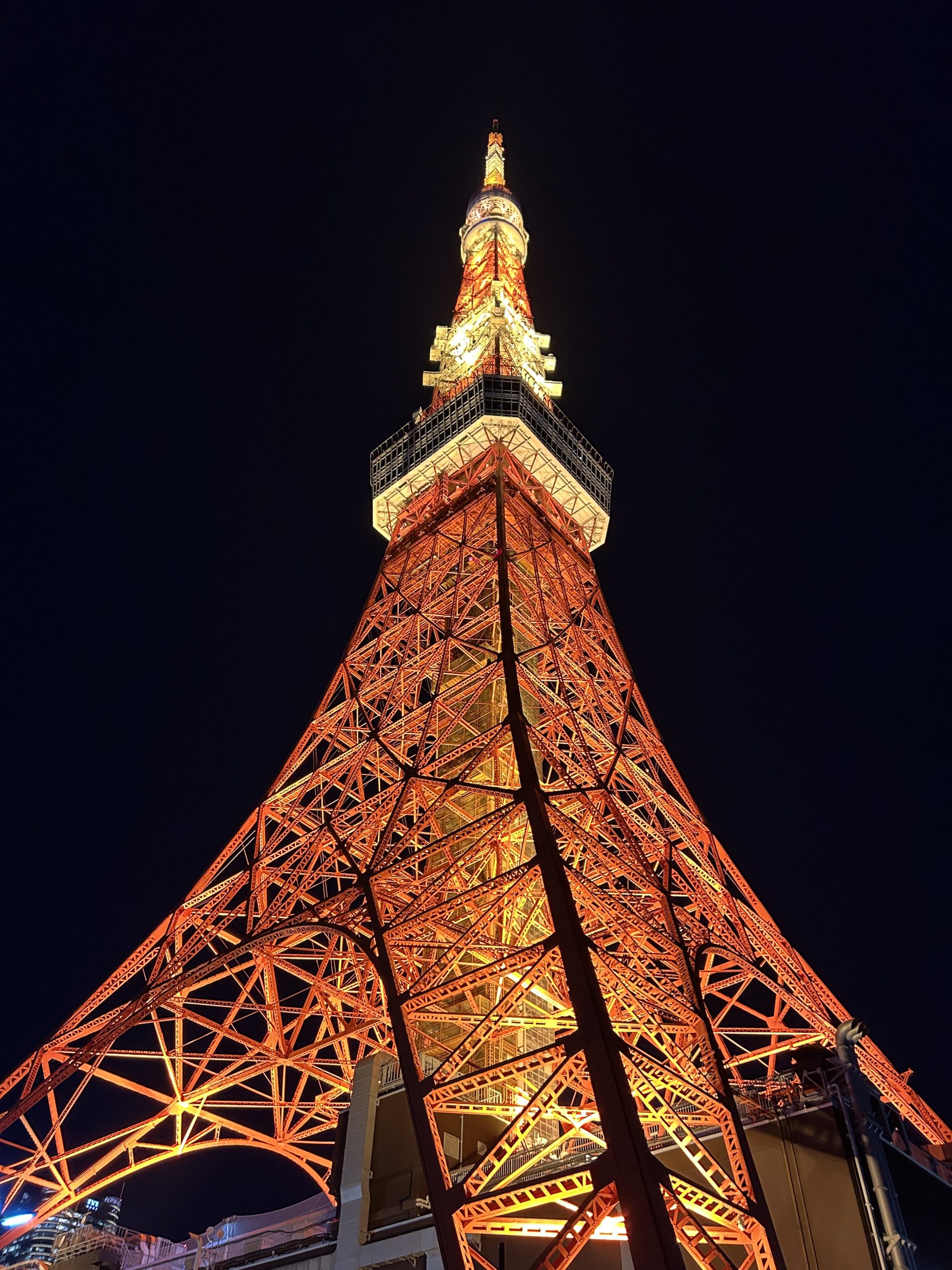
Tokyo Tower
The observation deck can be skipped, as surrounding buildings block most views. For close-up photos of the tower itself, walk to the base for some solid shots.
Day 5 – Market Mornings & Luxury Shopping
Tsukiji Market
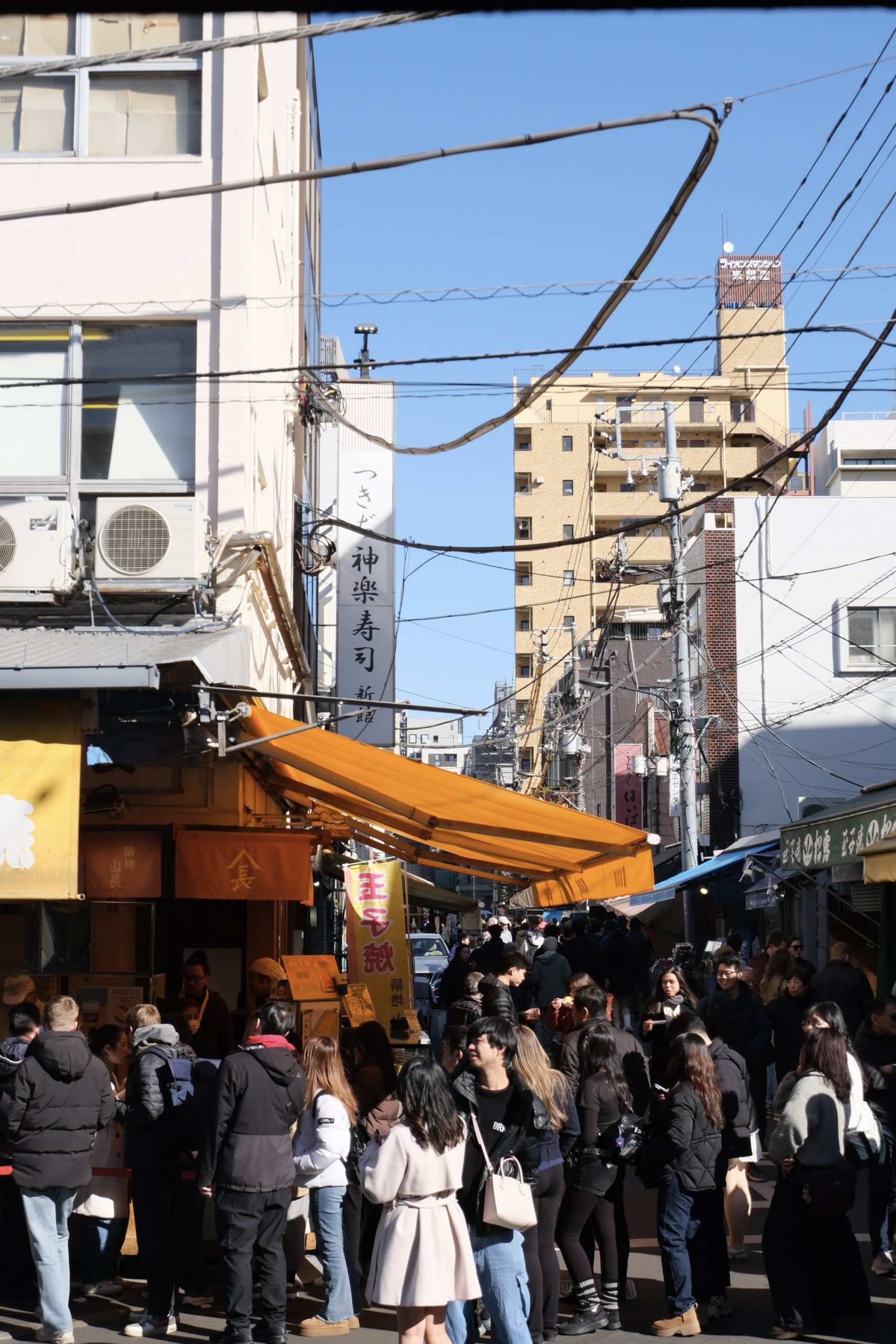
For sashimi and nigiri lovers, Tsukiji Market is essential. While some believe the quality has dipped slightly as the area has become more touristy, the tuna remains exceptionally good. Visit in the morning when the market is most active.
Ginza
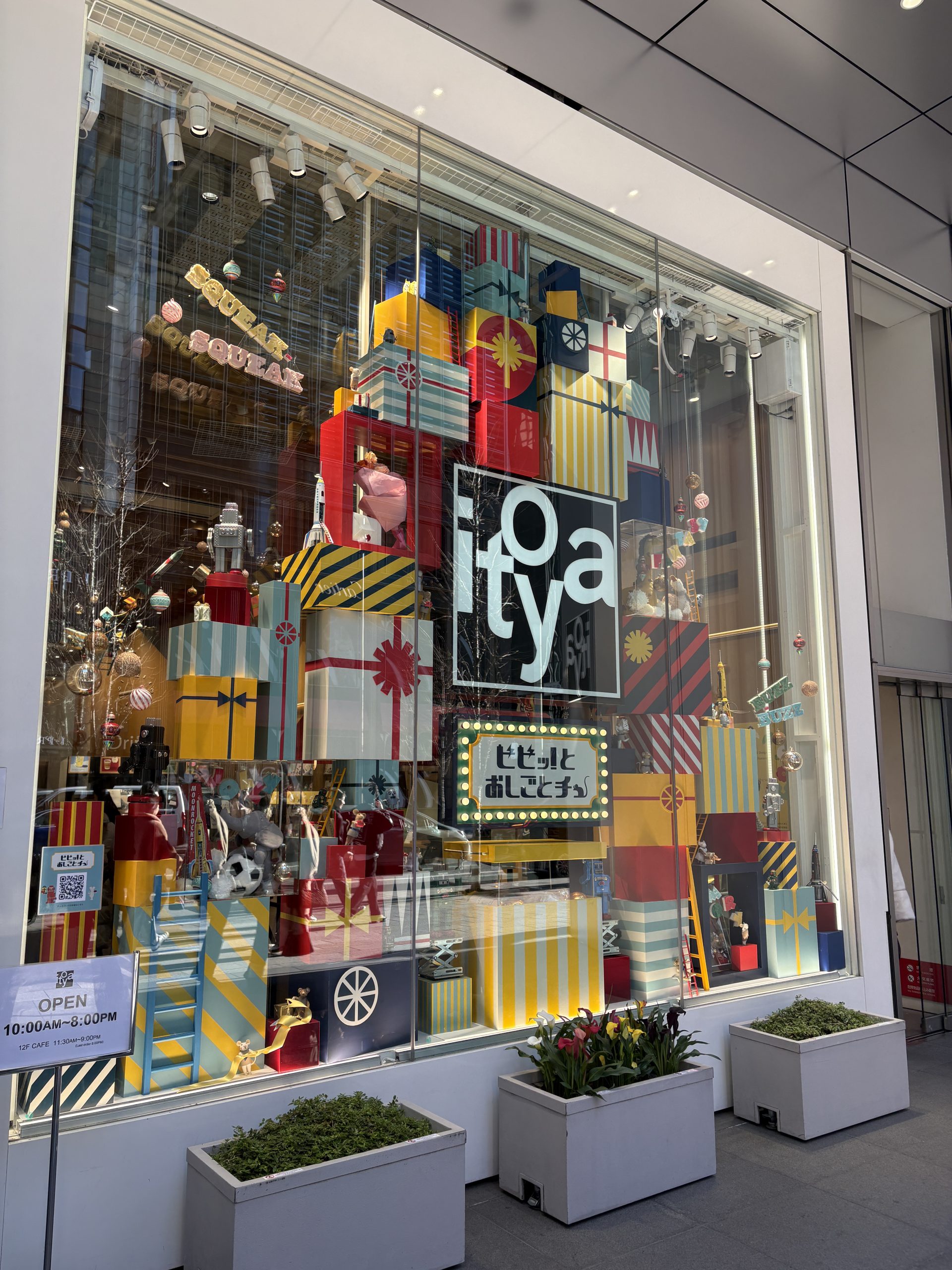
Ginza is Tokyo’s luxury shopping district, featuring flagship stores including Uniqlo, Muji, Itoya stationery, and Onitsuka Tiger. The Itoya stationery store stood out, occupying twelve stories with pens, pencils, paper goods, journals, and art supplies. For anyone who appreciates quality stationery, this store is worth a visit.
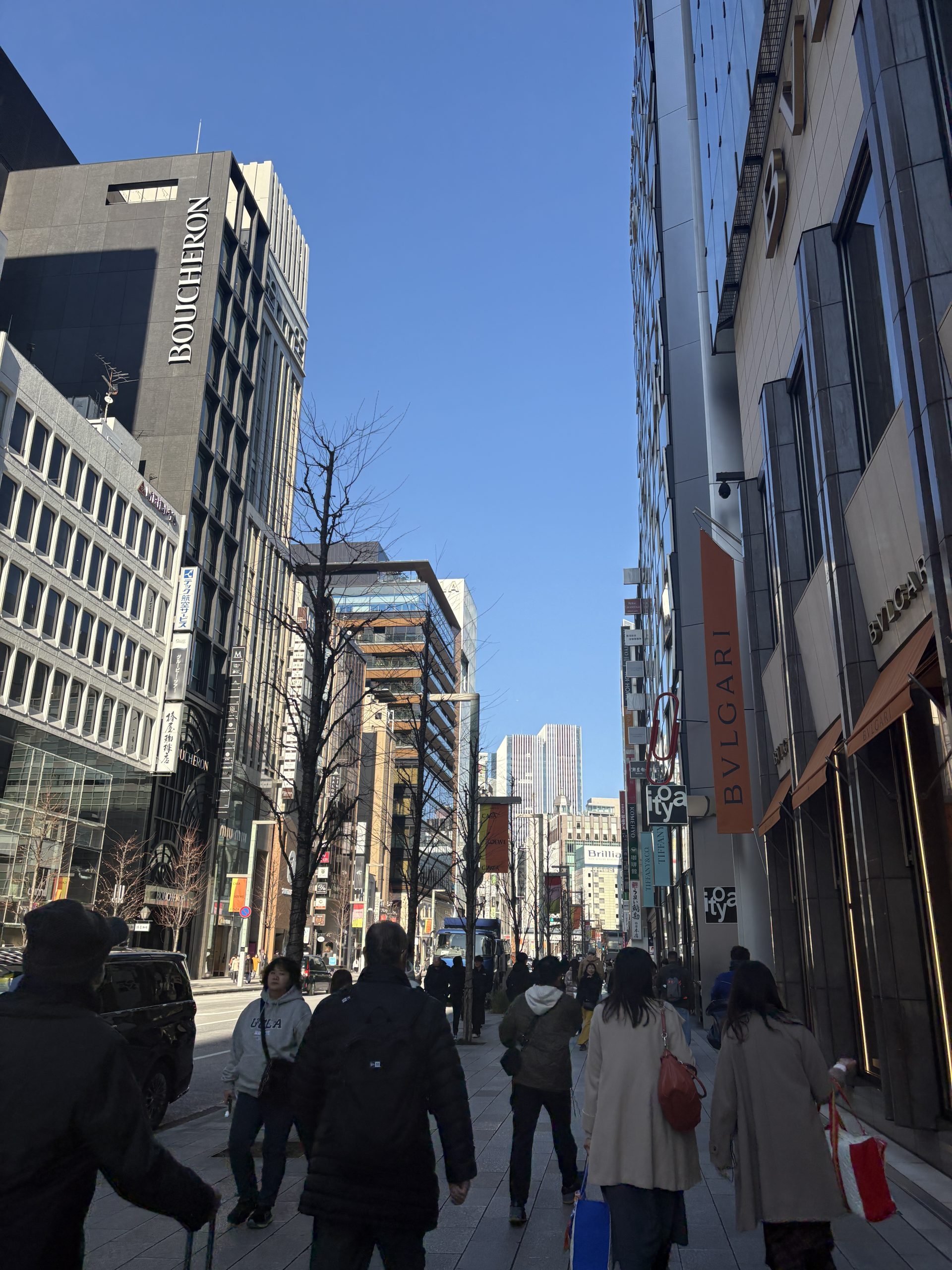
The Muji flagship store spans ten stories, with the sixth through tenth floors housing their own hotel and dining facilities. Even if you’re not buying, browsing provides insight into Japanese design philosophy.
Imperial Palace
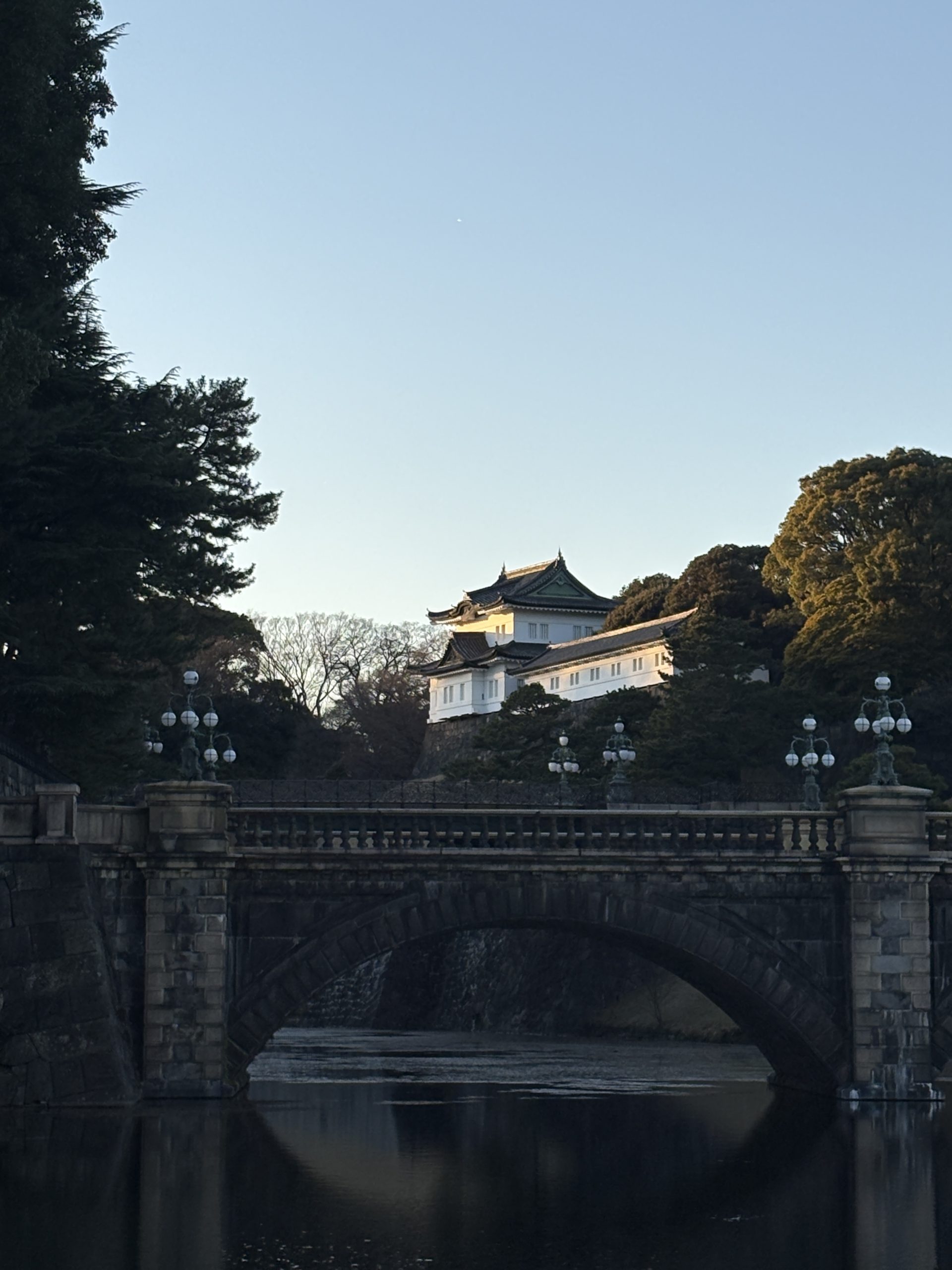
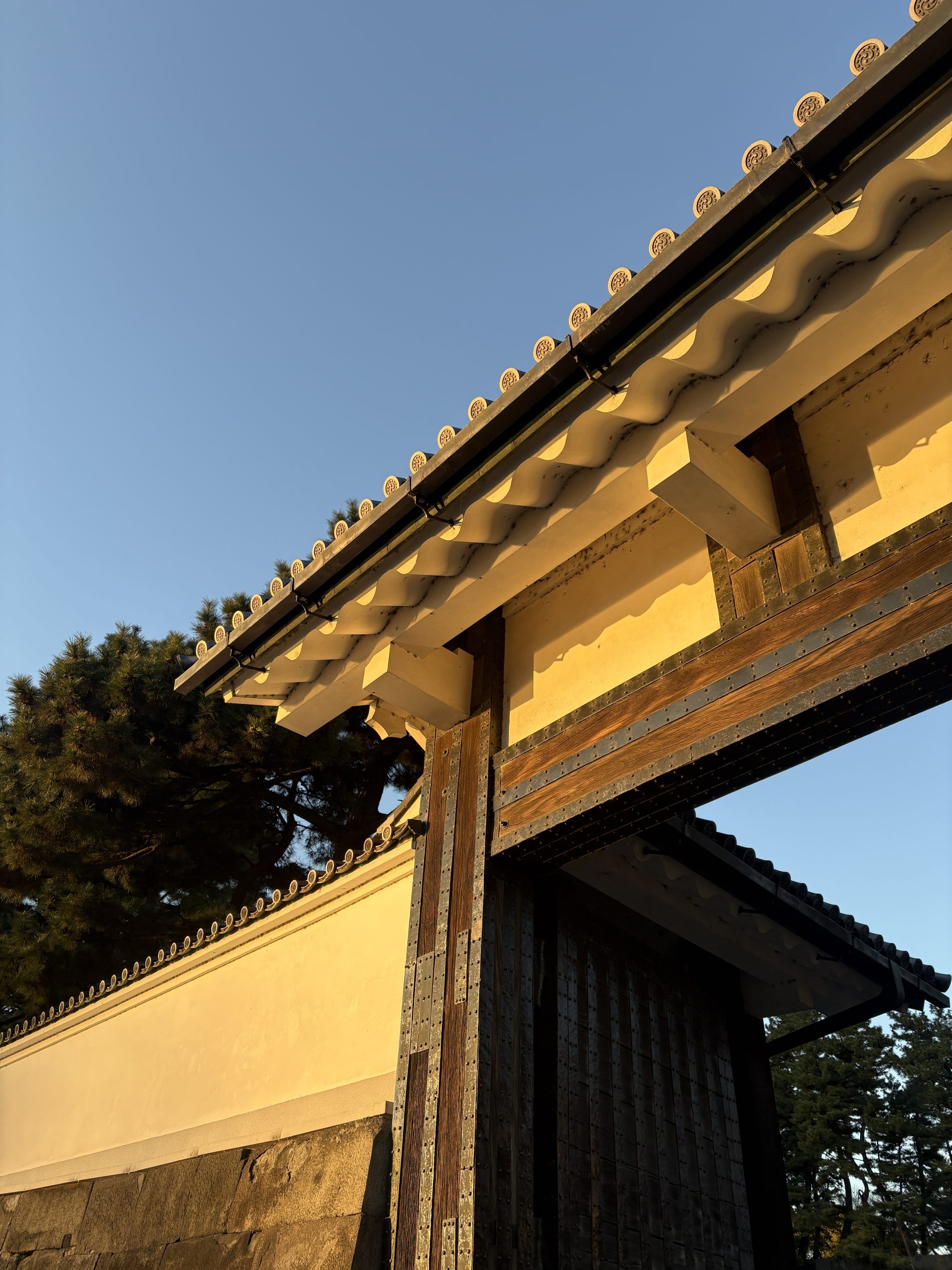
The Imperial Palace grounds offer a serene atmosphere and serve as the city’s premier 5km loop for runners. The wide, paved paths and views of the historic moats make it a popular choice for a morning or sunset workout. For travelers interested in joining the local running culture without the burden of packing extra gear, the area is well-supported by “run stations” like ASICS Run Tokyo Marunouchi. Located in the nearby Mitsubishi Building, this facility offers a full rental service (including shoes, apparel, and locker access) plus shower facilities. It is a seamless way to incorporate a run into a day of sightseeing.
Optional Day Trip: Mount Fuji popular scenic spots
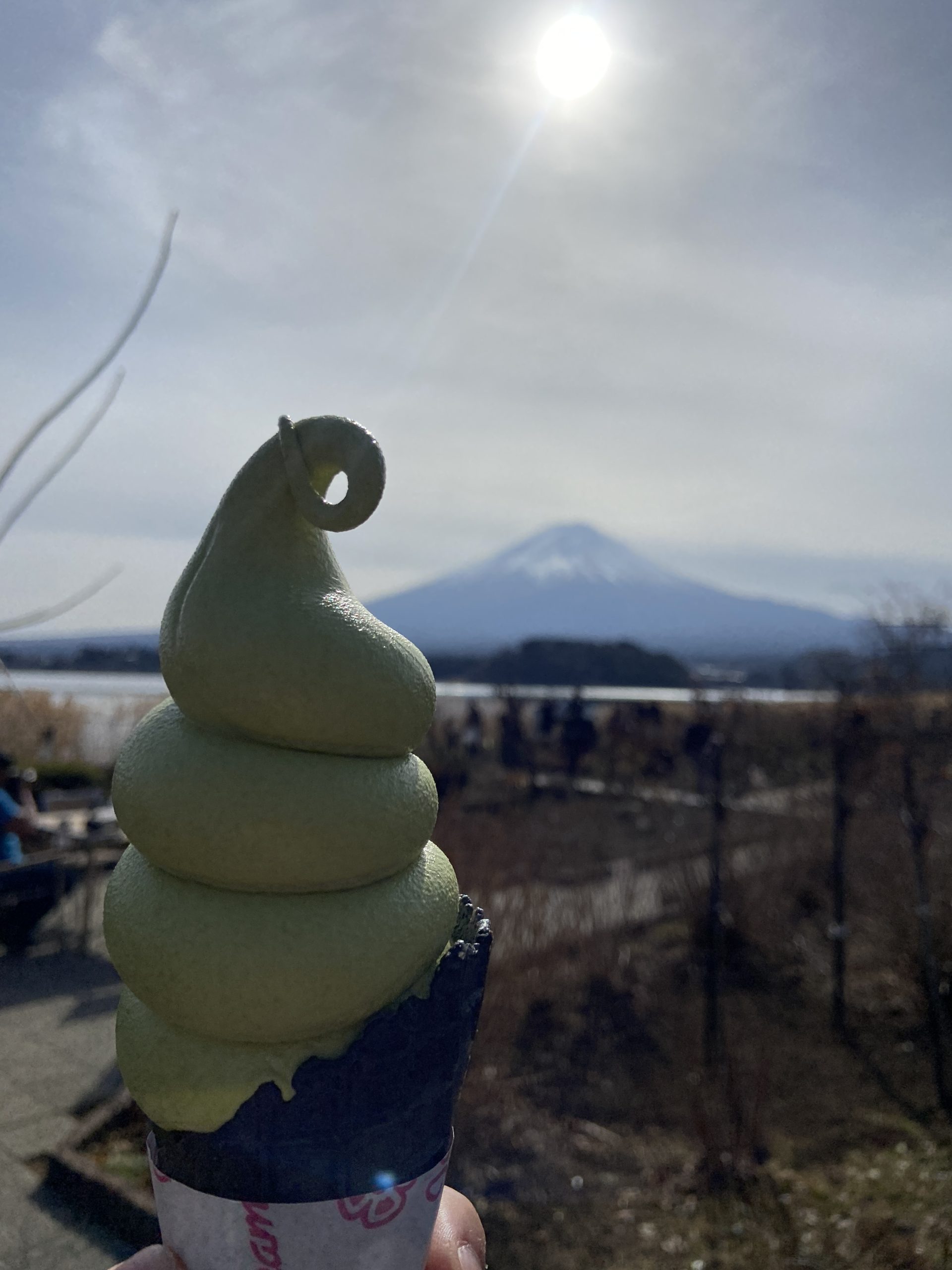
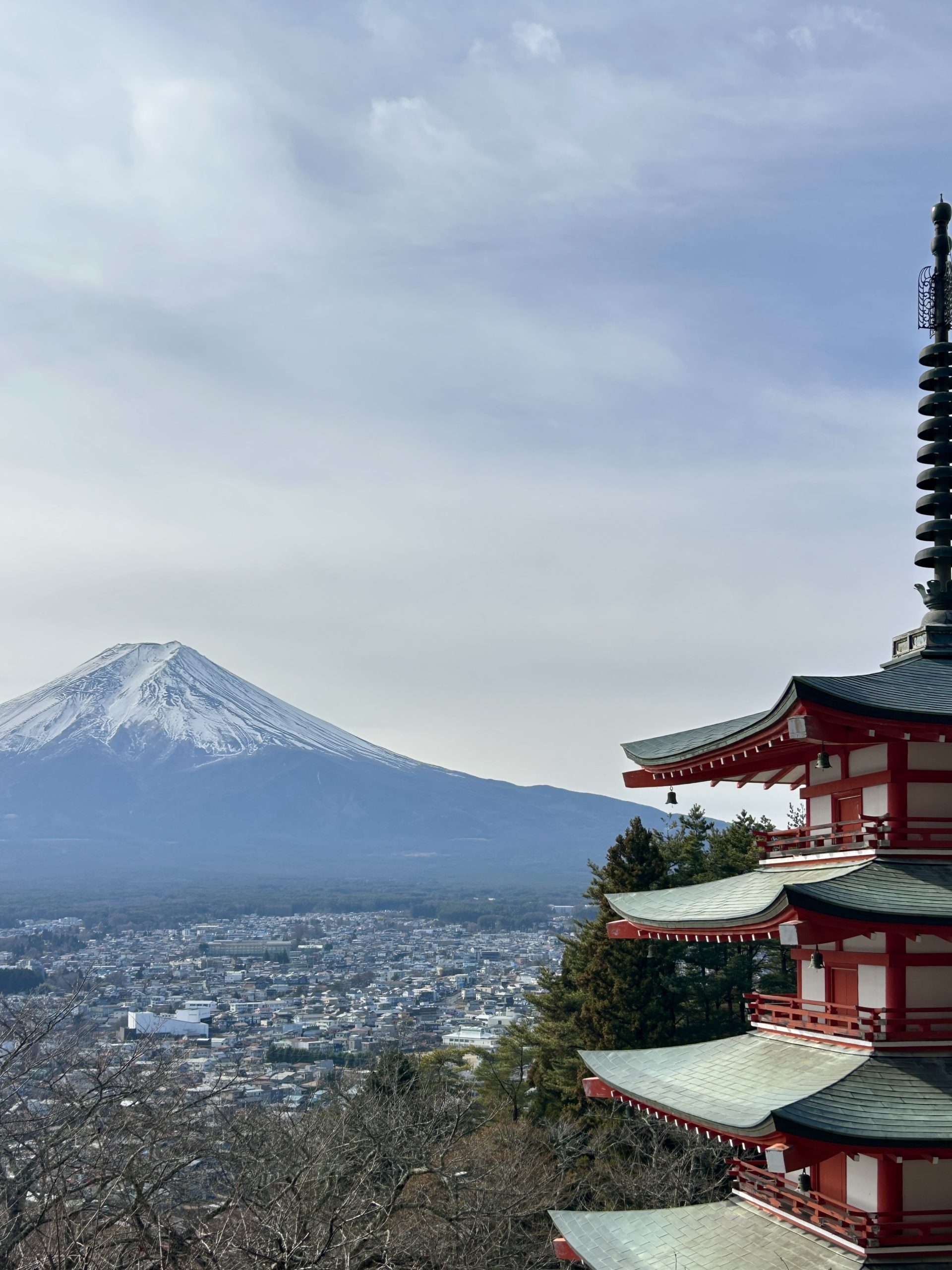
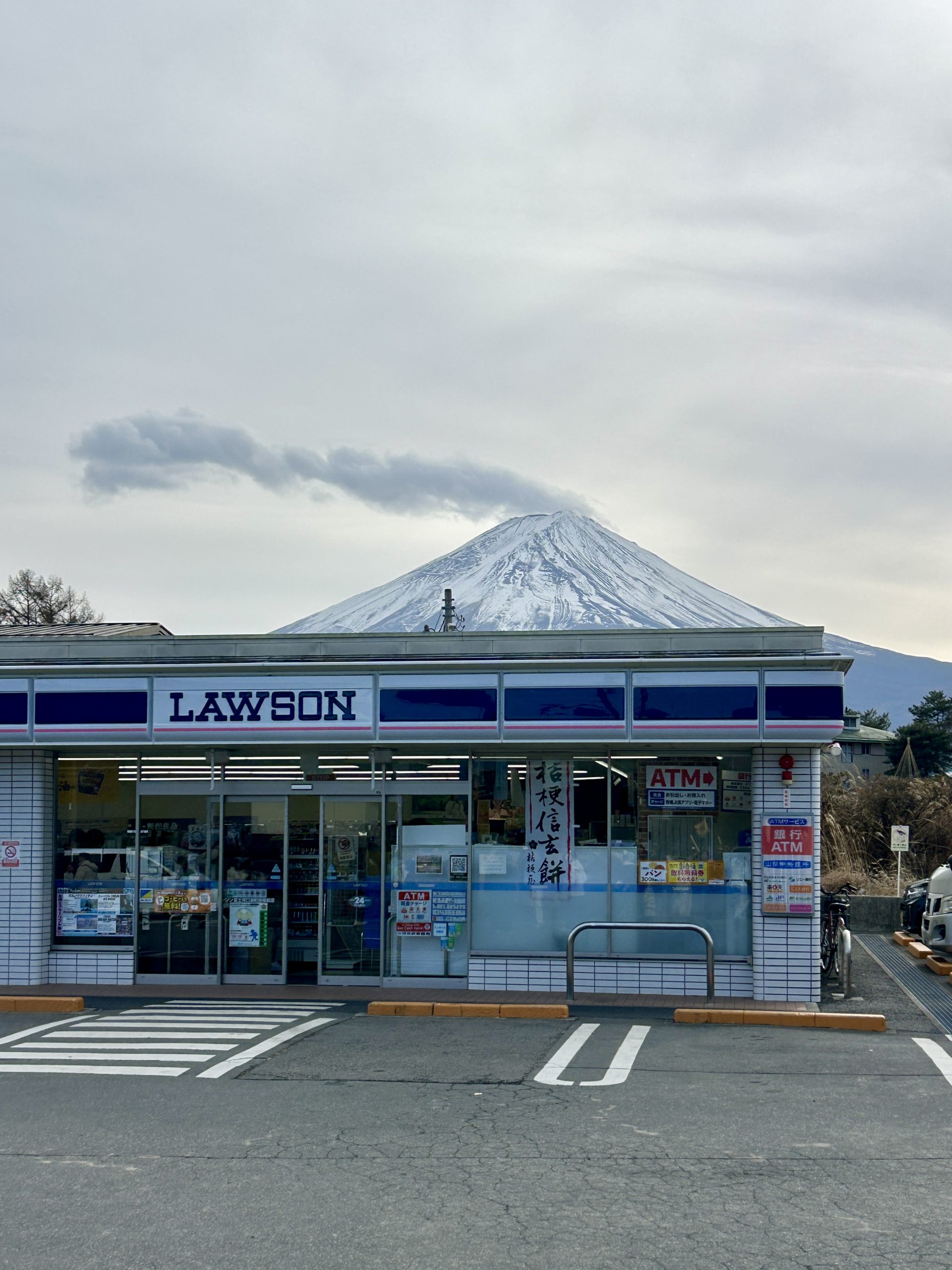
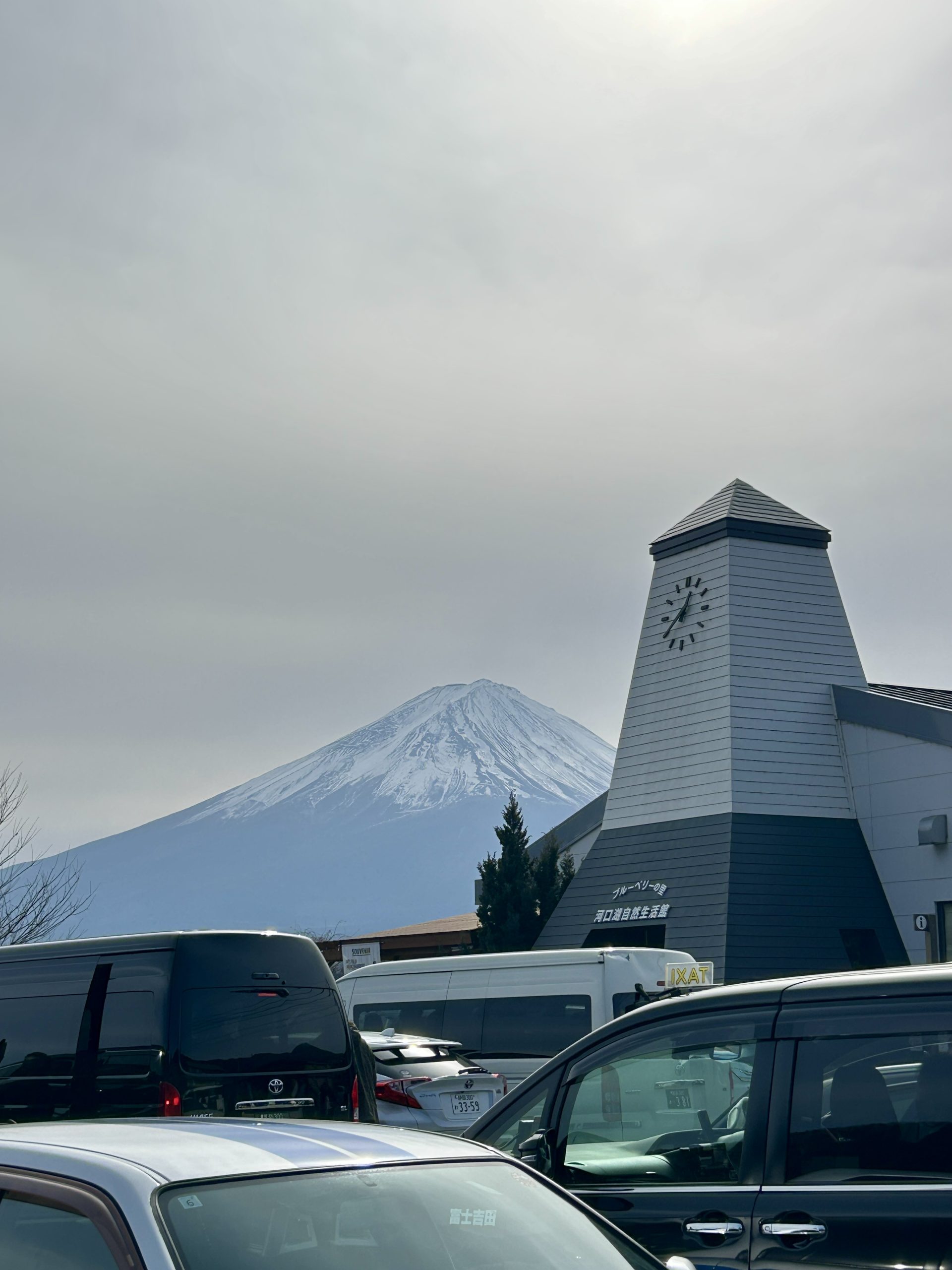
If you have an extra day, book the Mount Fuji popular scenic spot one-day tour on Klook for around ¥8,000. The tour covers Ladder Town, Oshino Hakkai, Kawaguchiko, and includes a stop at the famous Lawson convenience store with Mount Fuji in the background.
We really enjoyed this tour because we didn’t have to do any planning. They selected good locations for us to get off at, and on the bus we could just sleep and rest between stops. It was relaxing and enjoyable—a nice break from navigating Tokyo’s train system.The trip is worth it, but pick a day when the weather is good. Mount Fuji is only clearly visible for about one-third of the year, so check the forecast before booking. Book in advance.
Food & Drink Highlights
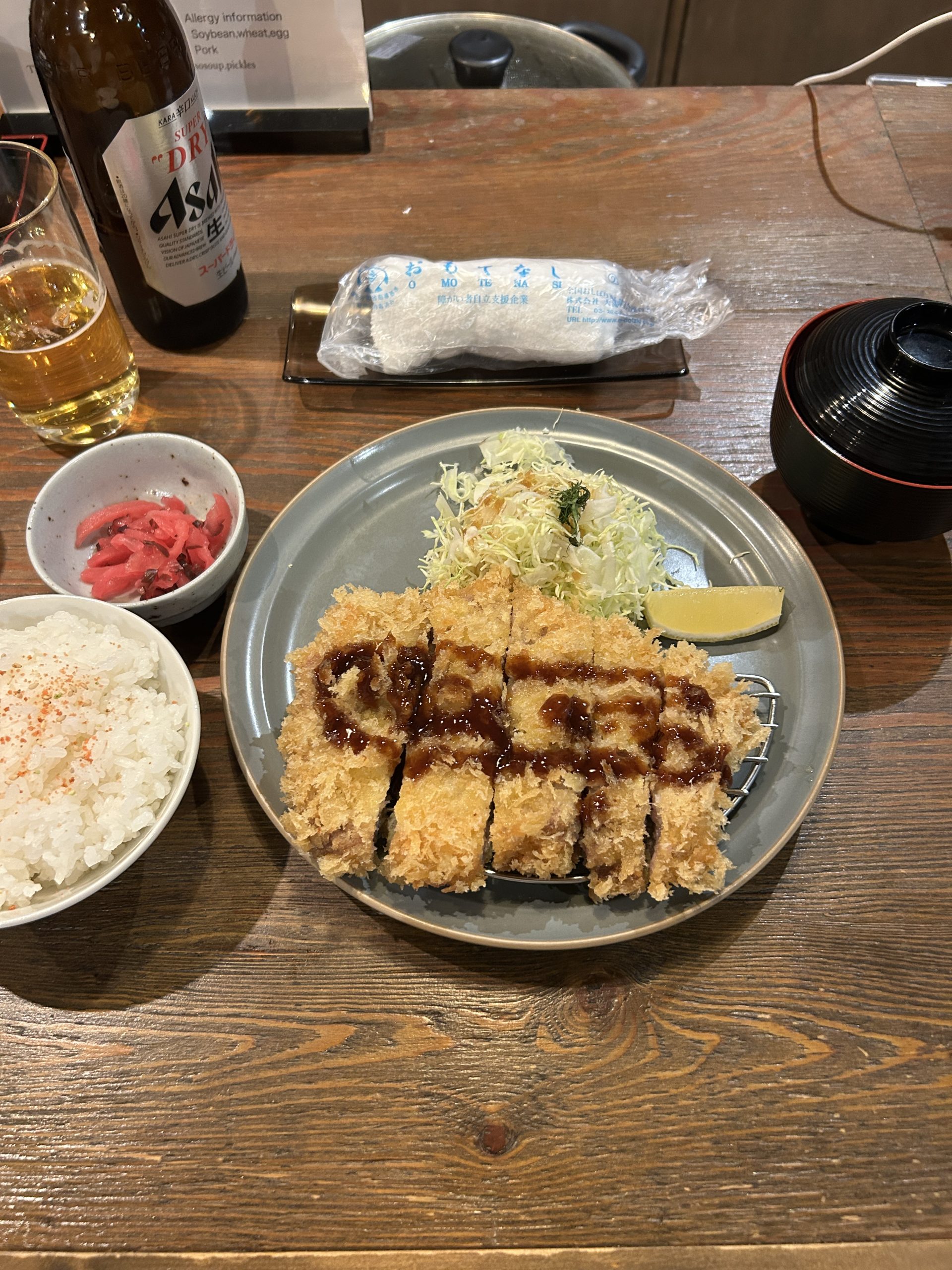
Tonkatsu Juroku
Run by a lovely couple, this tiny shop near the Kaminarimon Gate serves what we consider the best tonkatsu in the city. While many famous spots focus on thick cuts, Juroku specializes in a thinner style that stays remarkably crispy without feeling heavy. It is perfectly positioned for an early dinner before a night visit to the Tokyo Skytree.
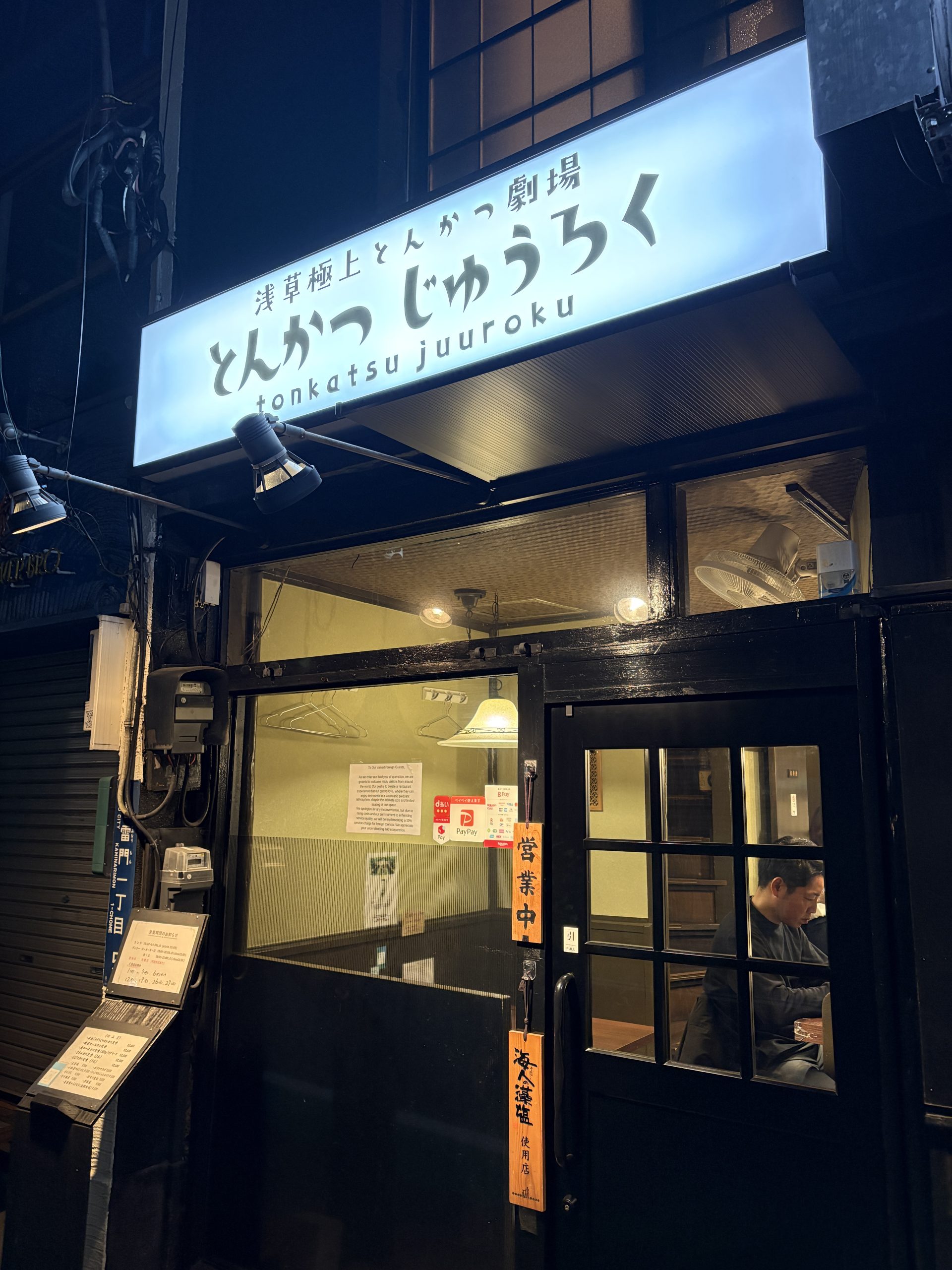
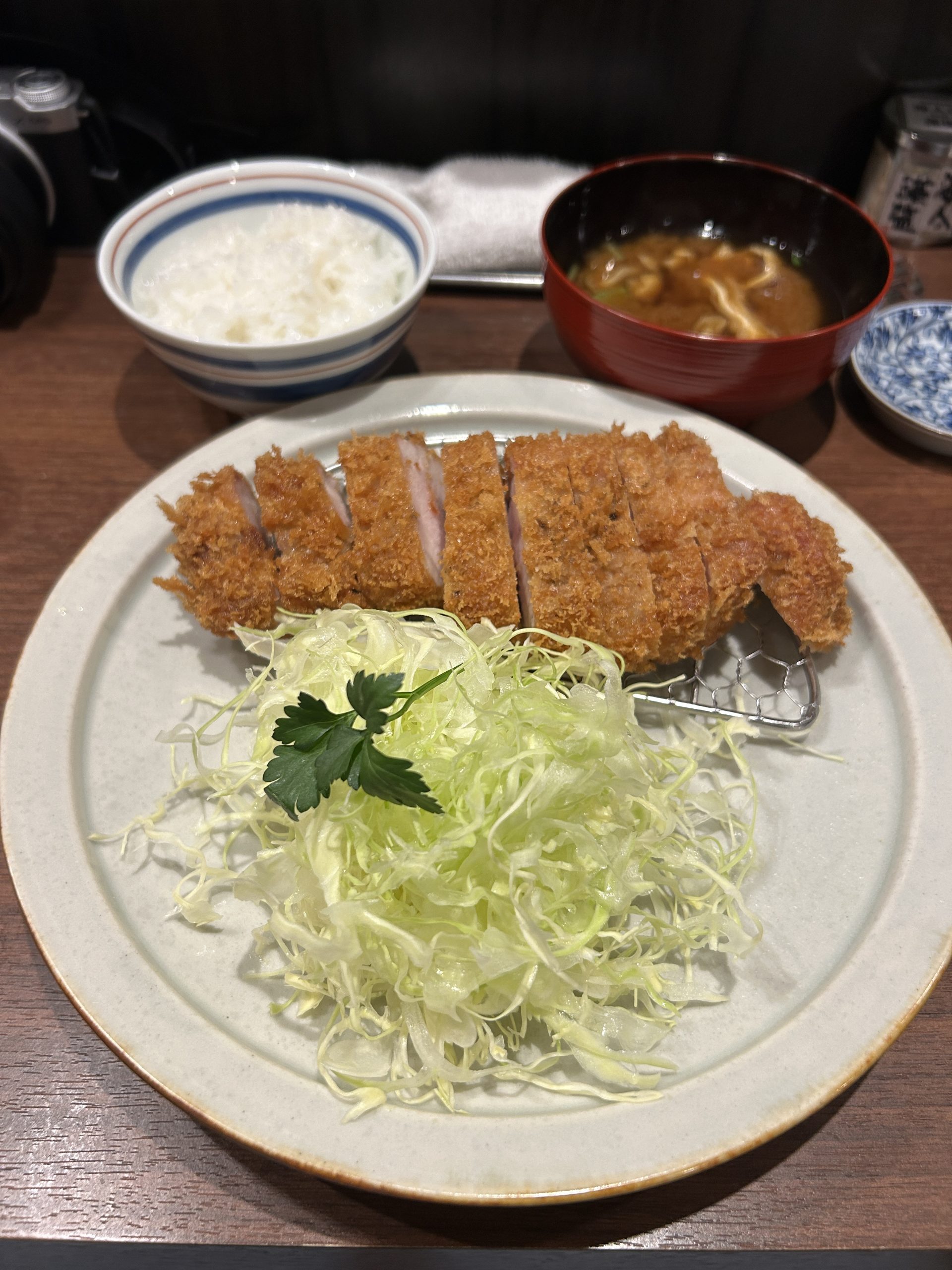
Travelers should note there is a 10% surcharge for foreign visitors, but given the quality of the meal and the hospitality, we found it to be a non-issue. It’s the kind of place we’re already planning to revisit on our next trip to Tokyo.
Tonkatsu Kotetsu
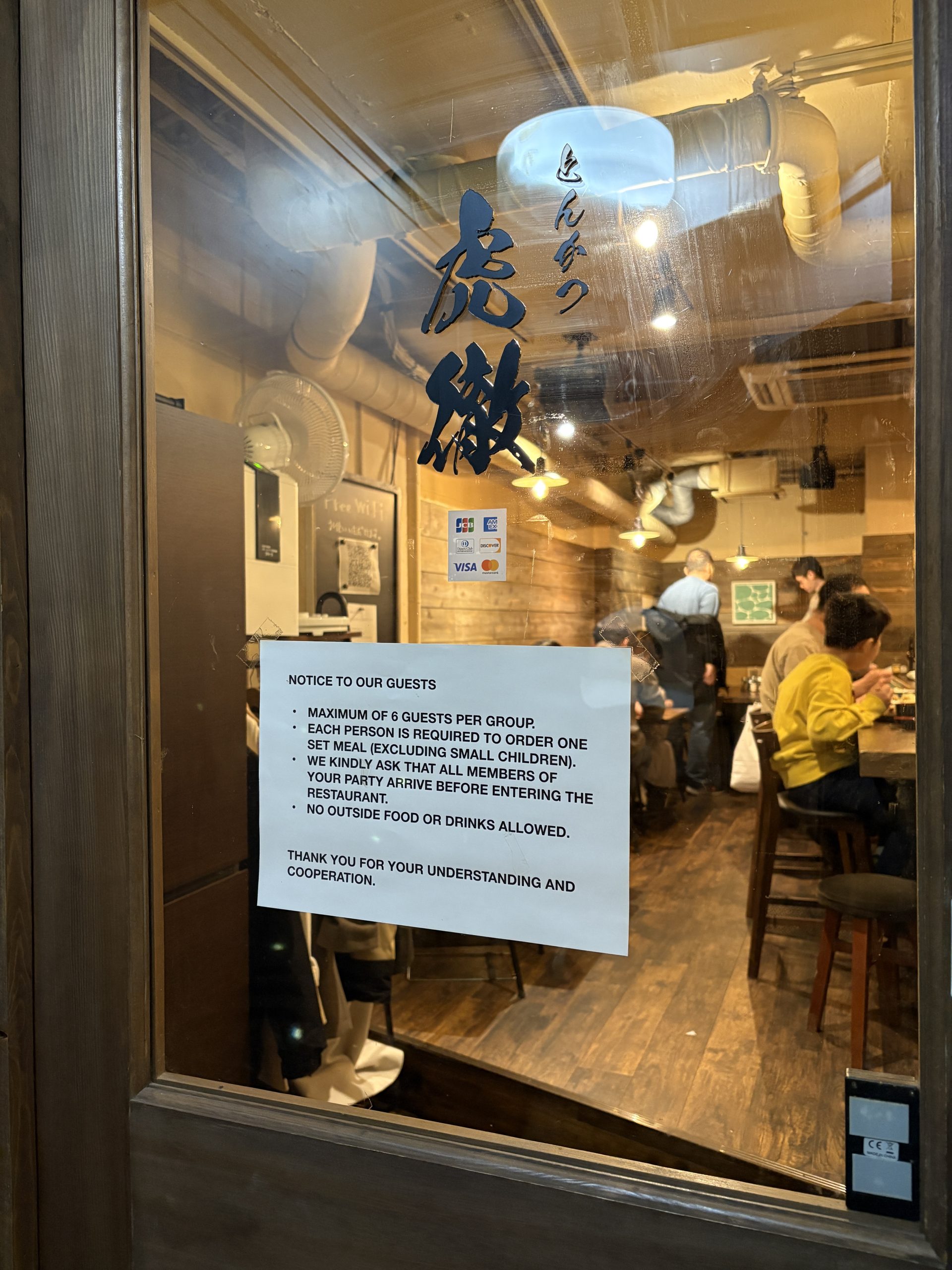
A premium tonkatsu shop near Ameyoko Market that frequently sells out early. Unlike Juroku’s thinner cut, Kotetsu offers a thicker cut of pork that’s juicy and tender. The tonkatsu was excellent, crispy on the outside with a satisfying bite. A quality option when you’re in the Ueno area.
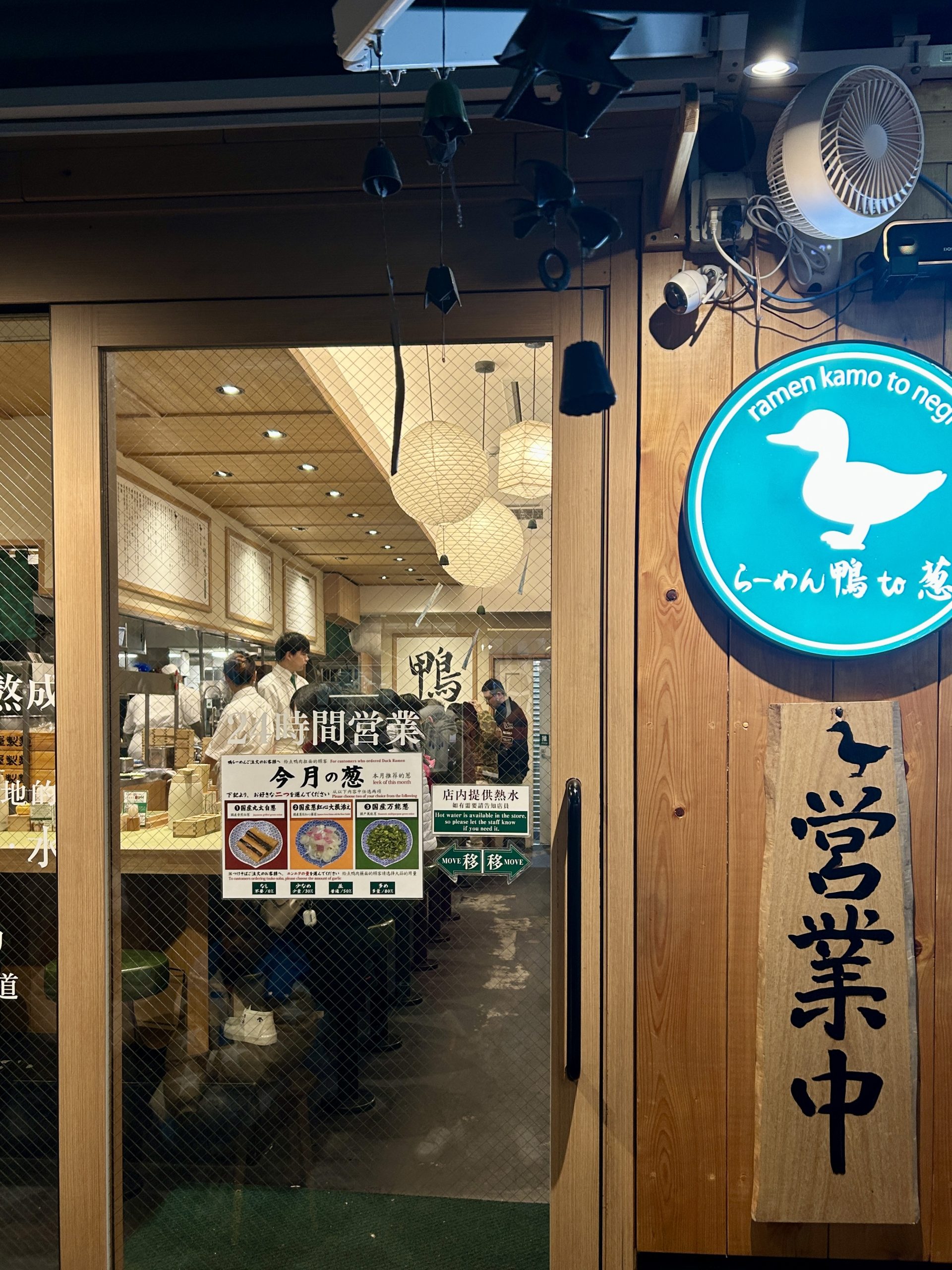
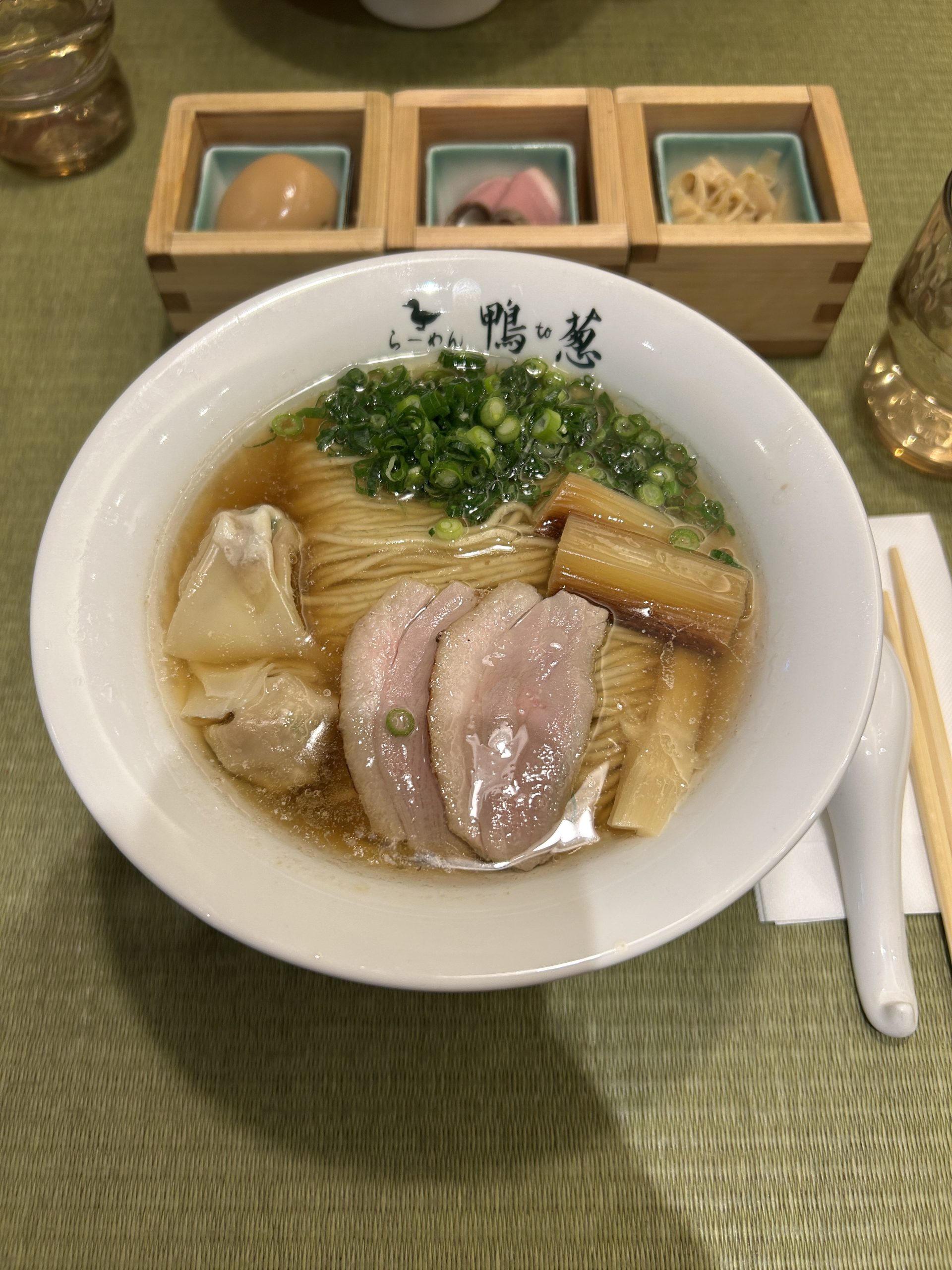
Ramen Kamo to Negi
Located near Ameyoko Market, this shop specializes in duck ramen with a soup base made only from duck, water, and green onion. The simplicity lets the duck flavor shine through in a way that’s completely different from standard chicken or pork broths. It’s a solid meal worth trying if you’re in Ueno.
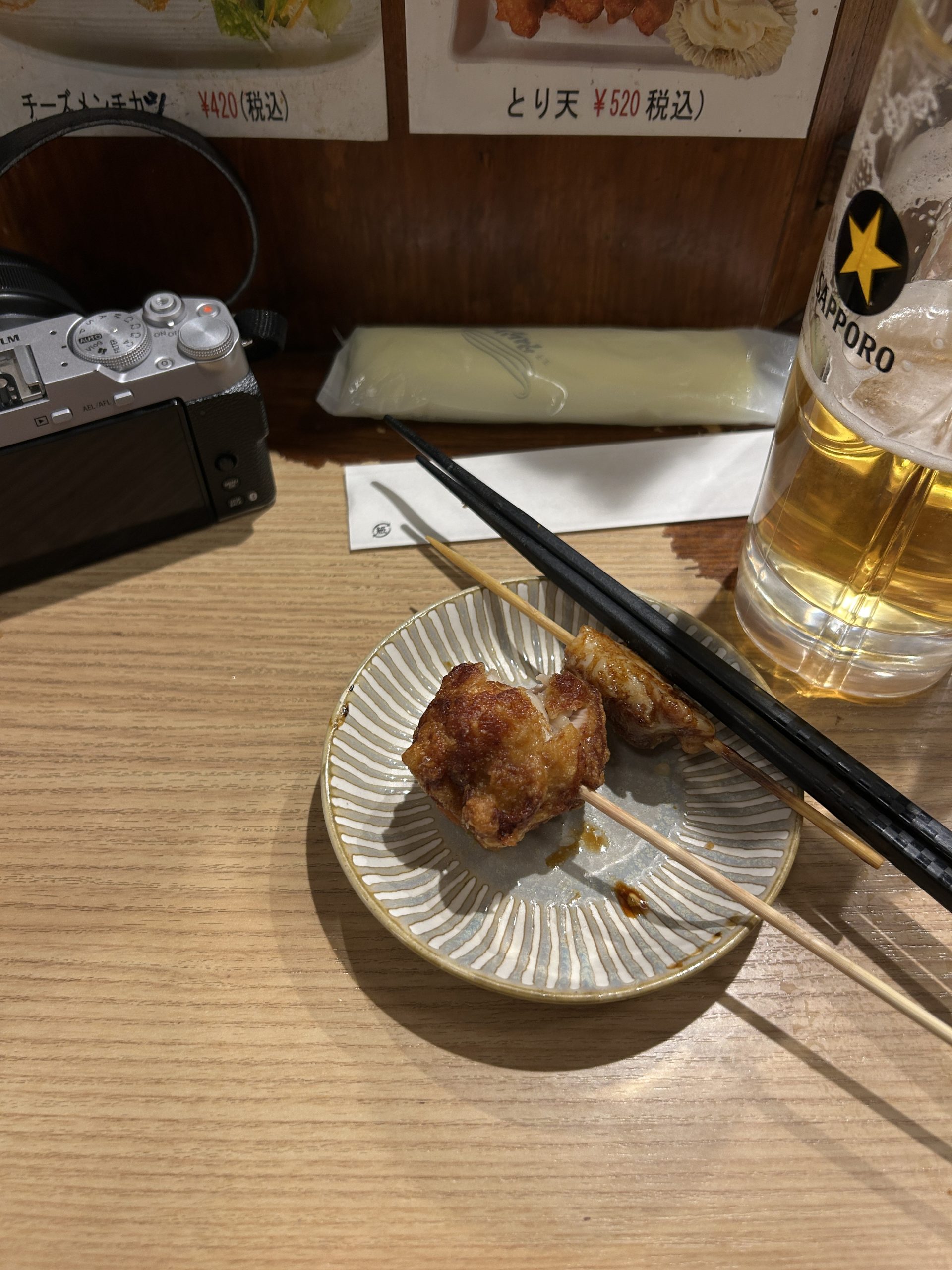
Yoro no Taki
Located in Omoide Yokocho, we came here for the atmosphere more than the food. The narrow alley is packed with tiny izakayas, smoke drifting from grills, locals squeezed into spaces barely wide enough for a few people. While we found the food to be average at best, this place was deeply nostalgic for our parents, taking them back down their own memory lane. If you are looking for a high-end culinary experience, this isn’t it, but those interested in a drink and a look at old-school Tokyo can consider stopping by for the vibe alone.
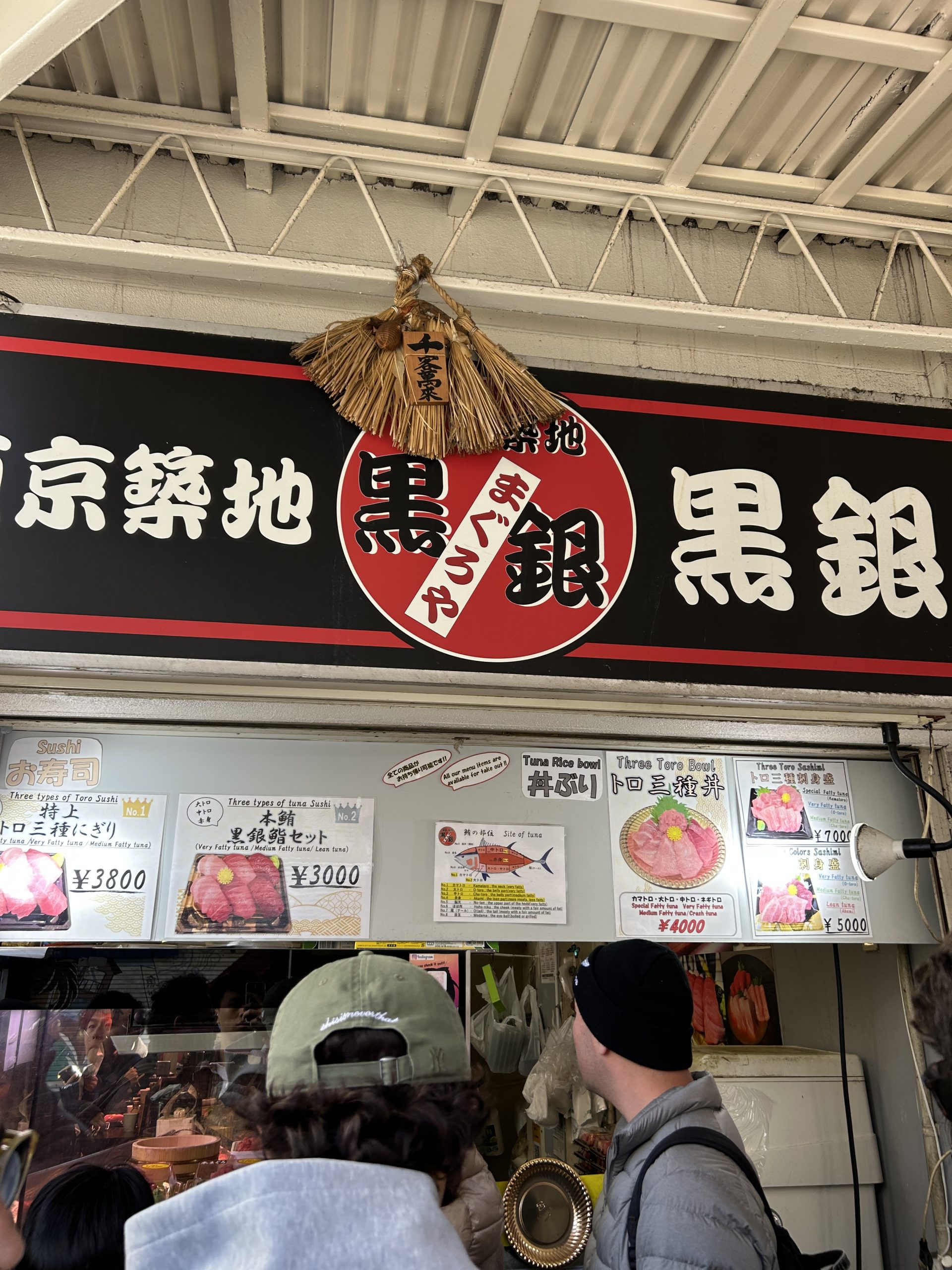
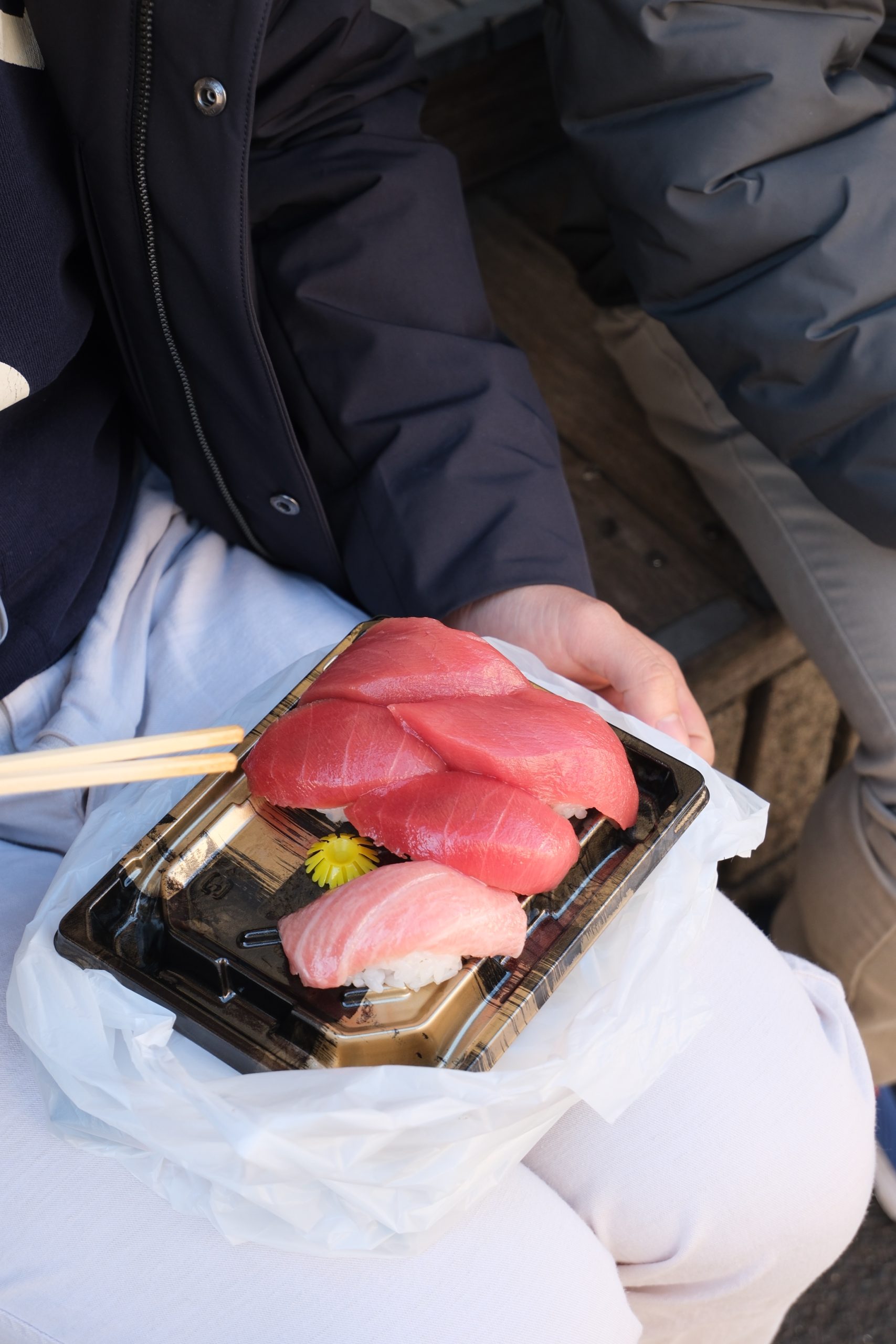
Maguroya Kurogin
This is the definitive destination for tuna within Tsukiji Market. While Maguroya Kurogin has received significant social media attention over the years, the quality consistently justifies both the price and the inevitable queue. For those visiting Tokyo for the first time, it remains a quintessential experience. We found the tuna to be among the best we’ve encountered, particularly the fatty otoro cuts. If you are looking for the “gold standard” market sushi experience, the line here is worth the time investment.
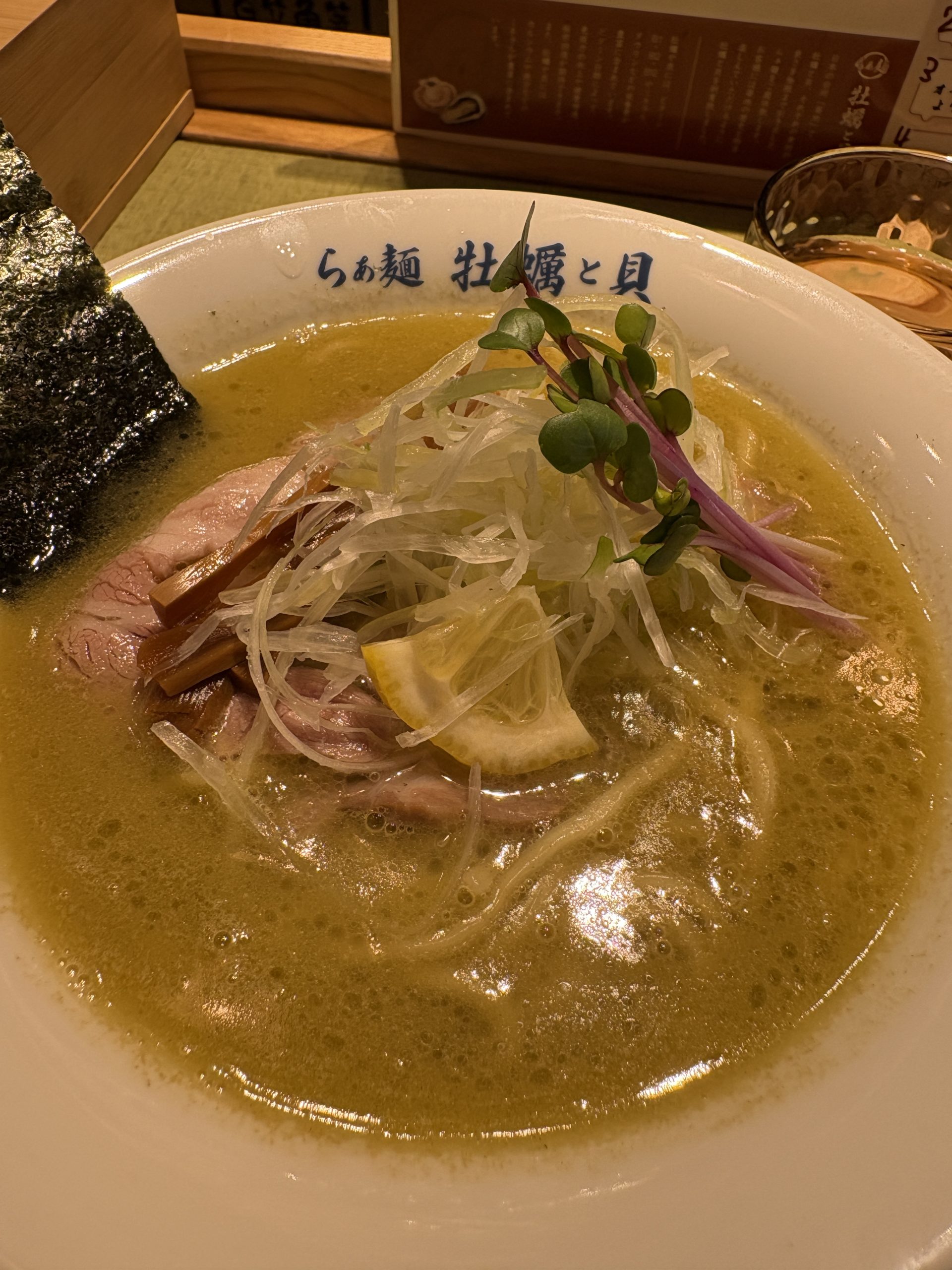
Ramen Oyster and Shell
The rich oyster soup base sets this ramen shop apart. Near Tsukiji Market, it’s perfectly positioned for a meal after exploring the market. The oyster broth significantly elevated the ramen experience beyond standard shops.
Yakiniku Barbies
This specialist yakiniku restaurant serves premium cuts of marbled beef in a modern, relaxed setting. We ordered the assorted kimchi and wagyu toro sushi to start, which provided a sharp, acidic balance to the richness of our main platter of beef tongue, short ribs, and sirloin.
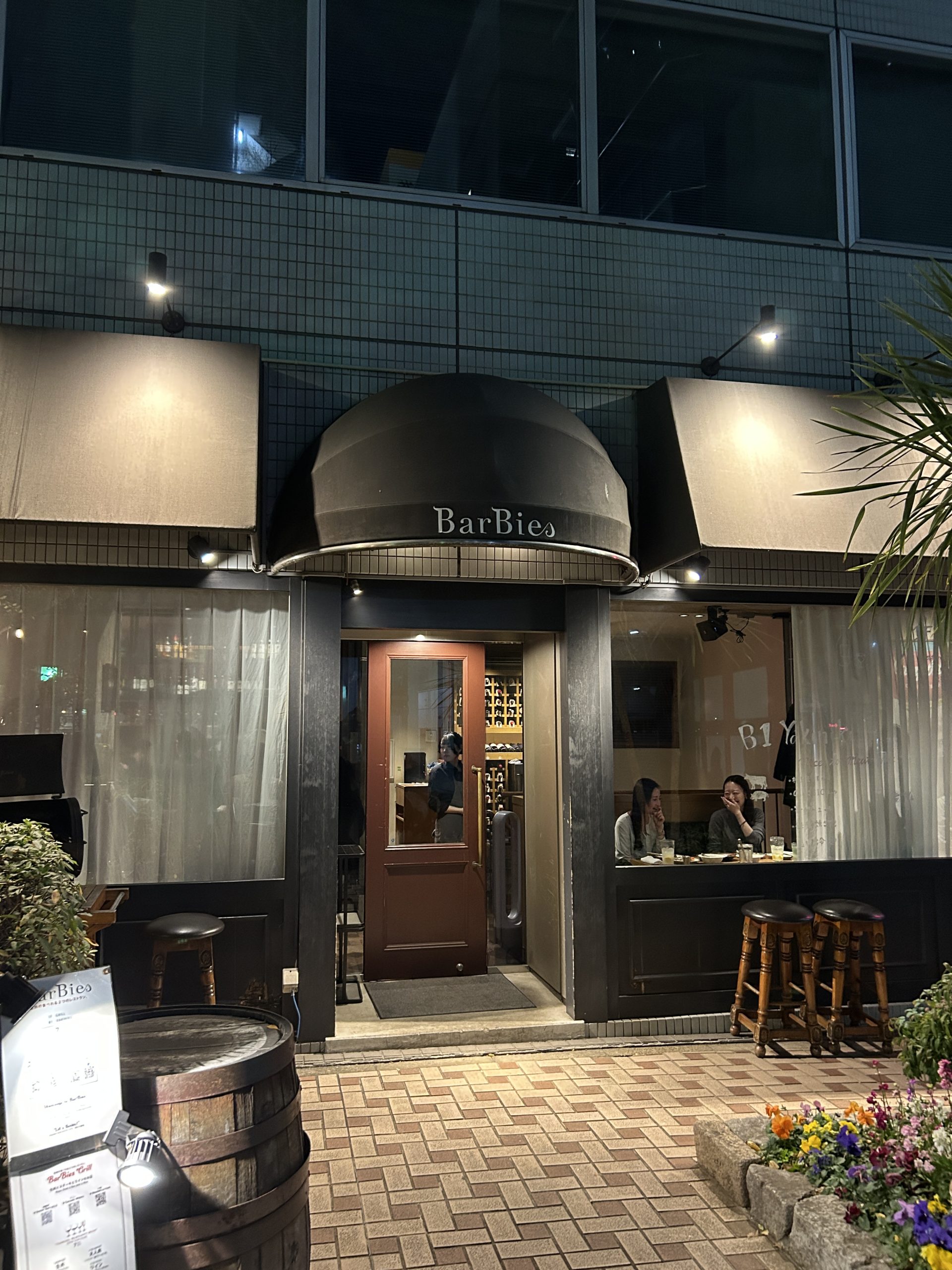
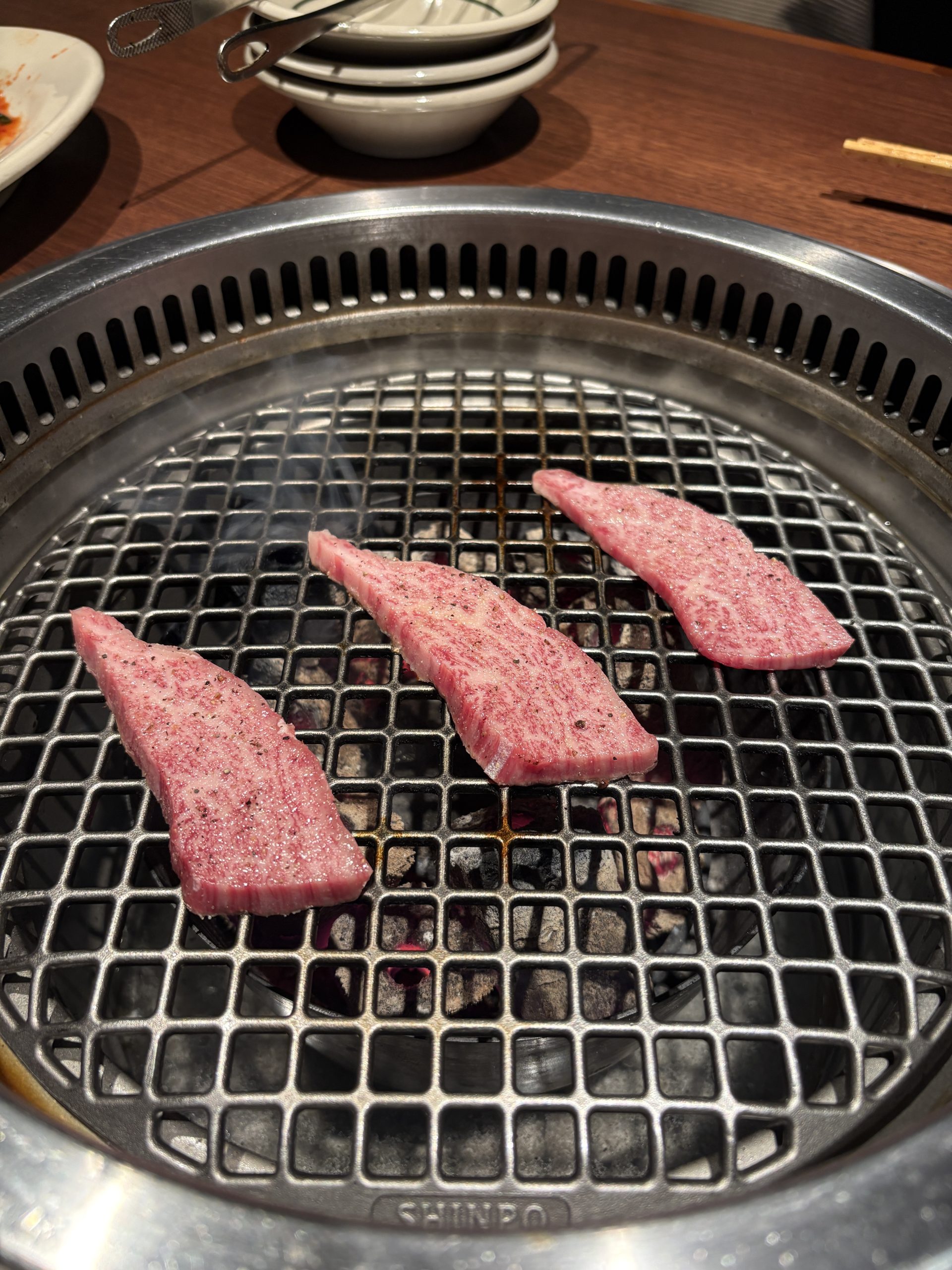
The meat quality was exceptional and the experience was a standout. For high-quality wagyu in Tokyo, this is a location we would certainly consider for a return visit.
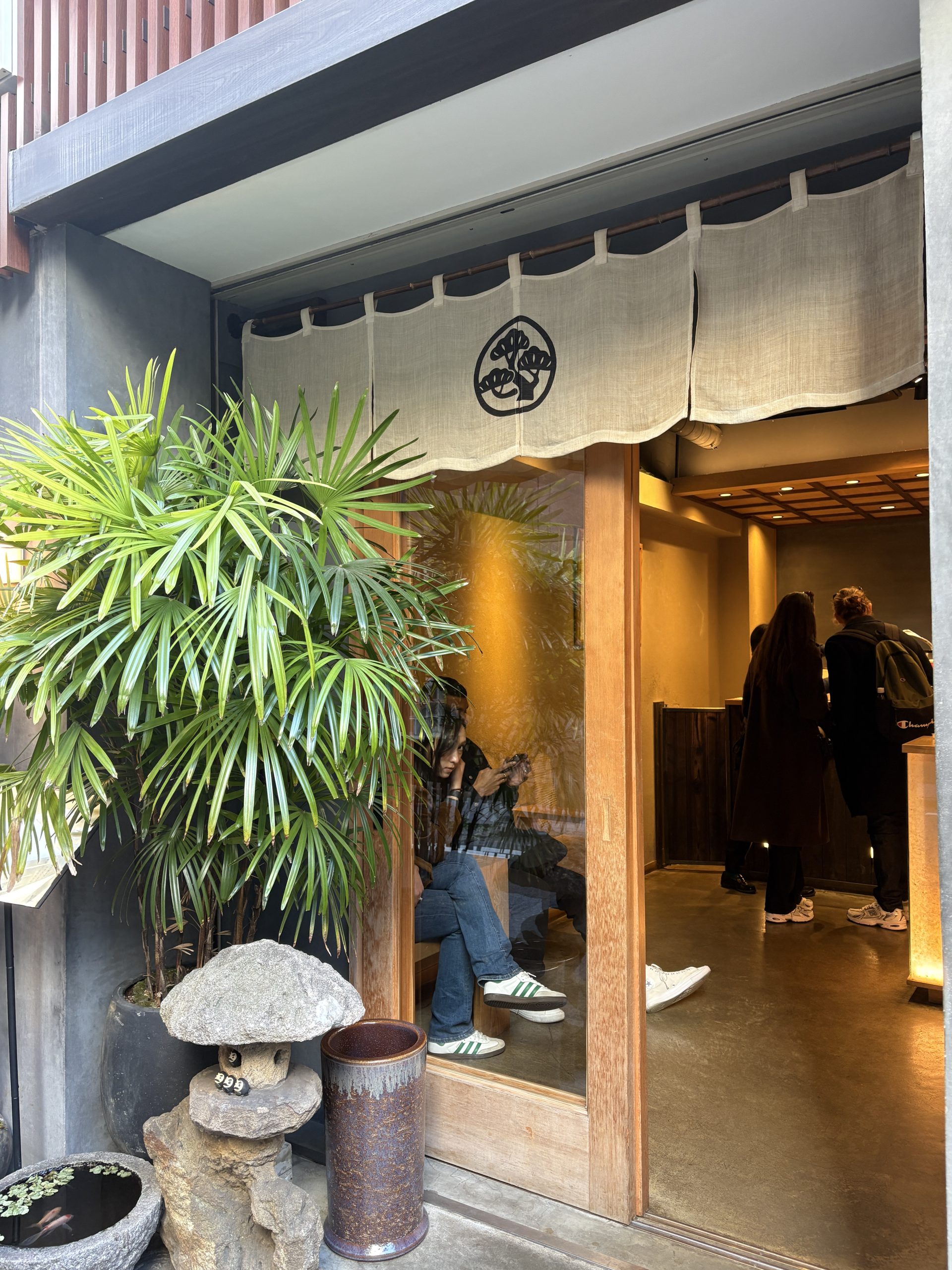
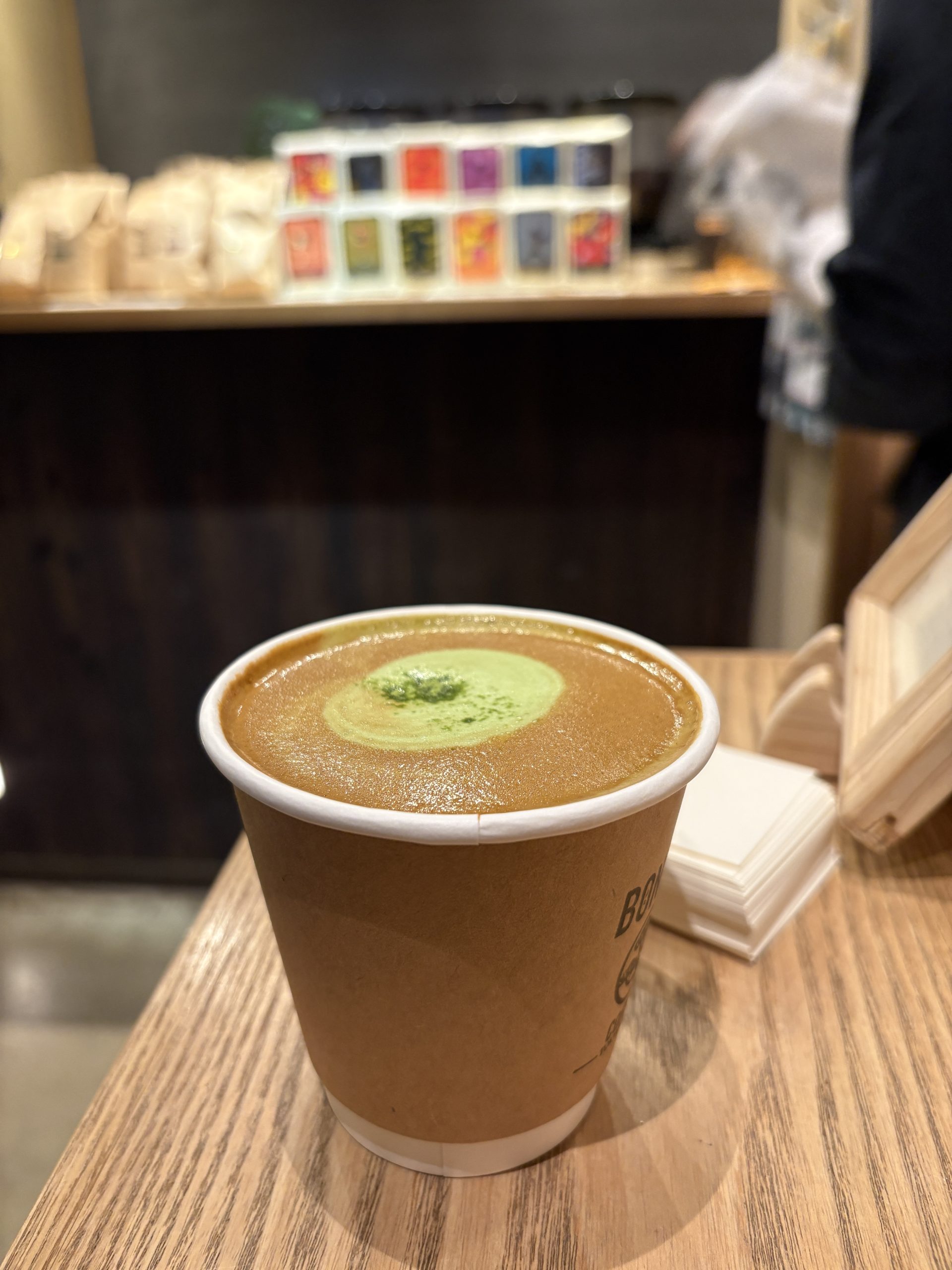
BONGENCOFFEE
This viral cafe is known for its signature matcha espresso, a unique layered drink that bridges the gap between traditional tea and coffee. From our experience, the hot version is the better choice, as the heat allows the espresso and matcha to blend more seamlessly. For those who prefer to skip coffee entirely, the classic matcha latte is a reliable alternative.
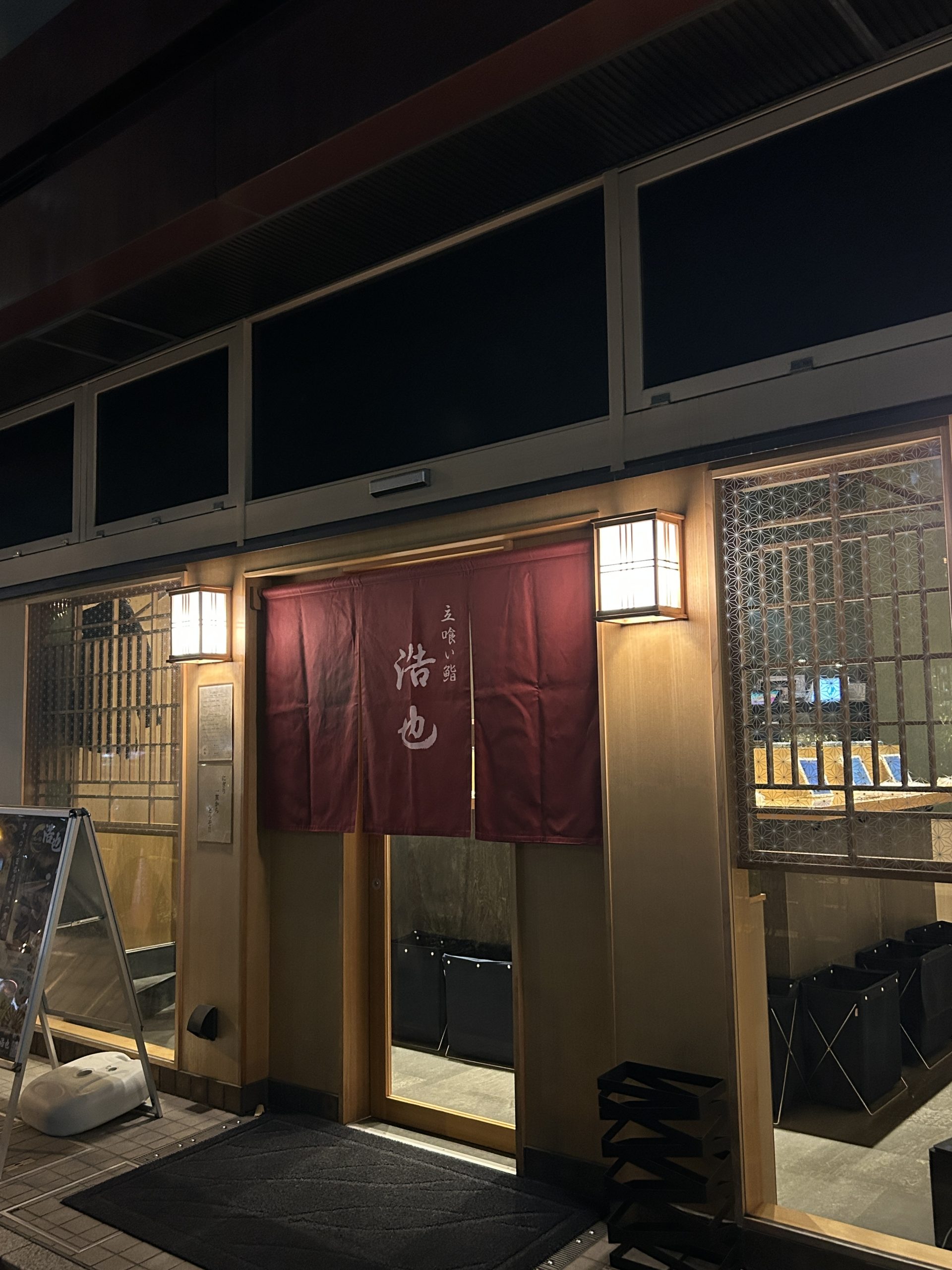
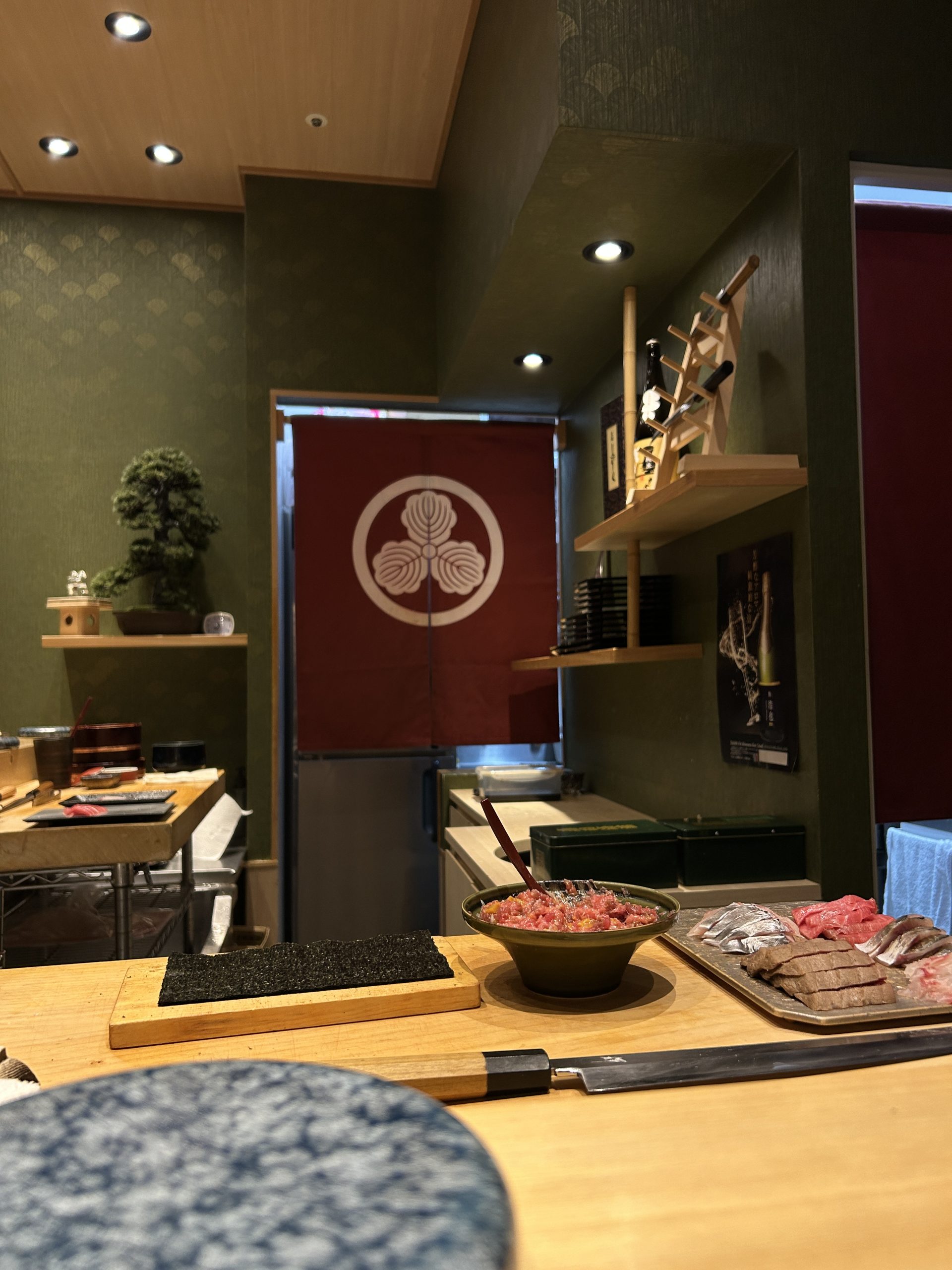
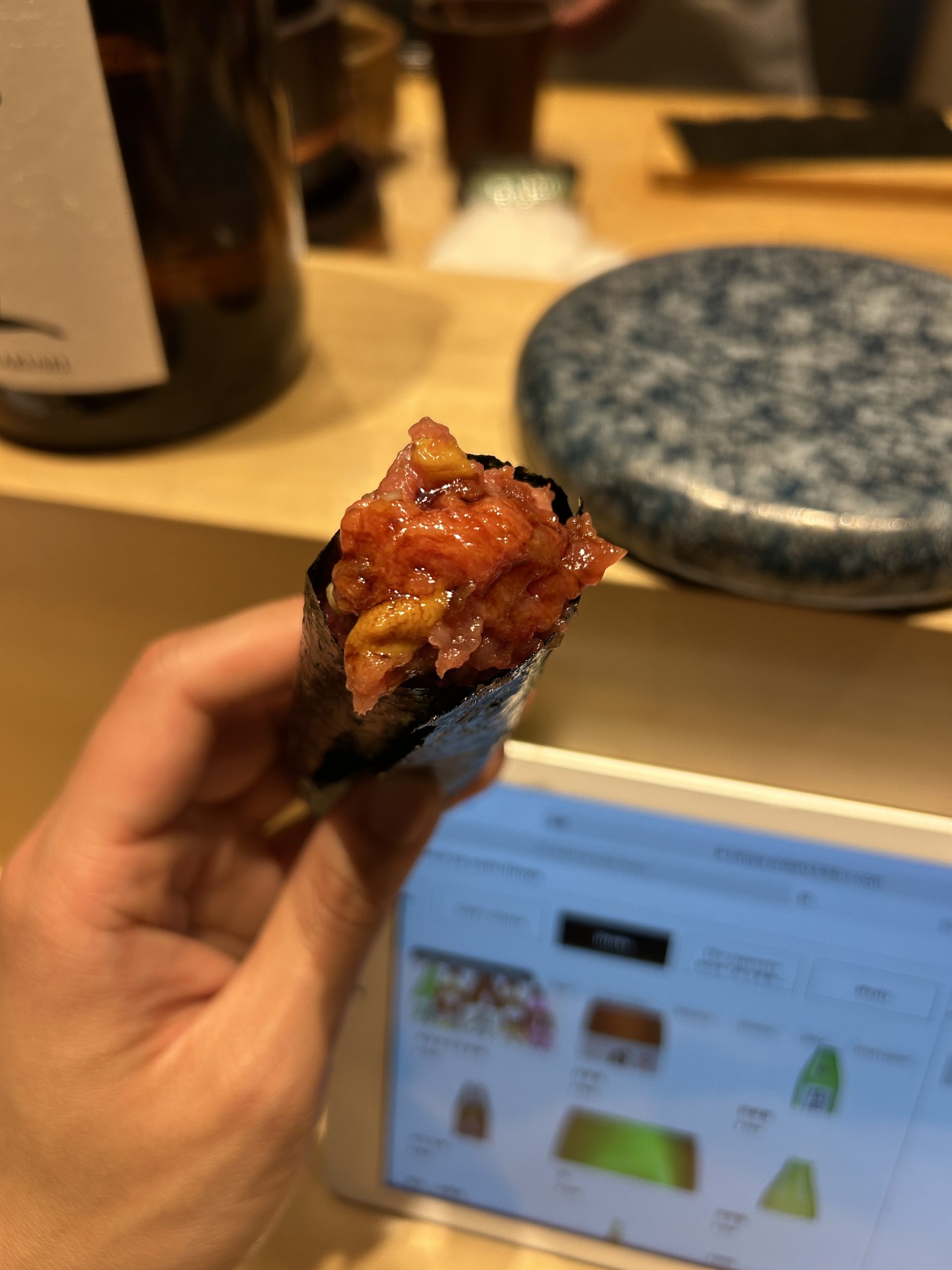
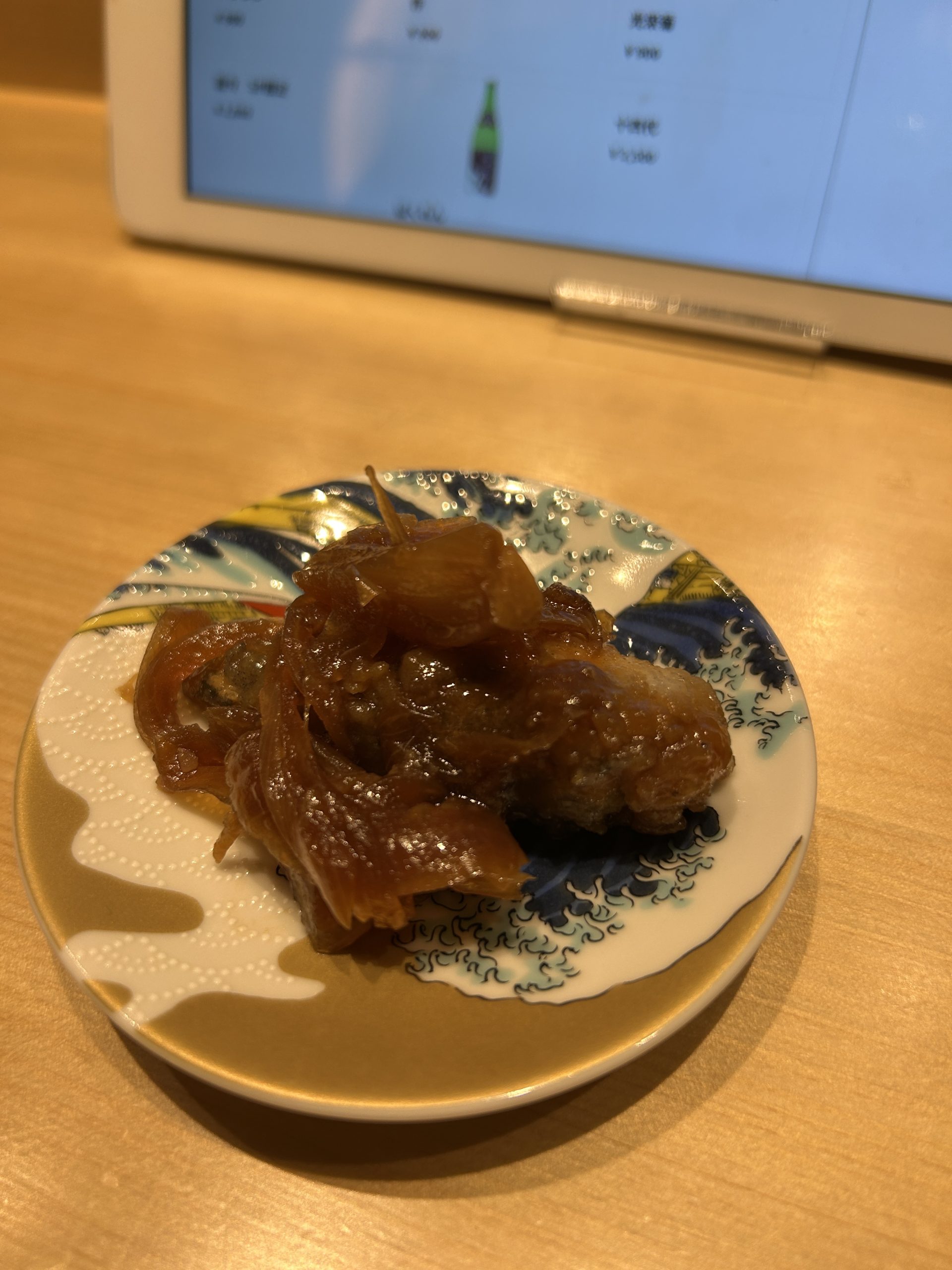
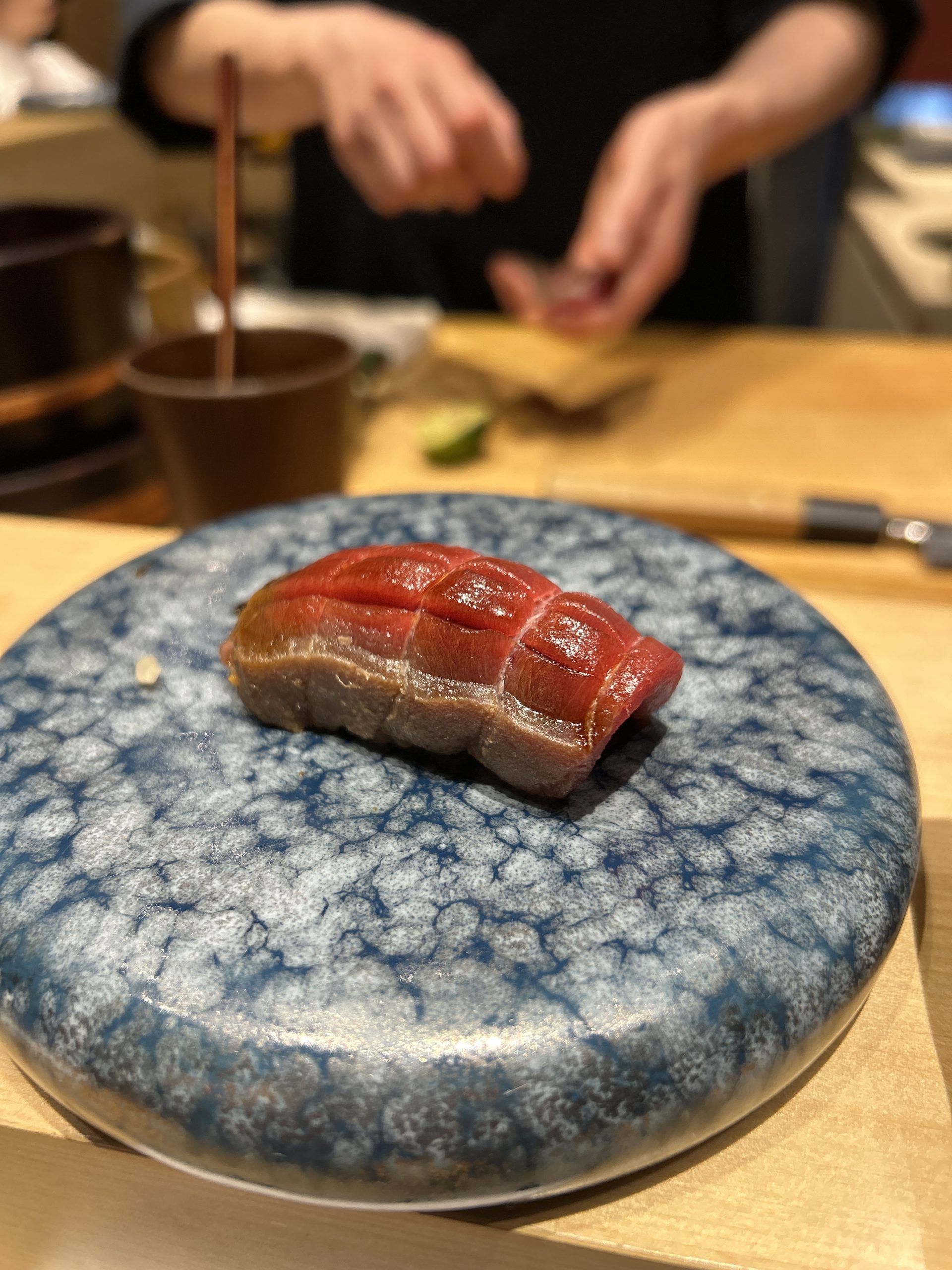
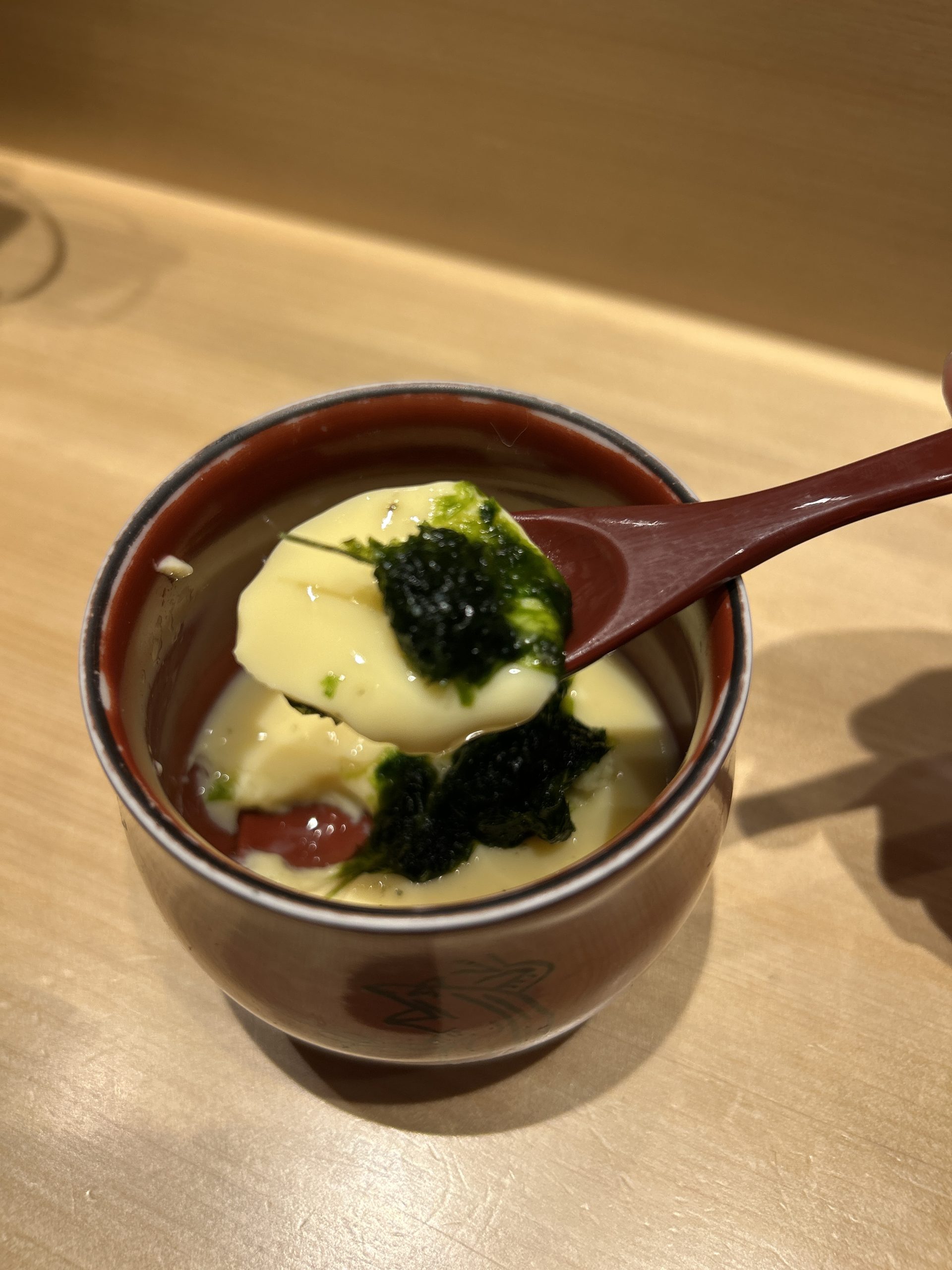
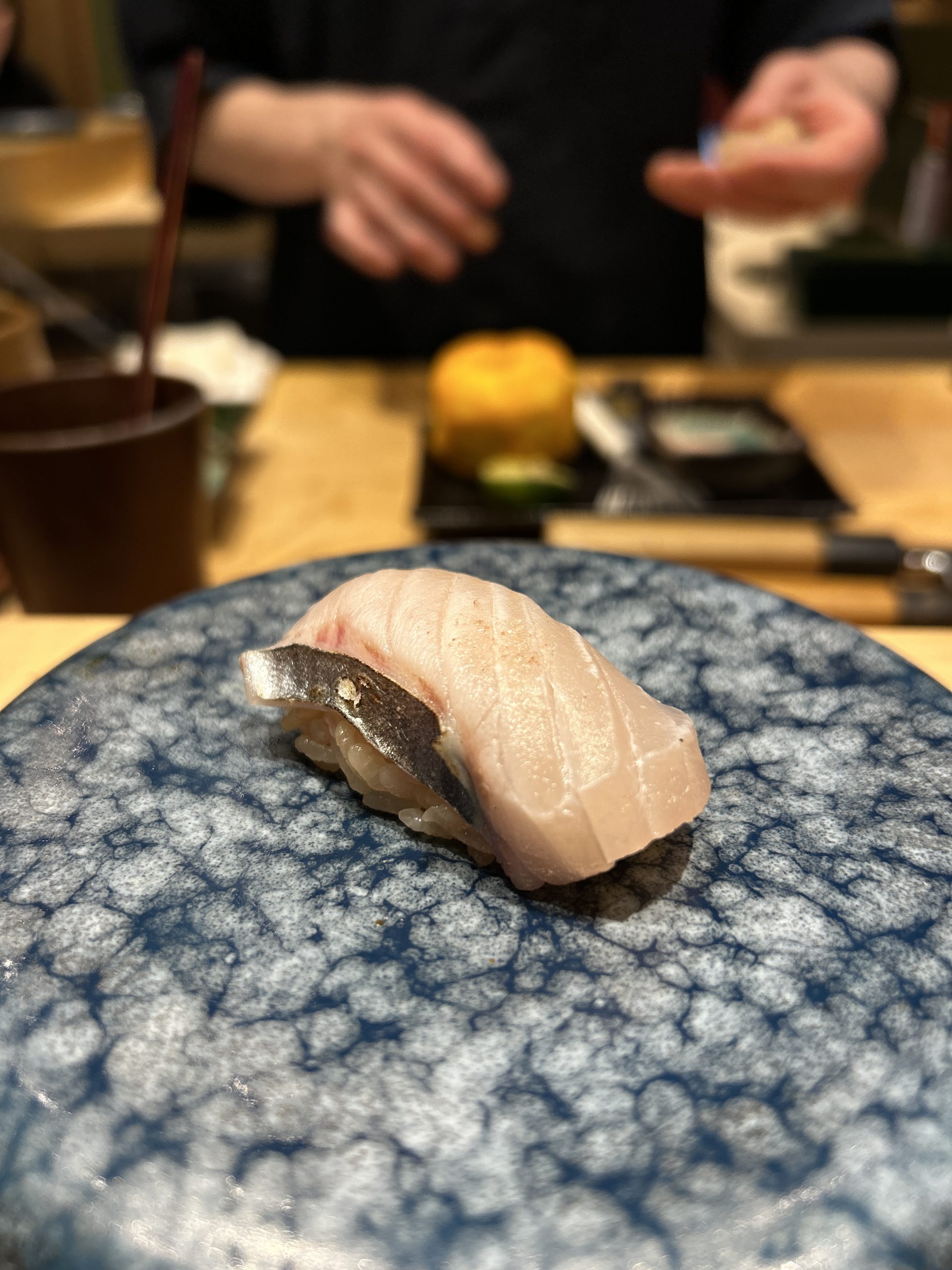
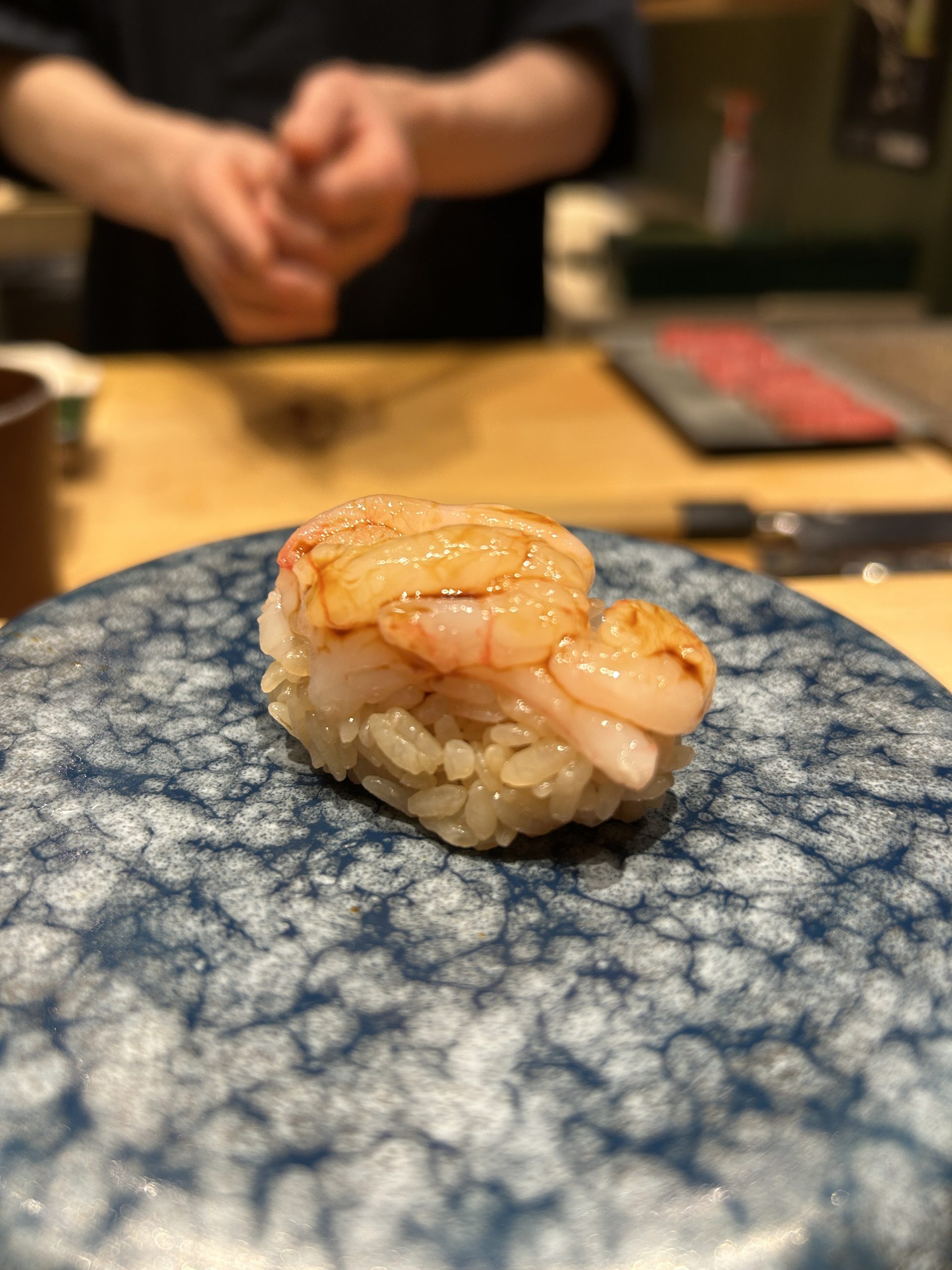
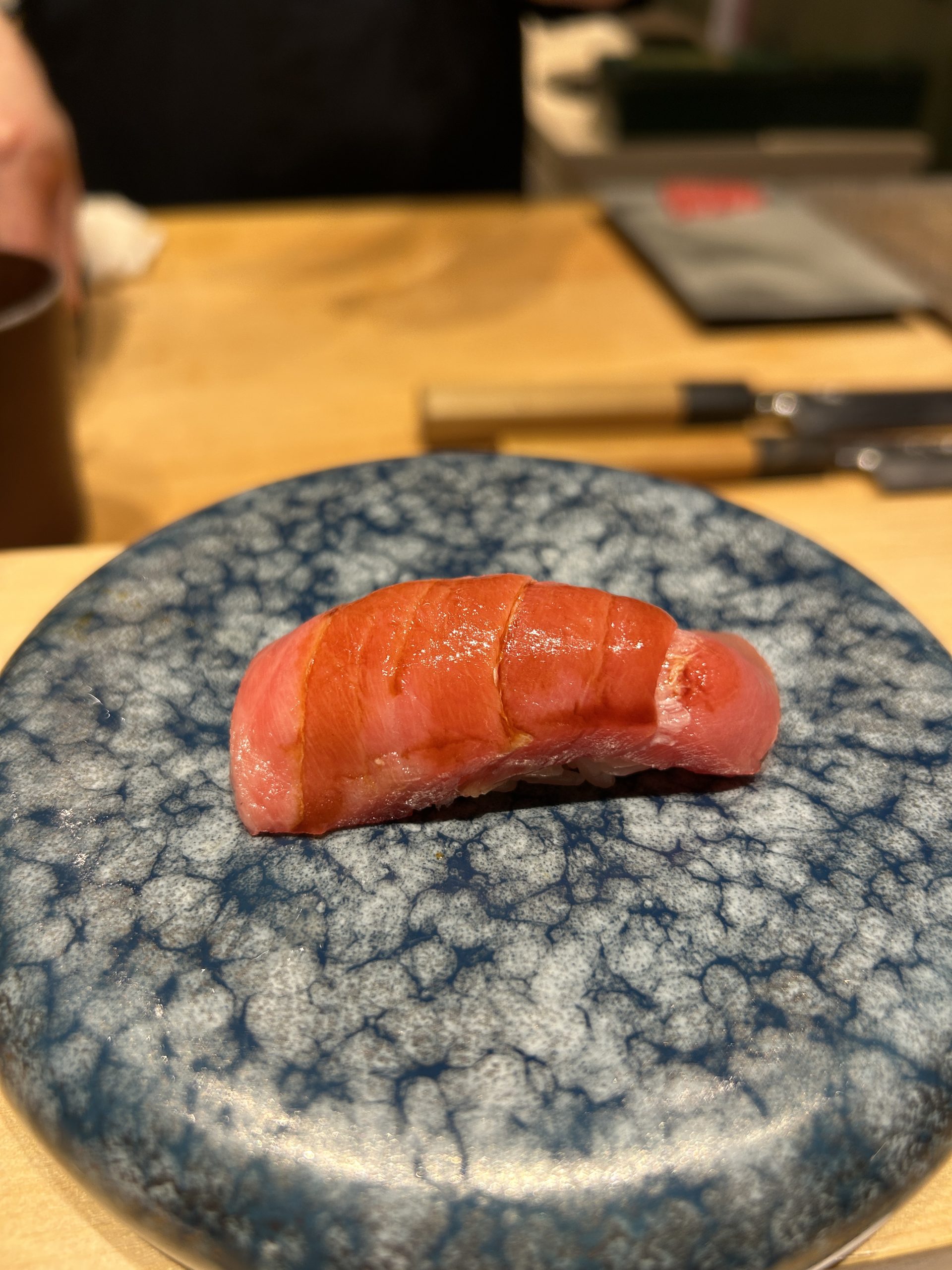
Standing Sushi Hiroya
For those seeking a high-end sushi experience, this Minato City gem is a top recommendation. We visited based on a tip from a friend who runs luxury food tours in the city, and it exceeded every expectation.
The special omakase course, priced at ¥8,500 per person including tax, is an incredible value for the quality provided. The chef was engaging and walked us through the nuances of every piece, making the meal feel educational rather than just transactional. It was easily the standout sushi meal of our trip. Because of the limited seating and growing reputation, reservations are essential. Book well in advance.
Practical Tips
- Ideal Travel Length
Five days in Tokyo is the sweet spot. It provides enough time to cover major attractions without rushing, while allowing for spontaneous discoveries.
- Money-Saving Tips
Use Klook to book tickets in Japan. Every ticket we found there was cheaper than buying directly from official websites, and most deals are only available through the app, not the website. When we booked teamLab Borderless individually, each person got a free 5GB eSIM, which came in handy for staying connected.
Final Thoughts
Tokyo truly deserves all the hype it gets. It’s a city full of tradition and culture that people from around the world can learn about and experience. Although at first glance Tokyo always seems busy and lively, there are also areas where you can escape that loudness and find peace. This blend of energy and tranquility gives Tokyo a unique edge.
The city works for everyone. Culture seekers will find temples and museums. Food lovers will eat better here than almost anywhere else. Shoppers have everything from vintage markets to twelve-story stationary stores. Five days is enough time to see Tokyo’s range without feeling rushed.
Stay tuned for more trip reports, reviews, and tips by following us on Instagram!
Share this story
Comments
 GuidesDay Trip to Liverpool from Manchester: The Beatles Tour, Liverpool Match & MoreJune 18, 2026 · 13 min read
 Guides2 Days in Manchester: A First-Timer’s Itinerary Best Things to Do, Eat, and SeeMay 27, 2026 · 18 min read
 GuidesValencia 3 Days Itinerary: Best Things to Do, Eat, and SeeSeptember 9, 2025 · 10 min read